




TEAD4 gene: a potential new target in melanoma treatment


the TEAD4 gene plays an important role in the occurrence and development of melanoma. By in-depth research on its mechanism of action and developing corresponding targeted treatment strategies, we are expected to provide more effective treatment options for melanoma patients and contribute new strength to defeating this stubborn disease.
- Recent Advances
- Product Information
TEAD4 gene: a potential new target in melanoma treatment
Melanoma is a malignant tumor derived from melanocytes in the skin. Due to its high invasiveness and metastasis, it often makes patients and doctors feel stressed. With the deepening of molecular biology research, scientists have found that certain genes play a key role in the occurrence and development of melanoma. Among them, the TEAD4 gene, as a core factor in the Hippo signaling pathway, has gradually become a hot topic in melanoma research. This article will take you to understand the role of the TEAD4 gene in melanoma and its potential therapeutic value.
Hippo signaling pathway and melanoma
The Hippo signaling pathway is an important pathway that regulates cell proliferation, apoptosis and organ size. This pathway is like a "commander" of cells, controlling cell fate through a series of enzymatic reactions. When the pathway functions normally, it can inhibit excessive cell proliferation and promote cell apoptosis, thereby maintaining the normal growth of tissues and organs. However, when the Hippo signaling pathway is abnormal, the balance between cell proliferation and apoptosis is broken, which may lead to the occurrence of tumors.
In the Hippo signaling pathway, YAP and TAZ are two important downstream effector molecules. When they are activated, they bind to the transcription factors of the TEAD family and regulate the expression of downstream genes, thereby affecting the biological behavior of cells. TEAD4, as an important member of the TEAD family, has attracted much attention in melanoma research in recent years.
Relationship between TEAD4 gene and melanoma
Studies have shown that the TEAD4 gene is highly expressed in melanoma cells and is closely related to the malignancy and prognosis of melanoma. In order to explore the role of the TEAD4 gene in melanoma, scientists used RNA interference technology to silence the expression of the TEAD4 gene through specific siRNA and observe its effects on melanoma cell proliferation, cycle and apoptosis.
In the experiment, scientists divided human melanoma A375 cells into four groups: three groups were transfected with TEAD4 s
iRNA of different sequences (TEAD4-1 group, TEAD4-2 group, TEAD4-3 group), and the other group was used as a control (MOCK group). The results showed that the expression of TEAD4 gene was significantly reduced in cells transfected with TEAD4-2 siRNA, and the proliferation ability of this group of cells was significantly weakened, the cell cycle was blocked in the G0/G1 phase, and the cell apoptosis rate was significantly increased.
These results show that the TEAD4 gene plays a role in promoting proliferation and inhibiting apoptosis in melanoma cells. When the TEAD4 gene is silenced, the growth of melanoma cells is inhibited, the cell cycle is arrested, and apoptosis increases, thereby inhibiting the progression of the tumor.
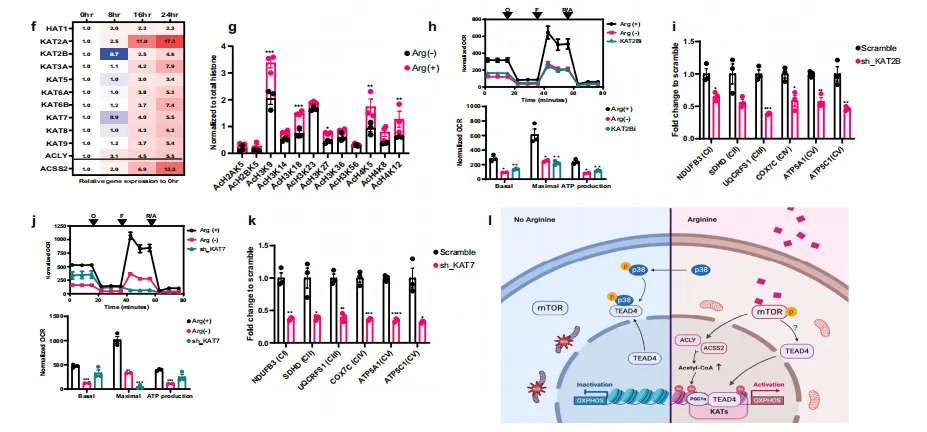
The potential of TEAD4 gene as a therapeutic target
Given the important role of TEAD4 gene in melanoma, scientists have begun to explore it as a new target for melanoma treatment. By specifically inhibiting the expression of TEAD4 gene, the interaction between YAP/TAZ-TEAD4 in the Hippo signaling pathway can be blocked, thereby inhibiting the proliferation and metastasis of melanoma cells and promoting cell apoptosis.
Currently, targeted therapeutic strategies for TEAD4 gene are under study. For example, small molecule inhibitors or antisense oligonucleotides that can specifically bind to TEAD4 mRNA are developed to reduce the expression level of TEAD4 gene. In addition, it can also be combined with traditional treatments such as immunotherapy and chemotherapy to form a comprehensive treatment plan to improve the treatment effect of melanoma.
Looking to the future
With the continuous development of molecular biology and gene editing technology, we will have a deeper understanding of the mechanism of action of the TEAD4 gene in melanoma. In the future, the TEAD4 gene is expected to become a new target for melanoma treatment, bringing new hope to melanoma patients. By specifically regulating the expression of the TEAD4 gene, we can more accurately attack melanoma cells, reduce damage to normal cells, and improve the targetedness and effectiveness of treatment.
In short, the TEAD4 gene plays an important role in the occurrence and development of melanoma. By in-depth research on its mechanism of action and developing corresponding targeted treatment strategies, we are expected to provide more effective treatment options for melanoma patients and contribute new strength to defeating this stubborn disease.
This article is reviewed and published by the technical expert team of UA
Disclaimer: This article partially utilizes artificial intelligence assistance in its creation. If any content involves copyright or intellectual property issues, please let us know and we promise to verify and remove it as soon as possible.
Purchase recombinant protein, choose Nanjing UA-Bio
UA protein focuses on providing various protein reagents, raw materials, and services required for drug research and development, cell therapy, gene therapy, and basic scientific research, including drug target proteins, immune checkpoint proteins, cytokines, tool enzymes, customized protein expression, and full-length transmembrane protein development. Youai is committed to providing customers with high-quality products and professional services, and building a High-tech Biological Enterprise with International Competitiveness.







 Business license (three certificates in one)