




"Invisible disruptors" in tumor immunotherapy: soluble target proteins


The role of soluble target proteins in tumor immunotherapy is complex. They are both "interferers" of treatment and "helpers" of diagnosis and treatment. By gaining a deeper understanding of the biological properties of soluble target proteins and their interactions with drugs, we can better optimize treatment strategies and improve treatment outcomes.
- Recent Advances
"Invisible disruptors" in tumor immunotherapy: soluble target proteins
In the battlefield of tumor immunotherapy, the game between the immune system and tumor cells is like a carefully laid out chess game. The core of immunotherapy is to use the body's own immune system to identify and attack tumor cells, and target proteins are the key "bull's eye" in this battle. However, the soluble forms of these target proteins may become "invisible disruptors" of immunotherapy, affecting the treatment effect.
"Double-edged sword" effect of soluble target proteins
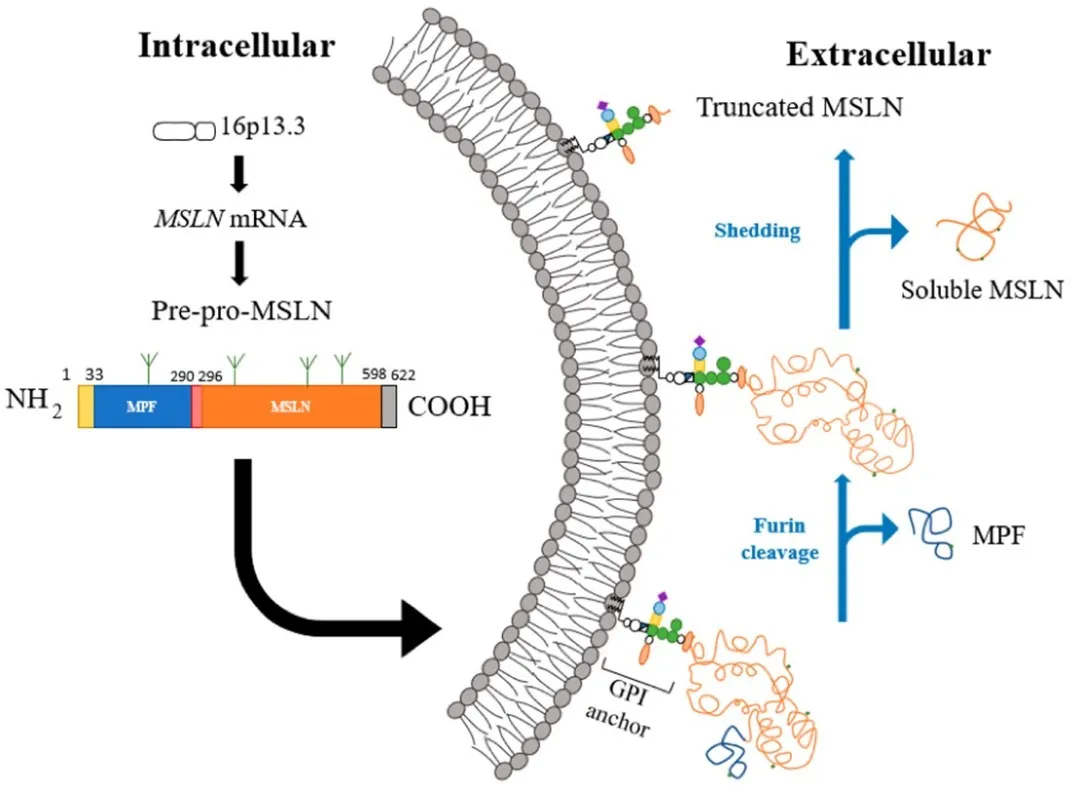
Target proteins such as TROP2, Mesothelin (MSLN), BCMA, PD-1 and PD-L1, etc., are enzymatically released and enter the blood circulation after being expressed on the surface of tumor cells to form soluble target proteins. Taking MSLN as an example, this protein is anchored to the cell membrane through glycosylphosphatidylinositol (GPI), but under the action of Furin enzyme, the precursor of MSLN is cut and soluble MSLN is released. These soluble target proteins wander in the blood and may bind to therapeutic antibodies, thereby neutralizing the effectiveness of the antibodies. The long-term presence of soluble target proteins may also make the immune system tolerant to them, reducing the durability of treatment.
Strategies: Multi-pronged approach to break through the dilemma
In order to overcome the challenges posed by soluble target proteins, researchers have developed a variety of strategies. First, improve therapeutic antibodies through antibody engineering to increase their affinity for targets and reduce the neutralizing effect of soluble target proteins. Second, adopt a multi-target treatment strategy to target multiple targets at the same time and reduce dependence on a single target protein. In addition, the use of immunomodulators can reduce the immune system's tolerance to soluble target proteins. Finally, by regularly monitoring the level of soluble target proteins in the patient's blood, adjust the treatment plan to ensure the effectiveness of the treatment.
"New Star" of Diagnosis and Treatment: Soluble Target Proteins as Biomarkers
Soluble target proteins are not only "interferers" of immunotherapy, they are also of great significance in clinical diagnosis and treatment. First, soluble target proteins can be used as biomarkers for specific diseases to help doctors make early diagnoses, monitor disease progression, and evaluate treatment effects. For example, MSLN is overexpressed in a variety of tumors, and the level of its soluble form in the blood can be used as an indicator of disease progression. Second, changes in soluble target proteins can reflect treatment responses, and their levels may decrease if the treatment is effective. In addition, these proteins can also provide a basis for individualized treatment, helping doctors adjust treatment plans according to the specific conditions of the patient.
R&D support: Precision detection helps drug development
In order to support research related to tumor treatment, Nanjing Youai provides a series of soluble target protein detection kits, including MSLN, TROP2, DLL4, NKp46/NCR1, BCMA, etc. These kits have been strictly accepted and quality controlled. They can ensure the accuracy, stability and consistency of the analysis results, providing strong support for drug development.
Conclusion: The future of precision medicine
The role of soluble target proteins in tumor immunotherapy is complex. They are both "interferers" of treatment and "helpers" of diagnosis and treatment. By gaining a deeper understanding of the biological properties of soluble target proteins and their interactions with drugs, we can better optimize treatment strategies and improve treatment outcomes. In the future, with the development of precision medicine, soluble target proteins are expected to become an important basis for personalized treatment, bringing more hope to cancer patients.
This article is reviewed and published by the technical expert team of UA
Disclaimer: This article partially utilizes artificial intelligence assistance in its creation. If any content involves copyright or intellectual property issues, please let us know and we promise to verify and remove it as soon as possible.
Purchase recombinant protein, choose Nanjing UA-Bio
UA protein focuses on providing various protein reagents, raw materials, and services required for drug research and development, cell therapy, gene therapy, and basic scientific research, including drug target proteins, immune checkpoint proteins, cytokines, tool enzymes, customized protein expression, and full-length transmembrane protein development. Youai is committed to providing customers with high-quality products and professional services, and building a High-tech Biological Enterprise with International Competitiveness.







 Business license (three certificates in one)