




Transmembrane proteins: "gatekeepers" and "signal soldiers" on the cell membrane


Transmembrane proteins (TP) are a class of proteins that are widely present in organisms and can cross the cell membrane once or multiple times. They play a vital role in the structure and function of the cell membrane and are key molecules for intracellular and extracellular material transport, signal transduction and cell recognition.
- Recent Advances
- Product Information
Transmembrane proteins: "gatekeepers" and "signal soldiers" on the cell membrane
Transmembrane proteins (TP) are a class of proteins that are widely present in organisms and can cross the cell membrane once or multiple times. They play a vital role in the structure and function of the cell membrane and are key molecules for intracellular and extracellular material transport, signal transduction and cell recognition.
Structure and function of transmembrane proteins
Transmembrane proteins usually contain hydrophobic transmembrane regions and hydrophilic intracellular and extracellular regions. The transmembrane region is composed of hydrophobic amino acids and usually forms an α-helical structure to stably embed in the phospholipid bilayer. According to the number and arrangement of transmembrane regions, transmembrane proteins can be divided into single-pass transmembrane proteins and multiple-pass transmembrane proteins. For example, G protein-coupled receptors (GPCRs) are typical multiple-pass transmembrane proteins that play an important role in cell signal transduction.
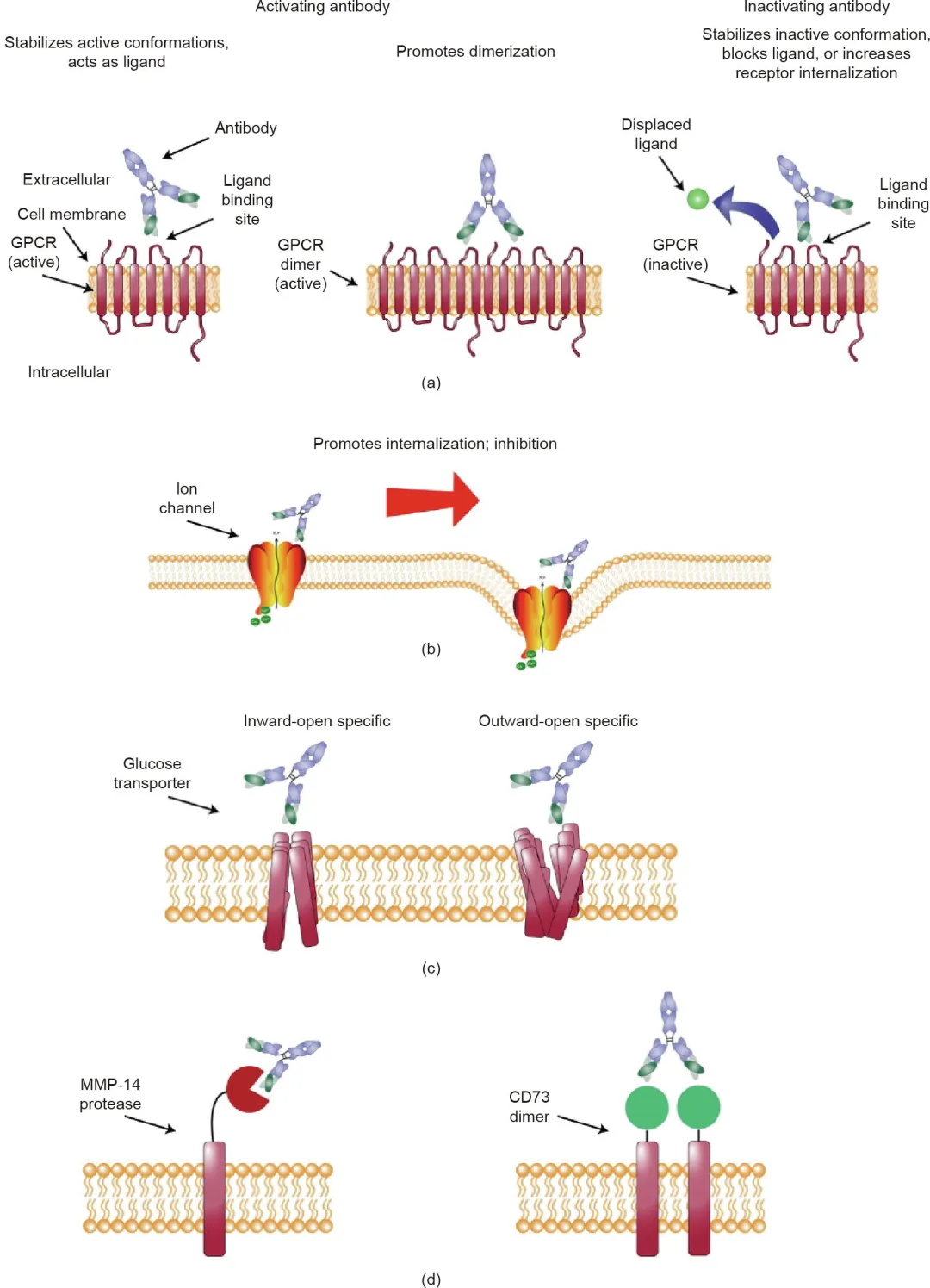
The functions of transmembrane proteins are diverse, mainly including the following aspects:
1. Material transport: Transmembrane proteins can act as channels or carriers to help ions, nutrients and wastes pass through the cell membrane. For example, sodium potassium pump (Na⁺/K⁺-ATPase) and glucose transporter (GLUT).
2. Signal transduction: transmembrane proteins act as receptors, receiving external signals and transmitting them to the interior of the cell. For example, epidermal growth factor receptor (EGFR).
3. Cell recognition and adhesion: transmembrane proteins are involved in cell-to-cell recognition and adhesion, maintaining the structure and function of tissues. For example, cell adhesion molecules (CAMs).
Classification of transmembrane proteins
Based on functional and structural characteristics, transmembrane proteins can be divided into the following categories:
1. Ion channels: allow specific ions to pass through the cell membrane, such as sodium ion channels (Na⁺ channels).
2. Carrier proteins: transport molecules through conformational changes, such as glucose transporters (GLUT).
3. Receptors: bind specific ligands and initiate cell signaling, such as G protein-coupled receptors (GPCRs).
4. Enzymes: catalyze reactions on the membrane, such as adenylate cyclase.
Transmembrane proteins as drug targets
Transmembrane proteins are currently the most important drug targets, accounting for more than 60% of the known drug targets at this stage, and for antibody drug targets, membrane proteins account for almost more than 90%. They are involved in regulating many important cell biological effects, and their dysfunction is related to a variety of diseases. Therefore, drugs developed with transmembrane proteins as targets have unique advantages in treating and preventing related diseases.
Antibodies target different types of transmembrane proteins with different mechanisms of action. For example, antibodies can transmit signals by activating or inhibiting G protein-coupled receptors (GPCRs), or they can inhibit their functions by promoting the internalization of transmembrane proteins or stabilizing their inactive conformations.
Technical difficulties in the development of multiple transmembrane proteins
The development of multiple transmembrane proteins faces many technical difficulties:
1. Low expression: Multiple transmembrane proteins are usually expressed at low levels and need to be embedded in the cell membrane phospholipid bilayer to exert their normal functions, while overexpressed transmembrane proteins are harmful to cells.
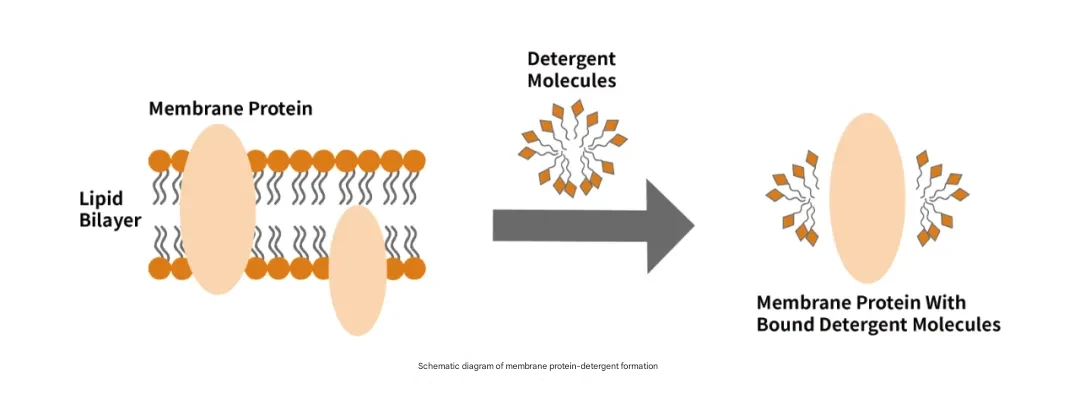
2. Difficulty in purification: Multi-transmembrane proteins have hydrophobic domains, and their solubility in solution is often low. They are prone to aggregation and loss of activity, which increases the difficulty of extraction and purification.
3. Complex structure: Multi-transmembrane proteins have complex structures, including multiple transmembrane regions, ring structures, and glycosylation modifications, which increase the difficulty of preparing transmembrane proteins.
Conclusion
Transmembrane proteins play an indispensable role in the physiological processes of cells and are also important targets for drug development. Although the development of multi-transmembrane proteins faces many challenges, scientists are constantly overcoming these difficulties through advanced technology platforms, opening up new paths for disease treatment and drug development.
This article is reviewed and published by the technical expert team of UA
Disclaimer: This article partially utilizes artificial intelligence assistance in its creation. If any content involves copyright or intellectual property issues, please let us know and we promise to verify and remove it as soon as possible.
Purchase recombinant protein, choose Nanjing UA-Bio
UA protein focuses on providing various protein reagents, raw materials, and services required for drug research and development, cell therapy, gene therapy, and basic scientific research, including drug target proteins, immune checkpoint proteins, cytokines, tool enzymes, customized protein expression, and full-length transmembrane protein development. Youai is committed to providing customers with high-quality products and professional services, and building a High-tech Biological Enterprise with International Competitiveness.







 Business license (three certificates in one)