




Development of multi-pass transmembrane proteins: from technical challenges to innovative breakthroughs


In the biomedical field, transmembrane proteins (MPs) are an indispensable component of the cell membrane. They play an important role in key physiological processes such as material transport, signal transduction and intercellular recognition.
- Recent Advances
- Product Information
Development of multi-pass transmembrane proteins: from technical challenges to innovative breakthroughs
In the biomedical field, transmembrane proteins (MPs) are an indispensable component of the cell membrane. They play an important role in key physiological processes such as material transport, signal transduction and intercellular recognition. About 25% of the proteins in the human genome are membrane proteins, of which transmembrane proteins account for a large part. These proteins are not only potential targets for many diseases, such as cystic fibrosis, atherosclerosis, Parkinson's disease and Alzheimer's disease, but also the most important drug targets at present, accounting for more than 60% of known drug targets. However, drug development for transmembrane proteins faces huge challenges, especially multi-pass transmembrane proteins (MMPs), whose complex structure and function make in vitro preparation and research extremely difficult.
Structure and function of transmembrane proteins
Transmembrane proteins can be divided into single-pass transmembrane proteins and multi-pass transmembrane proteins according to their number of membrane crossings and structural characteristics. Single-pass transmembrane proteins usually pass through the cell membrane through an α-helical structure, mainly playing an anchoring role. Multi-transmembrane proteins contain two or more transmembrane domains, which can form hydrophobic channels and play a transport function. These proteins play a vital role in transmembrane signal transduction, material transport, energy utilization and immune recognition of cells.
Importance of transmembrane proteins as drug targets
Transmembrane proteins are important targets for drug development, especially multi-transmembrane proteins such as G protein-coupled receptors (GPCRs), ion channels and transporters. These proteins are involved in regulating many important cell biological effects, and their dysfunction is associated with a variety of diseases. For example, GPCRs are targets for many drugs, involving multiple organs and tissues. However, due to the structural complexity of transmembrane proteins, especially multi-transmembrane proteins, their drug development faces many challenges.
Technological breakthroughs in the development of multi-transmembrane proteins
In order to overcome these technical difficulties, scientists have developed a variety of innovative technology platforms for the stabilization and preparation of multi-transmembrane proteins:
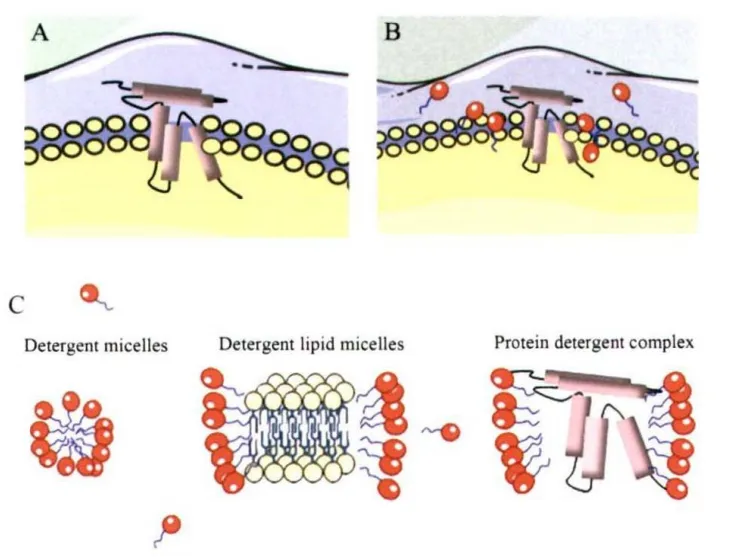
1. Detergent stabilization technology: Transmembrane proteins are stabilized by using detergents to simulate the phospholipid bilayer environment of the cell membrane.
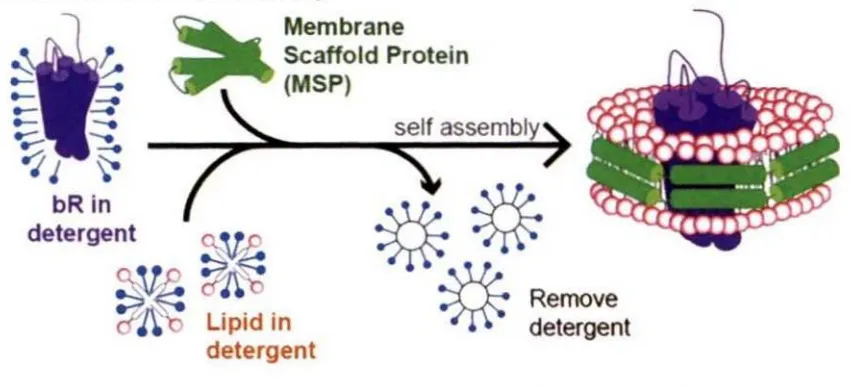
2. Artificial membrane stabilization technology: By constructing artificial membrane structures such as liposomes, bilayers and nanodiscs, a stable local membrane environment is provided for transmembrane proteins.
3. Polymer stabilization technology: Use polymers to stabilize nanoscale lipid discs containing transmembrane proteins, thereby avoiding the use of detergents.
4. Lentiviral vector stabilization technology: Use lentiviral vectors to insert transmembrane protein genes into host cells to obtain transmembrane proteins with high expression levels and activity.

Conclusion
Multiple transmembrane proteins play an important role in drug development, but their complex structure and function make the development process full of challenges. Through innovative technology platforms and methods, scientists are gradually overcoming these difficulties and providing the possibility of developing new drugs targeting transmembrane proteins. These technological breakthroughs not only help improve therapeutic interventions, but also have great significance for promoting broader drug research innovation.
This article is reviewed and published by the technical expert team of UA
Disclaimer: This article partially utilizes artificial intelligence assistance in its creation. If any content involves copyright or intellectual property issues, please let us know and we promise to verify and remove it as soon as possible.
Purchase recombinant protein, choose Nanjing UA-Bio
UA protein focuses on providing various protein reagents, raw materials, and services required for drug research and development, cell therapy, gene therapy, and basic scientific research, including drug target proteins, immune checkpoint proteins, cytokines, tool enzymes, customized protein expression, and full-length transmembrane protein development. Youai is committed to providing customers with high-quality products and professional services, and building a High-tech Biological Enterprise with International Competitiveness.







 Business license (three certificates in one)