




Heparin-binding protein antibody: a "all-rounder" in scientific research


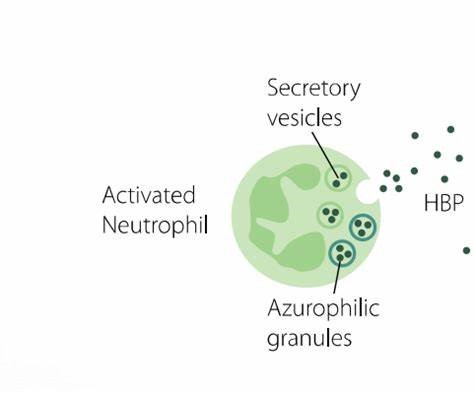
Heparin-binding protein (HBP) is a multifunctional protein secreted by neutrophils. It has attracted much attention due to its important role in immune response, inflammation regulation and coagulation function.
- Recent Advances
- Product Information
Heparin-binding protein antibody: a "all-rounder" in scientific research
Heparin-binding protein (HBP) is a multifunctional protein secreted by neutrophils. It has attracted much attention due to its important role in immune response, inflammation regulation and coagulation function. In recent years, with the in-depth study of HBP function, heparin-binding protein antibody (HBP antibody) has gradually emerged in the field of scientific research and has become an important tool for exploring the function and mechanism of HBP.
Preparation and optimization of HBP antibody
The preparation of HBP antibody is the basis of HBP research. At present, monoclonal antibody technology is the main method for preparing HBP antibodies. Through cell fusion technology, researchers can obtain cell lines that stably secrete HBP antibodies. These antibodies have high specificity and high affinity and can accurately identify HBP molecules. For example, a study screened out antibody pairs with strong binding to HBP through a molecular interaction instrument, and established a HBP detection method based on magnetic microparticle chemiluminescence. This method is not only highly sensitive, but also has good specificity, which provides strong support for the quantitative detection of HBP.
Application of HBP antibodies in HBP functional research
HBP antibodies play a key role in studying the function and mechanism of action of HBP. HBP has multiple biological functions, including antibacterial, chemotactic, regulating inflammatory response and increasing vascular permeability. By using HBP antibodies, researchers can deeply explore the role of HBP in different cell types. For example, HBP antibodies can be used to detect the release of HBP after neutrophil activation and its effect on endothelial cell permeability. In addition, HBP antibodies can also be used to study the signal transduction pathway of HBP in inflammatory response, helping to reveal how HBP regulates the activation and migration of immune cells.
Application of HBP antibodies in HBP detection technology
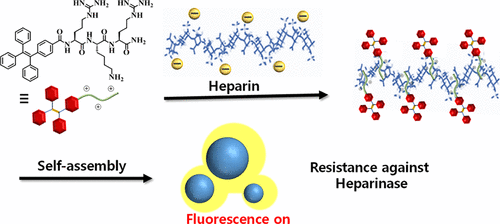
HBP antibodies are the core material for developing HBP detection technology. At present, detection methods based on HBP antibodies include enzyme-linked immunosorbent assay (ELISA), chemiluminescent immunoassay (CLIA), etc. These methods use the specific binding of HBP antibodies to HBP to achieve high-sensitivity detection of HBP. For example, a study has developed a fluorescent biosensor based on HBP antibodies to achieve quantitative analysis of HBP through changes in fluorescent signals. This sensor has a good linear range and low detection limit, providing a new idea for the rapid detection of HBP.
Prospects and challenges of HBP antibodies in scientific research
With the continuous in-depth understanding of the function of HBP, the application prospects of HBP antibodies in scientific research are broad. On the one hand, HBP antibodies will continue to play an important role in the functional research of HBP, helping scientists to further reveal the complex mechanism of HBP in immune response and inflammation. On the other hand, HBP antibodies will also promote the continuous innovation and optimization of HBP detection technology, providing a more powerful tool for early diagnosis and treatment monitoring of diseases.
However, the research on HBP antibodies also faces some challenges. For example, the expression level and function of HBP in different disease states may vary, which requires researchers to develop more accurate HBP antibody detection methods. In addition, the preparation and application costs of HBP antibodies are high, which limits its wide application in some studies.
In short, as a "all-rounder" in scientific research, heparin-binding protein antibodies play an irreplaceable role in the functional research and detection technology development of HBP. With the continuous advancement and innovation of technology, HBP antibodies will show greater value in future scientific research.
This article is reviewed and published by the technical expert team of UA
Disclaimer: This article partially utilizes artificial intelligence assistance in its creation. If any content involves copyright or intellectual property issues, please let us know and we promise to verify and remove it as soon as possible.
Purchase recombinant protein, choose Nanjing UA-Bio
UA protein focuses on providing various protein reagents, raw materials, and services required for drug research and development, cell therapy, gene therapy, and basic scientific research, including drug target proteins, immune checkpoint proteins, cytokines, tool enzymes, customized protein expression, and full-length transmembrane protein development. Youai is committed to providing customers with high-quality products and professional services, and building a High-tech Biological Enterprise with International Competitiveness.







 Business license (three certificates in one)