




Pepsin: the "protein digestion expert" in the human body


In the human digestive system, pepsin is a very important digestive enzyme. It plays a key role in the stomach, helping us break down and digest protein in food. However, in addition to its important role in the digestive process, pepsin and its precursor, pepsinogen (PG), are also widely used in medical diagnosis, especially in the early screening and diagnosis of gastric cancer.
- Recent Advances
- Product Information
Pepsin: the "protein digestion expert" in the human body
In the human digestive system, pepsin is a very important digestive enzyme. It plays a key role in the stomach, helping us break down and digest protein in food. However, in addition to its important role in the digestive process, pepsin and its precursor, pepsinogen (PG), are also widely used in medical diagnosis, especially in the early screening and diagnosis of gastric cancer.
Pepsinogen: the "predecessor" of pepsin
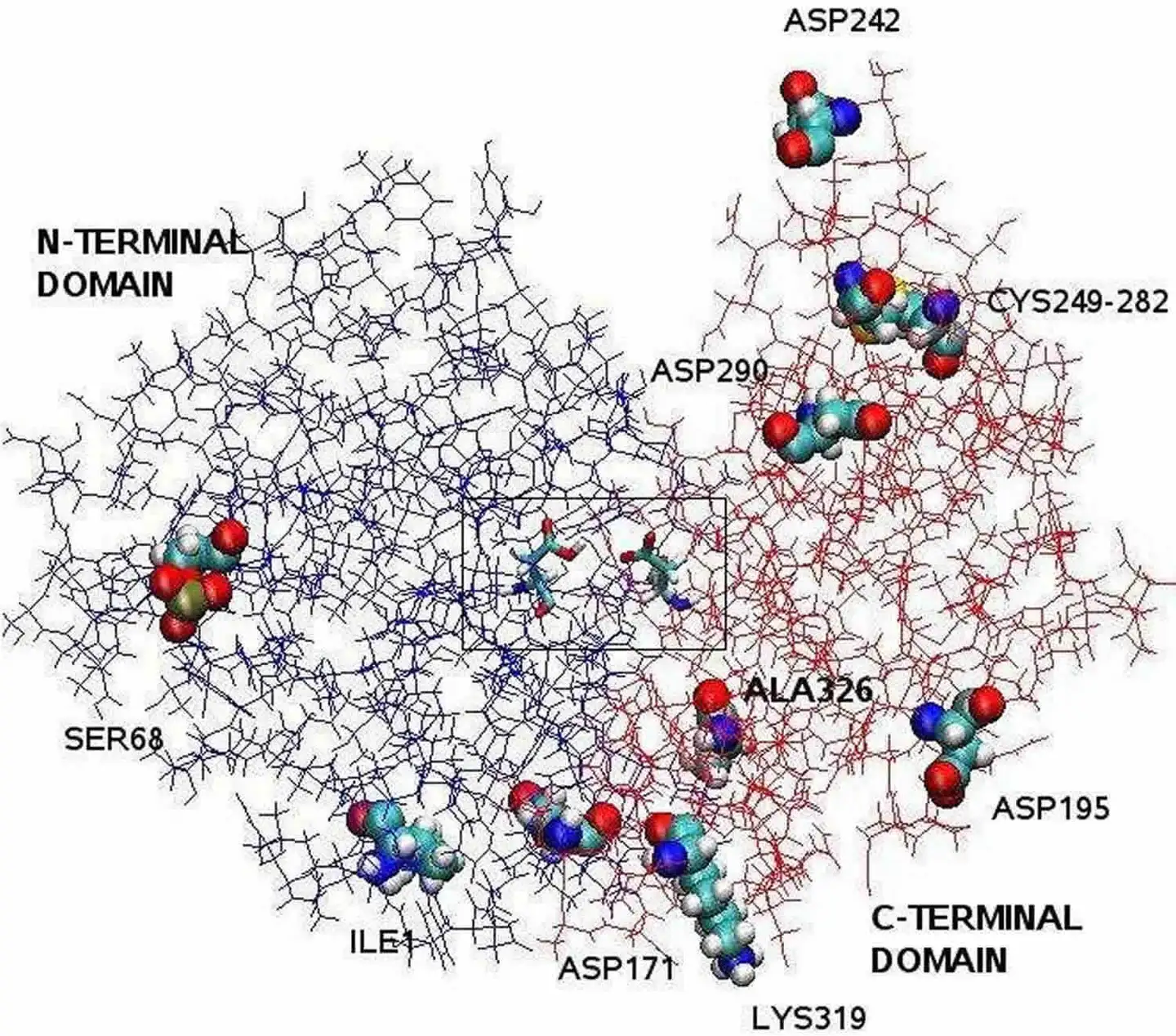
Pepsinogen (PG) is an inactive precursor of pepsin, which is mainly secreted by the chief cells and mucus neck cells of the gastric mucosa. PG is a protein polypeptide chain composed of 375 amino acids with an average relative molecular mass of 42,000. According to biochemical properties, immunogenicity, cell origin and distribution in tissues, PG can be divided into two subgroups: PGⅠ (Pepsinogen A) and PGⅡ (Pepsinogen C). PGⅠ is mainly secreted by the chief cells and mucous neck cells of the gastric glands, while PGⅡ is secreted by the chief cells of the oxyntic glands in the gastric body and fundus mucosa, as well as the mucous neck cells of the oxyntic glands, the mucous cells of the pyloric glands in the cardia and antrum, and the Brunner glands in the upper duodenum.
Pepsin: The "protagonist" in the digestive process
When pepsinogen enters the gastric cavity, it is activated by gastric acid and converted into active pepsin. Pepsin is an acidic protease that mainly works in an acidic environment with an optimal pH of about 2. Pepsin can hydrolyze proteins and polypeptides, breaking down proteins into smaller peptides and amino acids, which facilitates further absorption and utilization by the human body. Pepsin plays a vital role in the digestive process, especially in breaking down meat and other protein-rich foods.
Pepsinogen and gastric cancer: a "new hope" for early screening
In recent years, the study of pepsinogen (PG) as a tumor marker has attracted widespread attention. Studies have shown that the PGⅠ level in the serum of patients with gastric cancer is significantly reduced, and the decrease in the PGⅠ/PGⅡ ratio is also closely related to the occurrence of gastric cancer. This is because the occurrence of gastric cancer is often accompanied by pathological changes in the gastric mucosa, such as atrophic gastritis and intestinal metaplasia. These pathological changes can affect the secretory function of gastric mucosal cells, resulting in a decrease in the secretion of PGⅠ.
By detecting the levels and ratios of PGⅠ and PGⅡ in serum, abnormalities can be found in the early stages of gastric cancer, thereby improving the early diagnosis rate of gastric cancer. This method is non-invasive, simple and highly sensitive, and is considered to be one of the important means for early screening and diagnosis of gastric cancer. In addition, changes in the PGⅠ/PGⅡ ratio can also be used to monitor the treatment effect and recurrence of gastric cancer.
Pepsinogen and Helicobacter pylori: "Indicator" of infection
Helicobacter pylori is a common gastric bacterium that is closely related to the occurrence of a variety of gastric diseases, including gastritis, gastric ulcers and gastric cancer. Studies have shown that Helicobacter pylori infection can affect the secretory function of gastric mucosal cells, leading to changes in serum PG levels. After infection with Helicobacter pylori, the chief cells of the gastric mucosa are stimulated to increase the secretion of PGⅡ, while the secretion of PGⅠ is relatively reduced.
By detecting the levels and ratios of PGⅠ and PGⅡ in serum, the degree of Helicobacter pylori infection and the inflammatory state of the gastric mucosa can be evaluated. In addition, after the eradication of Helicobacter pylori, the changes in serum PG levels can be used to judge the therapeutic effect. Therefore, PG is not only of great significance in the early screening of gastric cancer, but also can be used as an auxiliary diagnostic indicator for Helicobacter pylori infection.
Clinical application and future prospects
As a new tumor marker, pepsinogen (PG) has important clinical significance in the early diagnosis of gastric cancer, postoperative recurrence monitoring, and differentiation of benign and malignant ulcers. With the continuous advancement of detection technology, the determination method of PG is also constantly improving, and its application prospects in clinical practice are broad.
In the future, with the in-depth study of pepsinogen and its related biological functions, it is expected to further improve the sensitivity and specificity of PG in the early screening of gastric cancer. In addition, combined with the detection of other tumor markers, the diagnostic accuracy of gastric cancer can be further improved, providing stronger support for the early treatment and prognosis evaluation of gastric cancer patients.
In short, pepsin and its precursor pepsinogen (PG) not only play an important role in the digestive process, but also have important application value in medical diagnosis. By detecting the level and ratio of PG in serum, it can provide important basis for early screening of gastric cancer, diagnosis of Helicobacter pylori infection and monitoring of gastric diseases. With the continuous deepening of research, PG is expected to play a greater role in future clinical practice.
This article is reviewed and published by the technical expert team of UA
Disclaimer: This article partially utilizes artificial intelligence assistance in its creation. If any content involves copyright or intellectual property issues, please let us know and we promise to verify and remove it as soon as possible.
Purchase recombinant protein, choose Nanjing UA-Bio
UA protein focuses on providing various protein reagents, raw materials, and services required for drug research and development, cell therapy, gene therapy, and basic scientific research, including drug target proteins, immune checkpoint proteins, cytokines, tool enzymes, customized protein expression, and full-length transmembrane protein development. Youai is committed to providing customers with high-quality products and professional services, and building a High-tech Biological Enterprise with International Competitiveness.







 Business license (three certificates in one)