




The Precision Key to Diabetes Treatment: Target Proteins Paving New Paths


Diabetes, a highly prevalent metabolic disease globally, has emerged as a significant public health challenge. It is primarily classified into type 1 diabetes mellitus (T1DM) and type 2 diabetes mellitus (T2DM),
- Recent Advances
- Product Information
The Precision Key to Diabetes Treatment: Target Proteins Paving New Paths
Diabetes, a highly prevalent metabolic disease globally, has emerged as a significant public health challenge. It is primarily classified into type 1 diabetes mellitus (T1DM) and type 2 diabetes mellitus (T2DM), with notable differences in pathogenesis, clinical manifestations, and treatment strategies. In recent years, with the deepening understanding of the pathophysiological mechanisms of diabetes, target proteins have increasingly become focal points in diabetes treatment. Youai is committed to exploring these target proteins to provide more precise and effective treatment options for diabetic patients.
Type 1 Diabetes Mellitus (T1DM): Autoimmune-Mediated Insulin Deficiency
Type 1 diabetes mellitus (T1DM) is an autoimmune disease characterized by the destruction of pancreatic β-cells by the autoimmune system, leading to absolute insulin deficiency. Its pathogenesis involves genetic predisposition, environmental factors, and abnormal activation of the immune system. T1DM patients typically require lifelong exogenous insulin therapy to maintain blood glucose stability.
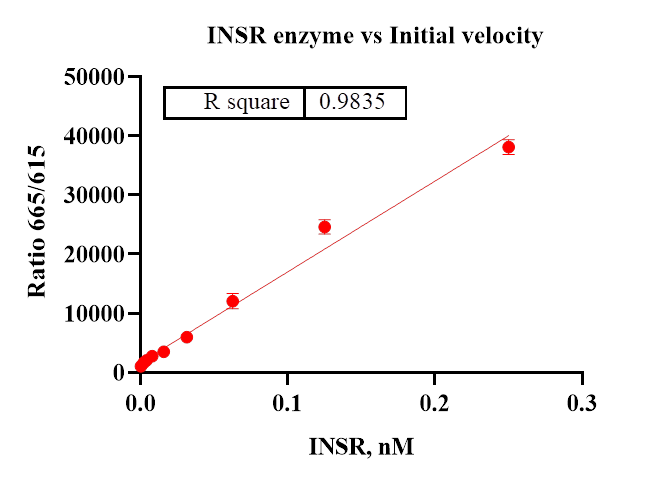
INSR (Insulin Receptor): The insulin receptor (INSR) is a key molecule mediating the effects of insulin. Its activation promotes cellular glucose uptake and utilization, thereby lowering blood glucose levels. In T1DM treatment, exogenous insulin mimics the action of endogenous insulin by binding to INSR, maintaining blood glucose homeostasis. Future research directions may include the development of novel insulin analogs or INSR modulators to optimize insulin therapy and reduce the risk of complications.
Type 2 Diabetes Mellitus (T2DM): Insulin Resistance and β-Cell Dysfunction
Type 2 diabetes mellitus (T2DM) is a metabolic disorder resulting from the combined effects of insulin resistance and pancreatic β-cell dysfunction. Its pathogenesis is complex, involving multiple factors such as genetic predisposition, lifestyle, inflammatory responses, and oxidative stress. The treatment goals for T2DM include controlling blood glucose levels, preventing complications, and improving patients' quality of life.
GLP-1 Receptor (GLP-1R): Glucagon-like peptide-1 (GLP-1) is an incretin hormone that activates the GLP-1 receptor (GLP-1R), promoting insulin secretion, inhibiting glucagon secretion, slowing gastric emptying, and increasing satiety. This leads to reduced blood glucose levels and weight loss. GLP-1 receptor agonists have become important therapeutic agents for T2DM, with drugs like liraglutide and semaglutide demonstrating favorable glucose-lowering effects and cardiovascular protective benefits in clinical applications.
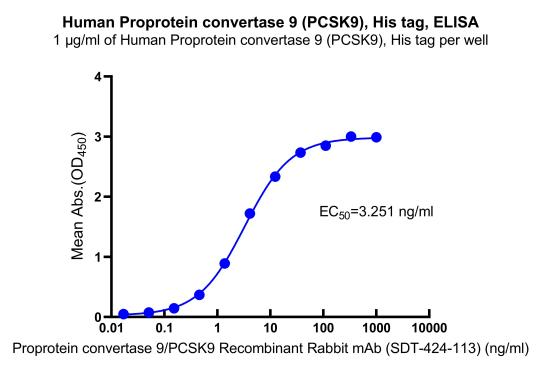
PCSK9 Inhibitors: Proprotein convertase subtilisin/kexin type 9 (PCSK9) is a secreted protein that degrades low-density lipoprotein receptors (LDLRs), thereby affecting cholesterol metabolism. PCSK9 inhibitors increase LDLR expression by inhibiting PCSK9 activity, leading to lower levels of low-density lipoprotein cholesterol (LDL-C) and reduced cardiovascular disease risk. Their application in T2DM treatment provides additional cardiovascular protection for patients.
DPP-4 Inhibitors: Dipeptidyl peptidase-4 (DPP-4) is an enzyme that degrades incretin hormones such as GLP-1. DPP-4 inhibitors prolong the action of GLP-1 by inhibiting DPP-4 activity, enhancing insulin secretion, and lowering blood glucose levels. They are advantageous due to their minimal side effects, suitability for long-term use, and negligible impact on body weight.
Youai Proteins
As an expert in recombinant protein research and development, Youai is dedicated to providing researchers with high-quality products and professional services. We stay abreast of the latest advancements in scientific research, continuously optimizing product performance to support your in-depth exploration in the field of diabetes treatment research. We believe that through our joint efforts, we can assist you in developing next-generation therapeutic drugs, significantly improving the quality of life for patients.
Partial List of Available Products:
| Catalog Number |
Product |
|---|---|
|
UA080102 |
INSR Protein |
|
GLP-1R Fc Chimera Protein, Human |
|
|
GIPR His Tag Protein, Human |
|
|
UA010883 |
Biotinylated GCGR/Glucagon Receptor His&Avi Tag Protein, Human |
|
DPP4/CD26 His Tag Protein, Human |
|
|
UA010997 |
PCSK9 His Tag Protein, Human |
|
UA040005 |
TNF-α Protein, Human |
This article is reviewed and published by the technical expert team of UA
Disclaimer: This article partially utilizes artificial intelligence assistance in its creation. If any content involves copyright or intellectual property issues, please let us know and we promise to verify and remove it as soon as possible.
Purchase recombinant protein, choose Nanjing UA-Bio
UA protein focuses on providing various protein reagents, raw materials, and services required for drug research and development, cell therapy, gene therapy, and basic scientific research, including drug target proteins, immune checkpoint proteins, cytokines, tool enzymes, customized protein expression, and full-length transmembrane protein development. Youai is committed to providing customers with high-quality products and professional services, and building a High-tech Biological Enterprise with International Competitiveness.







 Business license (three certificates in one)