




Exploring New Therapeutic Targets for Multiple Sclerosis: Opening the Door to Health


Multiple sclerosis (MS) is a complex central nervous system disease that poses significant challenges to patients' lives. However, with continuous advancements in medical research, scientists have discovered numerous potential therapeutic targets, bringing new hope for overcoming this disease.
- Recent Advances
- Product Information
Exploring New Therapeutic Targets for Multiple Sclerosis: Opening the Door to Health
Multiple sclerosis (MS) is a complex central nervous system disease that poses significant challenges to patients' lives. However, with continuous advancements in medical research, scientists have discovered numerous potential therapeutic targets, bringing new hope for overcoming this disease.
Multiple Sclerosis and Immunomodulation
Multiple sclerosis is a chronic inflammatory disease of the central nervous system characterized by the immune system erroneously attacking the myelin sheath surrounding nerve fibers, leading to impaired neural signal transmission. Current treatments primarily focus on reducing inflammation and modulating immune responses to protect the myelin sheath and alleviate symptoms.
Promising Target Proteins
In the study of multiple sclerosis treatment, several target proteins have garnered significant attention due to their critical roles in disease mechanisms. For instance, CD19 and BCMA are proteins expressed on B cells, which play a pivotal role in the pathogenesis of multiple sclerosis. Targeting these proteins can effectively modulate the immune system and reduce inflammatory responses.
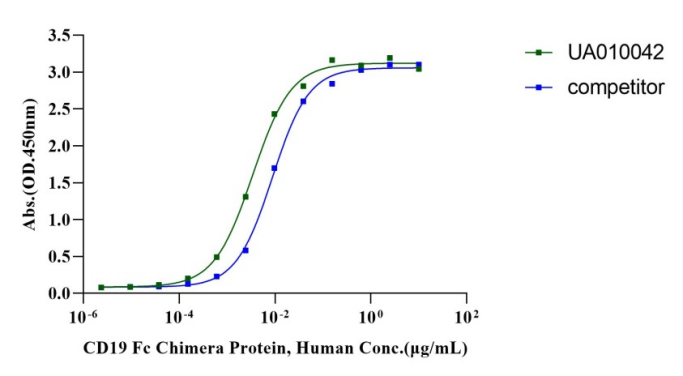
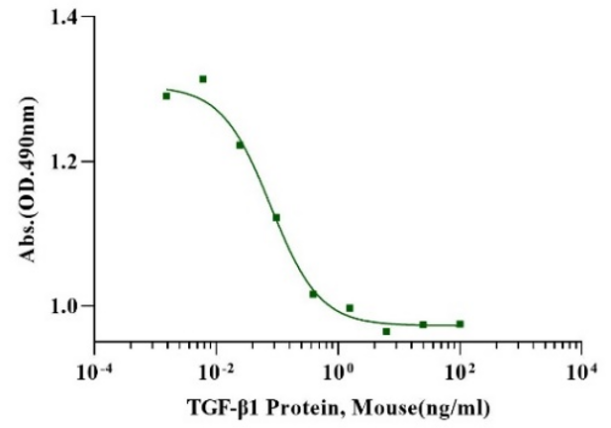
Additionally, TGF-beta 1 and IFN-alpha 2b are also hot topics in research. TGF-beta 1 plays a crucial role in regulating immune responses and promoting neural repair, while IFN-alpha 2b is an interferon capable of inhibiting viral replication and modulating immune cell activity.
Dual Strategies: Neuroprotection and Immunomodulation
Beyond immunomodulation, neuroprotection is also a vital aspect of multiple sclerosis treatment. Target proteins such as IGF-I R (insulin-like growth factor 1 receptor) and GLP1R (glucagon-like peptide 1 receptor) have attracted attention due to their roles in promoting neural regeneration and protecting nerve cells. By targeting these proteins, dual therapeutic strategies that both modulate immune responses and protect nerves can be developed.
Youai Proteins is committed to providing high-quality recombinant proteins for the life sciences field, covering various areas from basic research to drug development. Whether for studying disease mechanisms or developing new drugs, Youai Proteins offers reliable support to help researchers achieve breakthroughs in multiple sclerosis treatment research.
Personalized Treatment and Novel Therapies
With a deeper understanding of the pathological mechanisms of multiple sclerosis, future treatments will become more personalized and precise. For example, CAR-T cell therapy (chimeric antigen receptor T-cell therapy), which has shown remarkable efficacy in certain blood cancers, is now being explored for its potential in multiple sclerosis. By targeting proteins such as CD19 and BCMA, CAR-T cell therapy holds promise for providing more effective treatment options for multiple sclerosis patients.
In conclusion, the treatment of multiple sclerosis is continuously advancing, with new target proteins and therapeutic approaches offering renewed hope for patients. As an expert in recombinant protein research and development, Youai will continue to provide high-quality products and professional services to support your research endeavors in multiple sclerosis treatment, contributing to more achievements in this field.
Partial List of Available Products:
|
Catalog Number |
Product |
|
UA010042 |
CD19 Fc Chimera Protein, Human |
|
UA010083 |
BCMA/TNFRSF17 His Tag Protein, Human |
|
UA040172 |
TGF-β1 Protein, Mouse/Rat |
|
IFN-α 2b Protein, Human |
|
|
Biotinylated GLP-1R His&Avi Tag Protein, Human |
|
|
IL-17A Protein, Human |
|
|
IL-11 Rα Protein Fc Chimera, Human |
|
|
CD40 Ligand/TNFSF5, His tag Protein, Human |
|
|
BAFFR Fc Chimera Protein, Human |
|
|
TGF-β3 Protein, Human |
|
|
FGF-R2 (IIIb) His Tag Protein, Human |
|
|
4-1BB/CD137 Fc Chimera Protein, Human |
This article is reviewed and published by the technical expert team of UA
Disclaimer: This article partially utilizes artificial intelligence assistance in its creation. If any content involves copyright or intellectual property issues, please let us know and we promise to verify and remove it as soon as possible.
Purchase recombinant protein, choose Nanjing UA-Bio
UA protein focuses on providing various protein reagents, raw materials, and services required for drug research and development, cell therapy, gene therapy, and basic scientific research, including drug target proteins, immune checkpoint proteins, cytokines, tool enzymes, customized protein expression, and full-length transmembrane protein development. Youai is committed to providing customers with high-quality products and professional services, and building a High-tech Biological Enterprise with International Competitiveness.







 Business license (three certificates in one)