




Exploring New Therapeutic Targets for Rheumatoid Arthritis: Pioneering the Future of Immunomodulation


Rheumatoid arthritis (RA) is a complex chronic autoimmune disease affecting approximately 0.5%-1% of the global population. RA not only causes joint inflammation and pain but also leads to various complications, significantly impacting patients' quality of life. In recent years, with a deeper understanding of the pathological mechanisms of RA, scientists have identified several key immunomodulatory target proteins, offering new possibilities for developing innovative treatment strategies.
- Recent Advances
- Product Information
Exploring New Therapeutic Targets for Rheumatoid Arthritis: Pioneering the Future of Immunomodulation
Rheumatoid arthritis (RA) is a complex chronic autoimmune disease affecting approximately 0.5%-1% of the global population. RA not only causes joint inflammation and pain but also leads to various complications, significantly impacting patients' quality of life. In recent years, with a deeper understanding of the pathological mechanisms of RA, scientists have identified several key immunomodulatory target proteins, offering new possibilities for developing innovative treatment strategies.
Promising Target Proteins
CTLA-4: CTLA-4 is an important immune checkpoint protein that inhibits excessive T-cell activation by binding to CD80/CD86, thereby reducing inflammatory responses. Abatacept, a CTLA-4-based fusion protein drug, has been approved for the treatment of moderately to severely active RA patients.

CD19: CD19 is a critical marker on B cells involved in B-cell activation and proliferation. Blinatumomab, a bispecific antibody targeting CD19 and CD3, has demonstrated significant efficacy in refractory RA patients by guiding T cells to attack B cells.
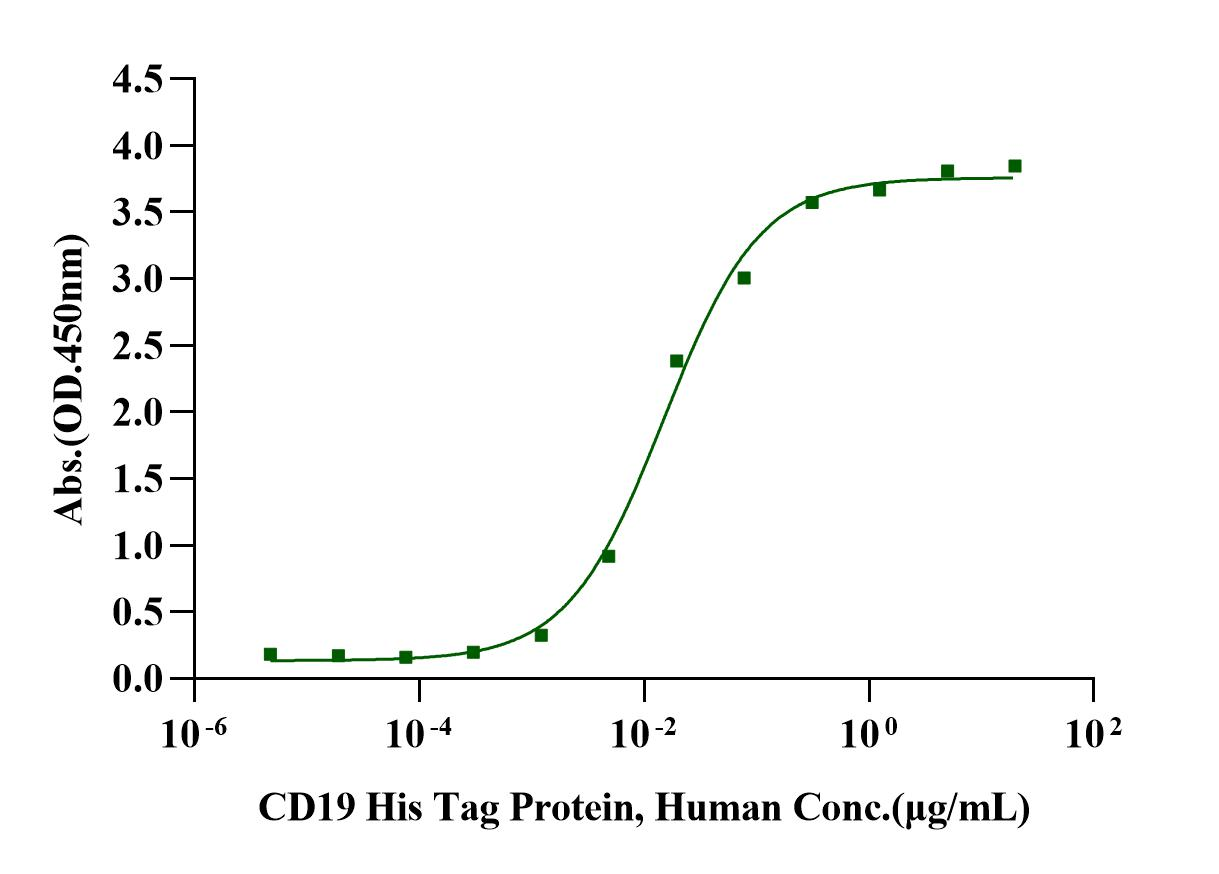
PD-1: PD-1 is another immune checkpoint protein. Its agonist, Peresolimab, has shown favorable efficacy and safety in RA treatment. PD-1 helps control RA inflammation by regulating T-cell activity.
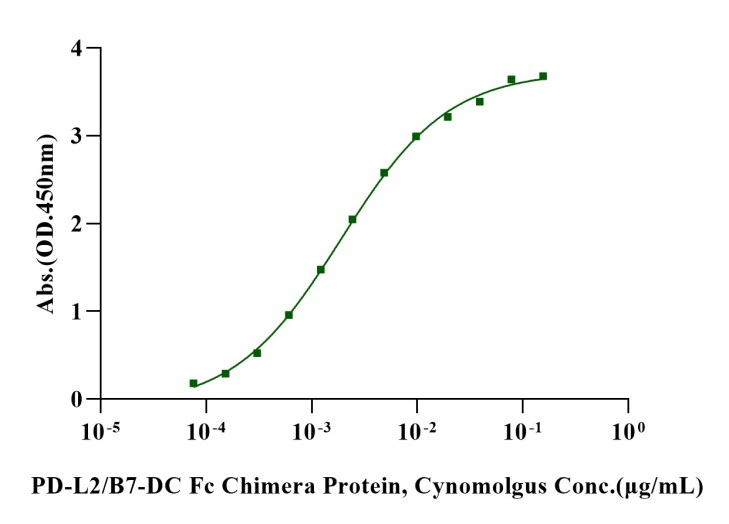
CD40/CD40L: CD40 and CD40L are key costimulatory molecules between T cells and B cells, participating in the regulation of immune responses. Elevated CD40 expression levels in RA patients' serum are significantly correlated with increased anti-citrullinated peptide antibodies (ACPA) and disease activity. VIB4920, a CD40L antagonist, has significantly reduced disease activity in Phase I clinical trials for RA.
With a deeper understanding of RA's pathological mechanisms, targeted therapies can more effectively modulate the immune system and reduce inflammation, offering patients greater hope and treatment options. Youai provides target proteins that undergo rigorous quality control, ensuring high purity and biological activity. These proteins are suitable for various experiments, including antibody screening and cell activity assays. Youai remains committed to following the forefront of scientific research, continuously optimizing our products, and supporting scientists in developing safer and more effective therapeutic drugs.
Partial List of Available Products:
|
Catalog Number |
Product |
|
UA010077 |
CTLA-4 His Tag Protein, Human |
|
UA011126 |
CD19 His Tag Protein, Human |
|
UA010427 |
Biotinylated PD-1 Avi&His Tag Protein, Human |
|
Biotinylated B7-1 Avi&His Tag Protein, Human |
|
|
Biotinylated B7-2 Fc&Avi Tag Protein, Human |
|
|
LAG-3 GST Tag Protein, Human |
|
|
TNF-β Protein, Human |
|
|
CD28 Fc Chimera Protein, Human/Cynomolgus/Rhesus macaque |
|
|
G-CSF Protein, Human |
|
|
IL-6 Protein, Human |
This article is reviewed and published by the technical expert team of UA
Disclaimer: This article partially utilizes artificial intelligence assistance in its creation. If any content involves copyright or intellectual property issues, please let us know and we promise to verify and remove it as soon as possible.
Purchase recombinant protein, choose Nanjing UA-Bio
UA protein focuses on providing various protein reagents, raw materials, and services required for drug research and development, cell therapy, gene therapy, and basic scientific research, including drug target proteins, immune checkpoint proteins, cytokines, tool enzymes, customized protein expression, and full-length transmembrane protein development. Youai is committed to providing customers with high-quality products and professional services, and building a High-tech Biological Enterprise with International Competitiveness.







 Business license (three certificates in one)