




Fibronectin: A "versatile" in the extracellular matrix


Fibronectin (FN) is a multifunctional extracellular matrix protein that is widely present in plasma, cell surface and extracellular matrix. It plays an important role in biological processes such as cell adhesion, migration, proliferation, wound healing, embryonic development and tumor progression.
- Recent Advances
- Product Information
Fibronectin: A "versatile" in the extracellular matrix
Fibronectin (FN) is a multifunctional extracellular matrix protein that is widely present in plasma, cell surface and extracellular matrix. It plays an important role in biological processes such as cell adhesion, migration, proliferation, wound healing, embryonic development and tumor progression.
Structure and function of fibronectin
Fibronectin is a high molecular weight glycoprotein, which is formed by two subunits cross-linked by disulfide bonds at the C-terminus. The molecular weight of each subunit is about 220~250 kDa. Its molecular structure contains multiple repeating modules, such as fibronectin type I, type II and type III repeat sites, which endow fibronectin with multiple biological functions. Fibronectin can bind to integrin receptors on the cell surface to mediate the adhesion and migration of cells and extracellular matrix. In addition, fibronectin is also involved in processes such as blood coagulation, fibrosis and tissue repair.
Application of fibronectin in regenerative medicine
In the field of regenerative medicine, fibronectin has broad application prospects. For example, fibronectin can be used as a matrix for cell culture to improve the adhesion rate and proliferation efficiency of various cells. In the process of wound healing, fibronectin helps the regeneration and repair of chronic and difficult-to-heal wounds by promoting cell migration, proliferation and granulation tissue formation. In addition, the expression of fibronectin in the cardiovascular system plays an important role in the development of the heart, myocardial hypertrophy and the occurrence and development of cardiovascular diseases.
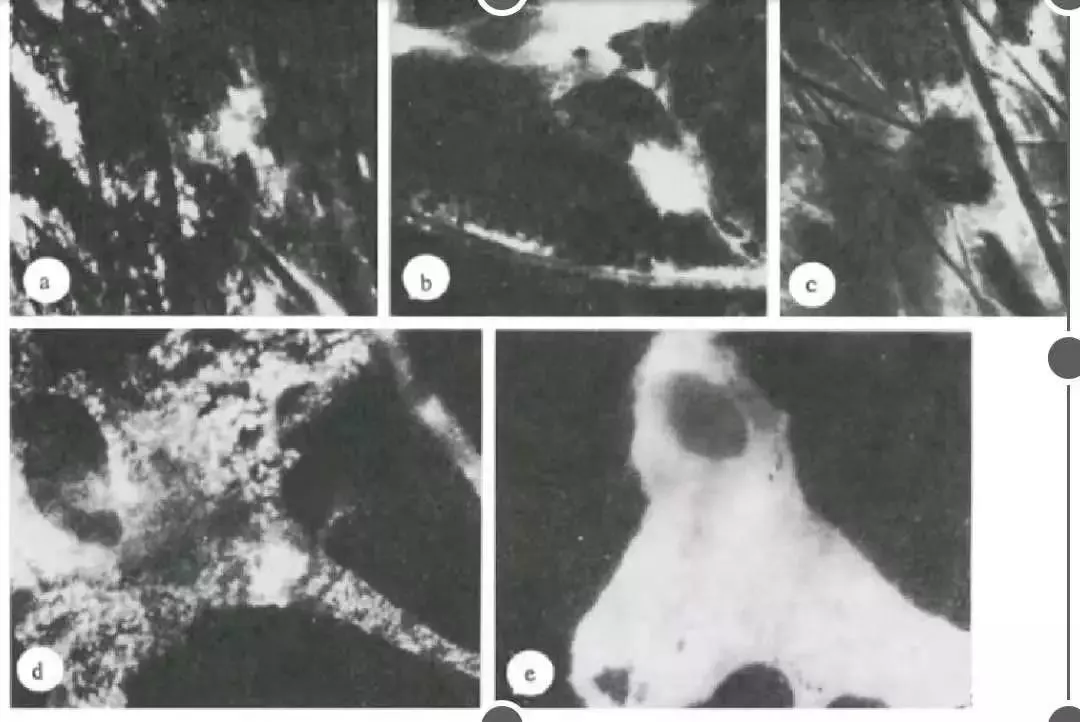
The role of fibronectin in tumor progression
Fibronectin also plays a key role in tumor progression. It promotes the adhesion and survival of tumor cells by mediating cell adhesion and fiber formation through integrins. The upregulation of fibronectin expression is associated with the invasion and metastasis ability of tumor cells. In the tumor microenvironment, fibronectin promotes the infiltration and metastasis of tumor cells by changing cell adhesion properties, promoting the remodeling of the extracellular matrix, inhibiting cell apoptosis and regulating epithelial-mesenchymal transition (EMT).
Application of fibronectin in beauty and skin care
In the field of beauty and skin care, the repair effect of fibronectin is manifested in promoting normal physiological metabolism of the skin, smoothing fine lines, delaying aging, and preventing abnormal secretion of melanocytes, that is, whitening and lightening spots. Skin care products containing fibronectin, such as facial masks and creams, have the main functions of repairing, moisturizing and delaying aging.
Future research directions of fibronectin
With the continuous innovation of life sciences and biotechnology, fibronectin has broad application prospects in the field of regenerative medicine. Researchers are developing new biological scaffold materials based on fibronectin to guide tissue repair and regeneration. In addition, the development of recombinant fibronectin also provides a new way to solve the problem of difficult extraction of natural fibronectin.
In short, as a multifunctional extracellular matrix protein, fibronectin has a wide range of application potential in the biomedical field. In the future, with the further development of technology, fibronectin is expected to play an important role in more fields and make greater contributions to human health and beauty.
This article is reviewed and published by the technical expert team of UA
Disclaimer: This article partially utilizes artificial intelligence assistance in its creation. If any content involves copyright or intellectual property issues, please let us know and we promise to verify and remove it as soon as possible.
Purchase recombinant protein, choose Nanjing UA-Bio
UA protein focuses on providing various protein reagents, raw materials, and services required for drug research and development, cell therapy, gene therapy, and basic scientific research, including drug target proteins, immune checkpoint proteins, cytokines, tool enzymes, customized protein expression, and full-length transmembrane protein development. Youai is committed to providing customers with high-quality products and professional services, and building a High-tech Biological Enterprise with International Competitiveness.







 Business license (three certificates in one)