




Fibronectin: The "Repair Master" in Life


In our body, there is a magical protein - Fibronectin (FN for short), which is like a "repair master" working silently, playing an extremely important role in the interaction between cells and cells, and between cells and matrix.
- Recent Advances
- Product Information
Fibronectin: The "Repair Master" in Life
In our body, there is a magical protein - Fibronectin (FN for short), which is like a "repair master" working silently, playing an extremely important role in the interaction between cells and cells, and between cells and matrix.
What is fibronectin?
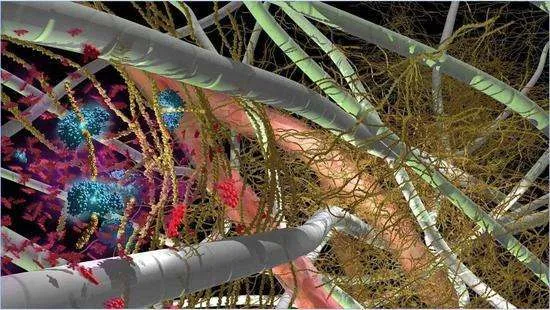
Fibronectin is a macromolecular glycoprotein that is widely present in plasma, various cell surfaces and cell matrix. It is formed by two subunits cross-linked by disulfide bonds at the C-terminus. The whole molecule is V-shaped and has a molecular weight of about 450 kDa. This protein plays a key role in various biological processes such as cell adhesion, migration, proliferation and wound healing.
The magical function of fibronectin
Promote wound healing
Fibronectin is released from platelets in the early coagulation stage of trauma, cross-linked with fibrin to form a solid blood clot. It can activate neutrophils, enhance their adhesion, and accelerate their aggregation to the wound area. In the middle stage of wound repair, fibronectin is an important chemotactic factor for fibroblasts, which helps fibroblasts quickly enter the wound area and promote the formation of granulation tissue.
Anti-aging and skin repair
With age, the amount of fibronectin in the skin will gradually decrease, leading to decreased skin elasticity and more wrinkles. Fibronectin can promote cell proliferation and differentiation, enhance skin elasticity and firmness. It can also regulate inflammatory responses and reduce excessive proliferation of scar tissue.
Application in beauty and skin care
Fibronectin is increasingly used in cosmetics. It can promote the regeneration of skin cells, repair damaged skin tissue, and improve the gloss and elasticity of the skin. Skin care products containing fibronectin, such as masks and creams, mainly have the functions of repairing, moisturizing and delaying aging.
Future prospects of fibronectin
With the continuous innovation of life sciences and biotechnology, fibronectin has broad application prospects in the field of regenerative medicine. Researchers are developing new bioscaffold materials based on fibronectin to guide tissue repair and regeneration, especially in the treatment of cardiovascular diseases and skin wound repair. In addition, the development of recombinant fibronectin also provides a new way to solve the problem of difficult extraction of natural fibronectin.
In short, as a multifunctional bioactive protein, fibronectin has great application potential in the fields of medicine, beauty and skin care. In the future, with the further development of technology, fibronectin is expected to play an important role in more fields and make greater contributions to human health and beauty.
This article is reviewed and published by the technical expert team of UA
Disclaimer: This article partially utilizes artificial intelligence assistance in its creation. If any content involves copyright or intellectual property issues, please let us know and we promise to verify and remove it as soon as possible.
Purchase recombinant protein, choose Nanjing UA-Bio
UA protein focuses on providing various protein reagents, raw materials, and services required for drug research and development, cell therapy, gene therapy, and basic scientific research, including drug target proteins, immune checkpoint proteins, cytokines, tool enzymes, customized protein expression, and full-length transmembrane protein development. Youai is committed to providing customers with high-quality products and professional services, and building a High-tech Biological Enterprise with International Competitiveness.







 Business license (three certificates in one)