




Folate Binding Protein Antibody: The Key to Revealing Human Folate Metabolism and Tumor Treatment


Folate binding protein antibodies are specific antibodies prepared against targets such as folate binding protein (FBP) or folate receptor alpha (FRα), which are of great significance in medical research and clinical diagnosis.
- Recent Advances
- Product Information
Folate Binding Protein Antibody: The Key to Revealing Human Folate Metabolism and Tumor Treatment
Folate binding protein antibodies are specific antibodies prepared against targets such as folate binding protein (FBP) or folate receptor alpha (FRα), which are of great significance in medical research and clinical diagnosis. This article will provide you with relevant knowledge about folate binding protein antibodies, including its functions, progress in immunological research, and its application in disease diagnosis and treatment.
Function and structure of folate binding protein
Folate binding protein is a high-affinity protein that is mainly responsible for the transportation and storage of folic acid. It has two forms: membrane-bound and soluble. Membrane-bound folate binding proteins (such as FRα) are anchored to the cell membrane through glycosylated phosphatidylinositol (GPI) and are widely present in normal epithelial cells and various tumor cells. FRα has a very high affinity for folic acid and its reduced derivatives, and transports folic acid into cells through receptor-mediated endocytosis, which is essential for cell growth and proliferation.
The structure of folate binding protein includes a transmembrane domain with a molecular weight of approximately 38-40 kDa. In addition to its basic role in folate transport, FRα is also involved in a variety of signaling pathways, such as JAK-STAT3 and ERK1/2 signaling pathways, and may participate in gene expression regulation as a transcription factor.
Preparation and application of folate binding protein antibodies
Preparation of antibodies
The preparation of folate binding protein antibodies usually adopts monoclonal antibody technology. By immunizing animals (such as mice) and screening specific B lymphocytes, scientists are able to obtain highly specific and high-affinity monoclonal antibodies. These antibodies can specifically bind to folate and its binding protein complex, providing a powerful tool for immunological detection.
Application in clinical diagnosis
Folate binding protein antibodies have broad application prospects in clinical diagnosis. First, they can be used to detect folate binding protein levels in serum or tissues to help diagnose folate metabolism-related diseases. For example, folate deficiency may lead to neural tube defects, megaloblastic anemia and other diseases. By detecting folate binding protein antibodies, doctors can more accurately assess the patient's folate metabolism status and thus develop personalized treatment plans.
Application in tumor treatment
Folic acid binding protein antibodies also show great potential in tumor treatment. Since FRα is highly expressed in a variety of tumor cells, such as ovarian cancer, triple-negative breast cancer, and non-small cell lung cancer, it has become a highly promising anti-cancer target. For example, monoclonal antibodies targeting FRα (such as farletuzumab) have been developed for the treatment of ovarian cancer. These antibodies can specifically bind to FRα on the surface of tumor cells and inhibit the growth and proliferation of tumor cells.
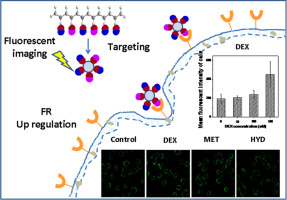
In addition, folate binding protein antibodies can also be used for diagnostic imaging of tumors. By combining antibodies with radioactive or fluorescent markers, doctors can monitor the location and size of tumors in real time in vivo. This method not only improves the accuracy of tumor diagnosis, but also provides an important basis for the evaluation of treatment effects.
Future research directions and challenges
Although folate binding protein antibodies have made significant progress in medical research and clinical applications, they still face some challenges. First, the preparation process of antibodies needs to be further optimized to improve their affinity and specificity. Second, personalized treatment plans need to be developed for different tumor types and individual differences. In addition, in-depth research is needed on the specific mechanism of folate binding protein in cell signaling and gene expression regulation.
Future research directions may include: exploring the role of folate binding protein in other diseases, such as cardiovascular disease and neurological diseases; developing new antibody drugs, such as bispecific antibodies and antibody-drug conjugates; and using gene editing technology to study the function of folate binding protein.
Conclusion
As an important medical tool, folate binding protein antibodies have broad application prospects in folate metabolism research, tumor diagnosis and treatment. With the continuous deepening of research and the continuous advancement of technology, folate binding protein antibodies are expected to bring more benefits to human health.
This article is reviewed and published by the technical expert team of UA
Disclaimer: This article partially utilizes artificial intelligence assistance in its creation. If any content involves copyright or intellectual property issues, please let us know and we promise to verify and remove it as soon as possible.
Purchase recombinant protein, choose Nanjing UA-Bio
UA protein focuses on providing various protein reagents, raw materials, and services required for drug research and development, cell therapy, gene therapy, and basic scientific research, including drug target proteins, immune checkpoint proteins, cytokines, tool enzymes, customized protein expression, and full-length transmembrane protein development. Youai is committed to providing customers with high-quality products and professional services, and building a High-tech Biological Enterprise with International Competitiveness.







 Business license (three certificates in one)