




Axl: A new target in cancer treatment


In recent years, scientists have discovered a receptor tyrosine kinase called Axl, which is abnormally highly expressed in a variety of tumor cells and is closely related to the progression of cancer. The discovery of Axl and its signaling pathway has brought new hope for cancer treatment.
- Recent Advances
- Product Information
Axl: A new target in cancer treatment
In the complex physiological processes of the human body, cell growth, survival and migration are finely regulated by multiple signaling pathways. However, when these signaling pathways are abnormal, it may lead to the occurrence of diseases, especially cancer. In recent years, scientists have discovered a receptor tyrosine kinase called Axl, which is abnormally highly expressed in a variety of tumor cells and is closely related to the progression of cancer. The discovery of Axl and its signaling pathway has brought new hope for cancer treatment.
Structure and function of Axl
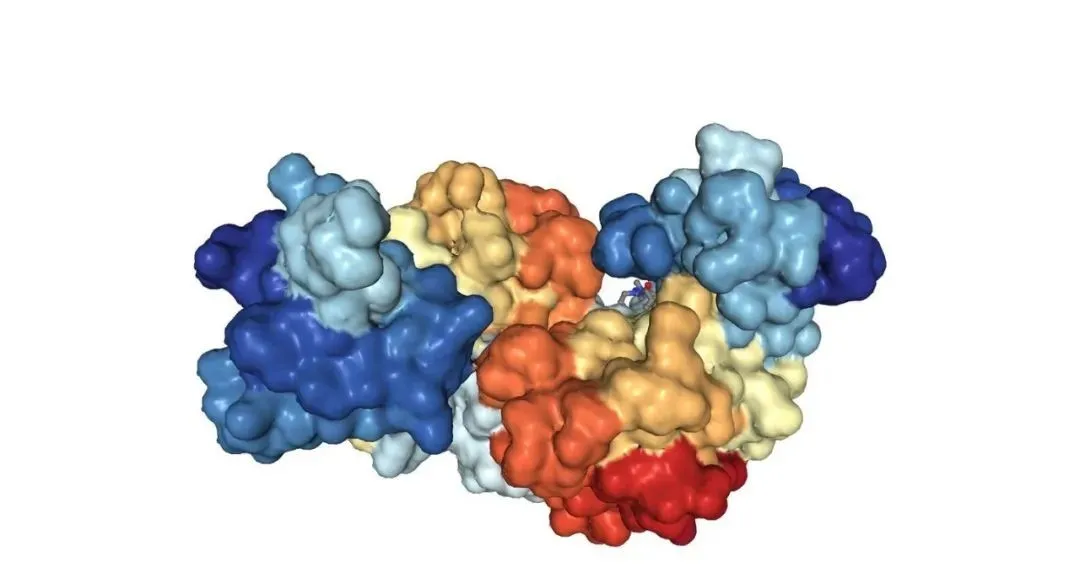
Axl belongs to the TAM family of receptor tyrosine kinases, along with Mer and Tyro-3. The members of the TAM family have similar structures and are composed of an extracellular segment, a transmembrane region and an intracellular segment. The extracellular segment of Axl is similar to the structure of the neural cell adhesion molecule (NCAM), containing two immunoglobulin-like regions (Ig) and two fibronectin III (FNⅢ)-like regions. Among them, the Ig-like region is the key region for binding to the ligand, while the FNⅢ region plays a regulatory role in the binding of the Axl protein to its ligand. The intracellular region of Axl is a tyrosine kinase-like region with kinase activity, which can participate in the transmission of multiple intracellular signals.
The only known ligand of Axl is Gas6 protein, which is a vitamin K-dependent secretory protein. The structure of Gas6 protein includes the Gla region at the N-terminus, four tandem epidermal growth factor (EGF)-like regions, and two laminin globular regions (LG regions) at the C-terminus. After Gas6 protein binds to Axl, it can activate the tyrosine kinase activity of Axl, thereby initiating a series of downstream signaling pathways.
Activation mechanism of Axl/Gas6 signaling pathway
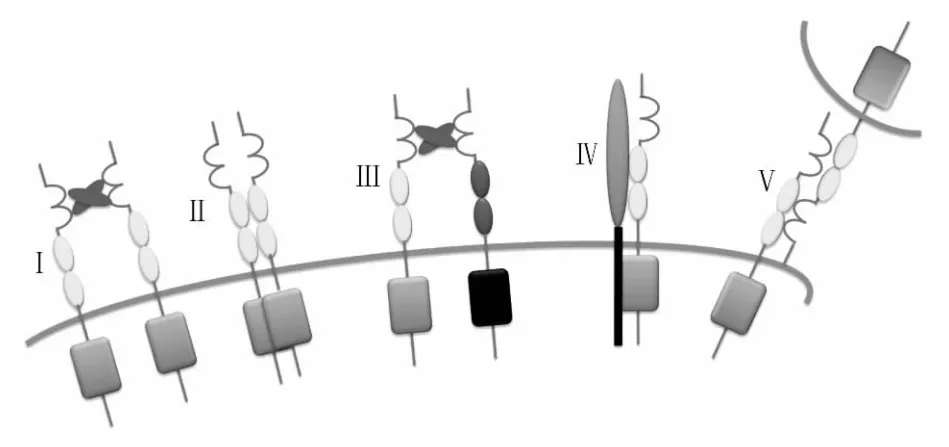
Axl activation can be achieved through a variety of mechanisms. The most common mechanism is homodimerization mediated by its ligand Gas6. In this process, Axl and Gas6 form a high-affinity complex in a 1:1 ratio, then diffuse laterally and form a dimer with another Axl receptor. The formation of this dimer leads to the autophosphorylation of the Axl receptor, activating the tyrosine residues of its intracellular kinase domain, thereby interacting with downstream signaling molecules such as PI3K, C1-TEN and Grb2.
In addition to the ligand-dependent activation mechanism, Axl can be activated in several other ways. For example, overexpression of Axl can lead to its self-dimerization, which is activated independently of the ligand. In addition, Axl can also form heterodimers with other TAM family receptors or non-TAM family receptors, or be activated by binding to the extracellular domain between different cells. These atypical activation mechanisms are usually related to the microenvironment of cancer cells.
The role of Axl in cancer
Axl is highly expressed in a variety of tumor cells, including chronic myeloid leukemia, lung cancer, breast cancer, colon cancer and ovarian cancer. Abnormal activation of Axl is closely related to the survival, proliferation, metastasis and drug resistance of tumor cells. Through the PI3K/AKT pathway, Axl can regulate cell survival and stimulate the expression of anti-apoptotic proteins; through the MAPK/ERK pathway, Axl can promote cell metastasis and proliferation. In addition, atypical activation of Axl may also lead to cell aggregation and capillary angiogenesis, which play an important role in tumor progression.
Axl as a target for cancer therapy
Due to its key role in tumor cells, Axl has become an important target for cancer therapy. Currently, scientists are developing a variety of inhibitors against Axl, including small molecule inhibitors and monoclonal antibodies. These inhibitors inhibit the activation of the Axl signaling pathway by blocking the kinase activity of Axl or its binding to Gas6, thereby inhibiting the growth and metastasis of tumor cells.
Future Outlook
The study of Axl and its signaling pathway provides new ideas for cancer treatment. With a further understanding of the function and regulatory mechanism of Axl, scientists are expected to develop more effective Axl-targeted therapeutic strategies. In addition, the potential role of Axl in other diseases is also worthy of further exploration. As a new target for cancer treatment, Axl has broad research prospects and is expected to bring new hope to cancer patients.
This article is reviewed and published by the technical expert team of UA
Disclaimer: This article partially utilizes artificial intelligence assistance in its creation. If any content involves copyright or intellectual property issues, please let us know and we promise to verify and remove it as soon as possible.
Purchase recombinant protein, choose Nanjing UA-Bio
UA protein focuses on providing various protein reagents, raw materials, and services required for drug research and development, cell therapy, gene therapy, and basic scientific research, including drug target proteins, immune checkpoint proteins, cytokines, tool enzymes, customized protein expression, and full-length transmembrane protein development. Youai is committed to providing customers with high-quality products and professional services, and building a High-tech Biological Enterprise with International Competitiveness.







 Business license (three certificates in one)