




BCMA: A new breakthrough from tumor treatment to autoimmune diseases


At the forefront of medical research, the target BCMA (B cell maturation antigen) is gradually becoming a new focus of immunotherapy. Initially, BCMA was mainly focused on its potential in the treatment of multiple myeloma (MM), but recent research breakthroughs have given us new hope for its use in the treatment of autoimmune diseases.
- Recent Advances
- Product Information
BCMA: A new breakthrough from tumor treatment to autoimmune diseases
At the forefront of medical research, the target BCMA (B cell maturation antigen) is gradually becoming a new focus of immunotherapy. Initially, BCMA was mainly focused on its potential in the treatment of multiple myeloma (MM), but recent research breakthroughs have given us new hope for its use in the treatment of autoimmune diseases.
BCMA: The "nemesis" of multiple myeloma
BCMA is an antigen that is highly expressed on the surface of mature B cells, especially in multiple myeloma (MM) cells. Multiple myeloma is a malignant blood disease with limited efficacy and high relapse rate with traditional treatments. In recent years, CAR-T cell therapy, as an emerging immunotherapy method, has achieved significant therapeutic effects by transforming the patient's own T cells to enable them to specifically recognize and attack cancer cells. BCMA, as a target for CAR-T cell therapy, has shown strong potential in the treatment of multiple myeloma.
Globally, many pharmaceutical companies and research institutions are actively developing CAR-T cell therapies targeting BCMA. These therapies guide T cells to cancer cells by targeting BCMA, thereby achieving precise killing. However, despite the significant progress made by BCMA in the treatment of multiple myeloma, its application scope does not seem to be limited to tumor treatment.
BCMA CAR-T: Breaking through the treatment bottleneck of autoimmune diseases
Neuromyelitis optica spectrum disorder (NMOSD) is a group of inflammatory demyelinating diseases of the central nervous system mainly involved in humoral immunity, with high relapse rate and high disability rate. The exact cause and pathogenesis of NMOSD have not been fully clarified, but AQP4-IgG antibody is considered to be an important pathogenic factor.
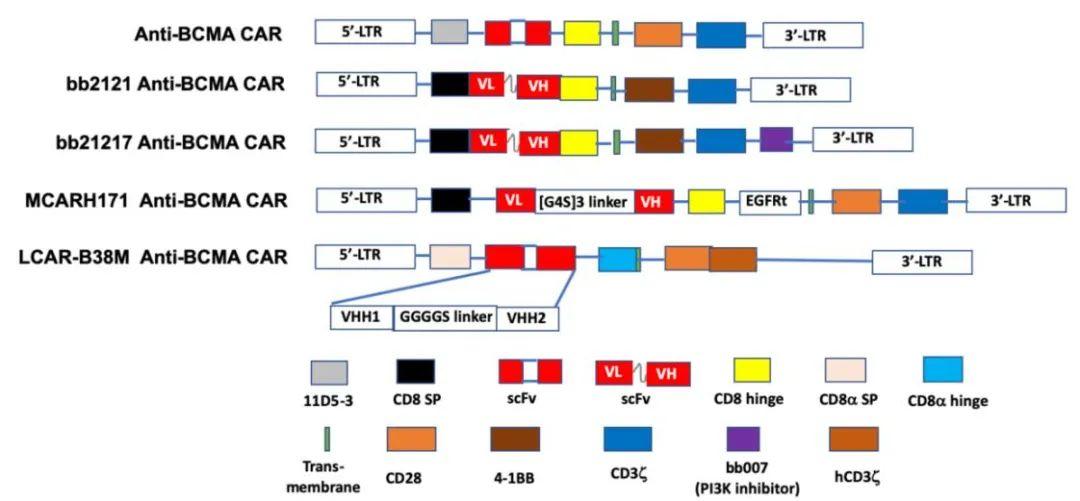
Future Outlook: Potential and Challenges of BCMA CAR-T
The application of BCMA CAR-T in the treatment of NMOSD has opened up a new path for the treatment of autoimmune diseases. Although this field is still in its early stages, its potential market space and therapeutic potential should not be underestimated. Globally, the prevalence of NMOSD is about 1-5/100,000 people. Asian population-dwelling areas are high-incidence areas of NMOSD, and middle-aged women are high-incidence groups of the disease. According to the Frost & Sullivan report, the number of NMOSD patients in China in 2020 is about 49,200, and the number of patients worldwide is about 171,000.
However, BCMA CAR-T treatment of NMOSD also faces some challenges. First, the side effects of CAR-T treatment in NMOSD patients need further research and management. Clearing B cells may have long-term effects on the patient's immune system, which requires careful evaluation and monitoring. Secondly, the market competition is also fierce, and BCMA CAR-T needs to show greater advantages in efficacy and safety.
In short, BCMA CAR-T has made significant progress in the treatment of multiple myeloma, and its application in the treatment of NMOSD has brought new hope for the treatment of autoimmune diseases. With the continuous deepening of research and the continuous advancement of technology, BCMA CAR-T is expected to bring good news to more patients.
This article is reviewed and published by the technical expert team of UA
Disclaimer: This article partially utilizes artificial intelligence assistance in its creation. If any content involves copyright or intellectual property issues, please let us know and we promise to verify and remove it as soon as possible.
Purchase recombinant protein, choose Nanjing UA-Bio
UA protein focuses on providing various protein reagents, raw materials, and services required for drug research and development, cell therapy, gene therapy, and basic scientific research, including drug target proteins, immune checkpoint proteins, cytokines, tool enzymes, customized protein expression, and full-length transmembrane protein development. Youai is committed to providing customers with high-quality products and professional services, and building a High-tech Biological Enterprise with International Competitiveness.







 Business license (three certificates in one)