




Engineered MHC class II tetramers enhance the detection sensitivity of antigen-specific T cells by strengthening CD4 binding.


T cells play a core role in cell-mediated immune responses by recognizing specific peptide antigens bound to MHC molecules. Fluorescently labeled peptide:MHC class I (pMHC I) tetramers are standard for identifying antigen-specific CD8⁺ T cells via flow cytometry. However, extending this technology to detect CD4⁺ T cells faces technical challenges.
- Recent Advances
- Product Information
MHC class II tetramers engineered for enhanced binding to CD4 improve detection of antigen-specific T cells
Research Background
T cells play a central regulatory role in cell-mediated immune responses by recognizing specific peptide antigens presented by major histocompatibility complex (MHC) molecules. Fluorescently labeled peptide:MHC class I (P:MHCI) tetramers have become the standard tool for identifying antigen-specific CD8⁺ T cells via flow cytometry, yet their application to CD4⁺ T cell detection remains technically challenging. This limitation likely stems from the inherently low binding affinity between CD4 molecules and MHC class II molecules. In this study, we engineered P:MHC class II tetramers with enhanced CD4-binding capacity using directed evolution technology, significantly improving the detection sensitivity of antigen-specific CD4⁺ T cells. Experimental results demonstrated that in multiple peptide-immunized mouse models, the engineered tetramers detected nearly twice the frequency of antigen-specific CD4⁺ T cells compared to conventional reagents, underscoring their ability to surpass traditional detection thresholds. This technological advancement provides a transformative tool for dissecting the fine architecture of T cell immune responses, with implications for deepening understanding of T cell repertoire dynamics and immune regulatory mechanisms.
Paper Title
Engineered MHC class II tetramers with enhanced CD4 binding affinity enable superior detection of antigen-specific T cells
Research Results
Result 1: Directed evolution screening identifies I-Ab mutants with enhanced CD4 binding
The research team hypothesized that the intrinsic low affinity between CD4 and MHC class II molecules may prevent conventional P:MHC class II tetramers from detecting T cells expressing low-affinity T cell receptors (TCRs). To overcome this technical barrier, directed evolution was applied to modify the I-Ab MHC class II molecule derived from C57BL/6 (B6) mice, aiming to generate mutants with enhanced CD4-binding capacity.
A plasmid library encoding P5R10 antigenic peptide-I-Abβ chain fusion proteins (with randomized mutations at positions E137, V142, I148, and L158) was constructed and introduced into CHO cells containing the I-Abα chain and a single Flippase recognition target (FRT) site via FRT-mediated recombination. This system ensured each CHO cell expressed a unique mutant I-Abβ chain, forming P5R:I-Ab heterodimers with distinct amino acid combinations. The mutant library was subjected to multiple rounds of fluorescence-activated cell sorting using streptavidin-fluorophore-labeled mouse CD4 tetramers, followed by magnetic bead enrichment of CD4-binding-positive cells. After three rounds of screening, CHO clones stably expressing CD4-high-affinity mutants were isolated. Genetic sequencing confirmed that enriched clones harbored triple mutations (V142I, I148Y, and L158D), designated I-Ab-4E, while wild-type P5R:I-Ab-expressing cells showed no binding signals.
Functional validation revealed that the P5R:I-Ab-4E tetramer exhibited significantly enhanced binding to transgenic CD4⁺ T cells expressing the low-affinity B3K508 TCR (KD = 93 µM), with staining signals approaching background levels of polyclonal CD4⁺ T cells in B6 mice. Critically, the P5R:I-Ab-4E tetramer did not non-specifically bind to most polyclonal T cells in the B6 T cell repertoire, indicating preserved binding specificity.
To confirm CD4 dependency, B3K508 T cells were subjected to CD4 knockout via CRISPR/Cas9. The CD4⁻ subset completely lost binding to P5R:I-Ab-4E tetramers, while residual CD4⁺ cells retained binding activity. These findings unequivocally demonstrated that enhanced binding of P5R:I-Ab-4E tetramers to low-affinity TCRs strictly required CD4 engagement, ruling out nonspecific interactions.
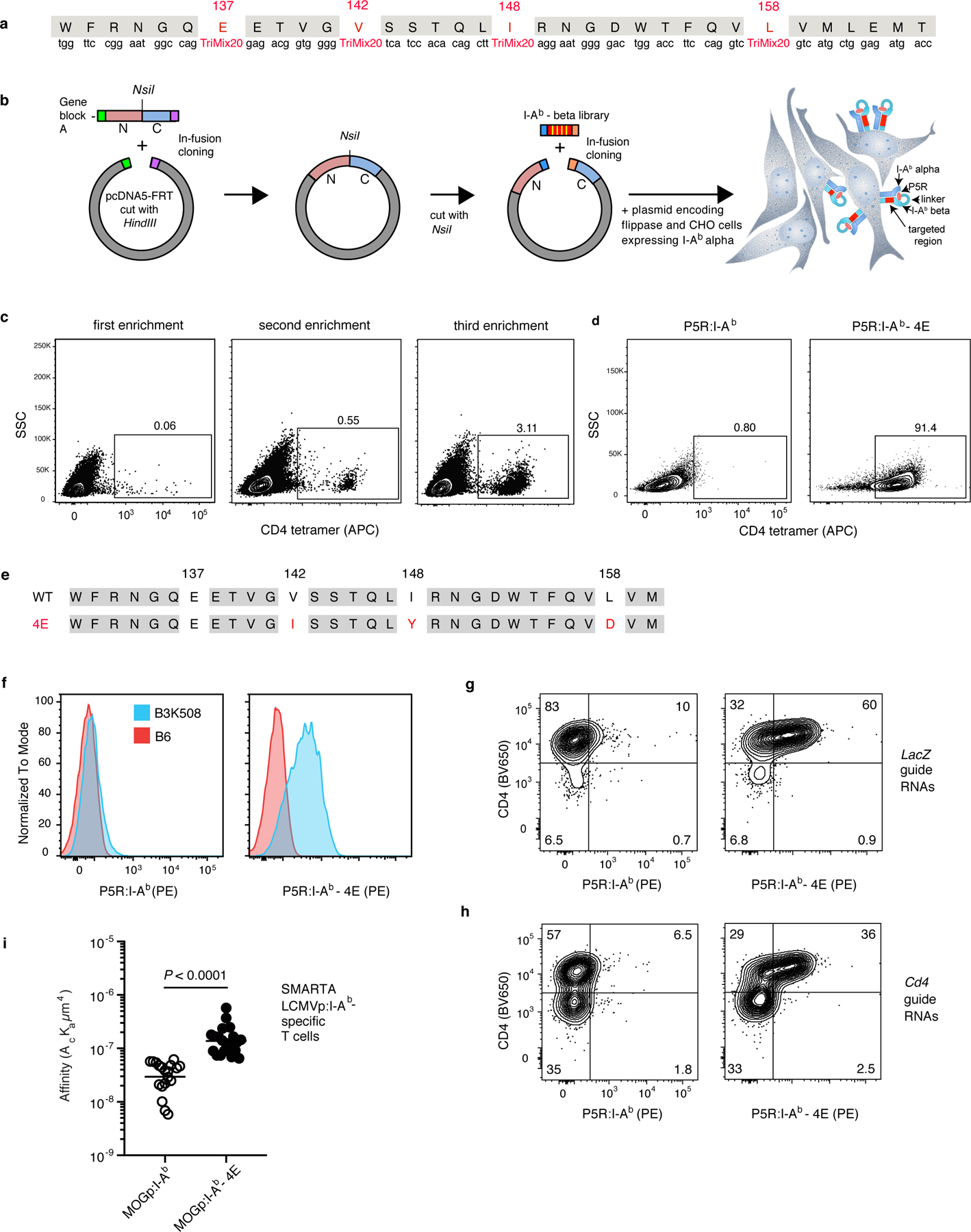
Fig 1. Identification of I-Ab mutants with enhanced CD4-binding capacity
Result 2: Engineered tetramers enhance detection of antigen-specific CD4⁺ T cells across multiple mouse strains
In B6 mice immunized with Staphylococcus aureus peptides (P5R, 2W, OVA, GP66) or the autoantigen MOGp, conventional I-Ab tetramers detected 5,600–85,000 antigen-specific CD4⁺ effector T cells in spleen and lymph nodes. Variations in detected frequencies correlated with precursor T cell numbers, while low MOGp:I-Ab responses reflected central immune tolerance. Engineered I-Ab-4E tetramers significantly increased detection efficiency across all groups: P5R, 2W, OVA, GP66, and MOGp immunizations yielded 9,700–110,000 cells, representing 1.3–4.2-fold improvements (average 1.7-fold). Flow cytometry confirmed that >90% of tetramer-binding cells exhibited a CD44^hi effector/memory phenotype, indicating preferential recognition of activated antigen-specific T cells.
To assess cross-strain applicability, 4E mutations were introduced into BALB/c-derived I-Ad and NOD-derived I-Ag7 molecules, generating OVA3:I-Ad-4E and P31:I-Ag7-4E tetramers. In BALB/c mice immunized with OVA/CFA, OVA3:I-Ad-4E detected 12,000 cells (2.1-fold improvement over wild-type). In NOD mice immunized with P31/CFA, P31:I-Ag7-4E detected 1,400,000 cells (1.4-fold improvement). Notably, P31-specific responses were robust due to a large naive T cell precursor pool, highlighting the engineered tetramers' advantage in detecting low-frequency antigen-specific T cells. These results demonstrate that 4E mutations universally enhance MHC class II tetramer sensitivity across genetic backgrounds, providing a versatile tool for cross-strain immunology studies.
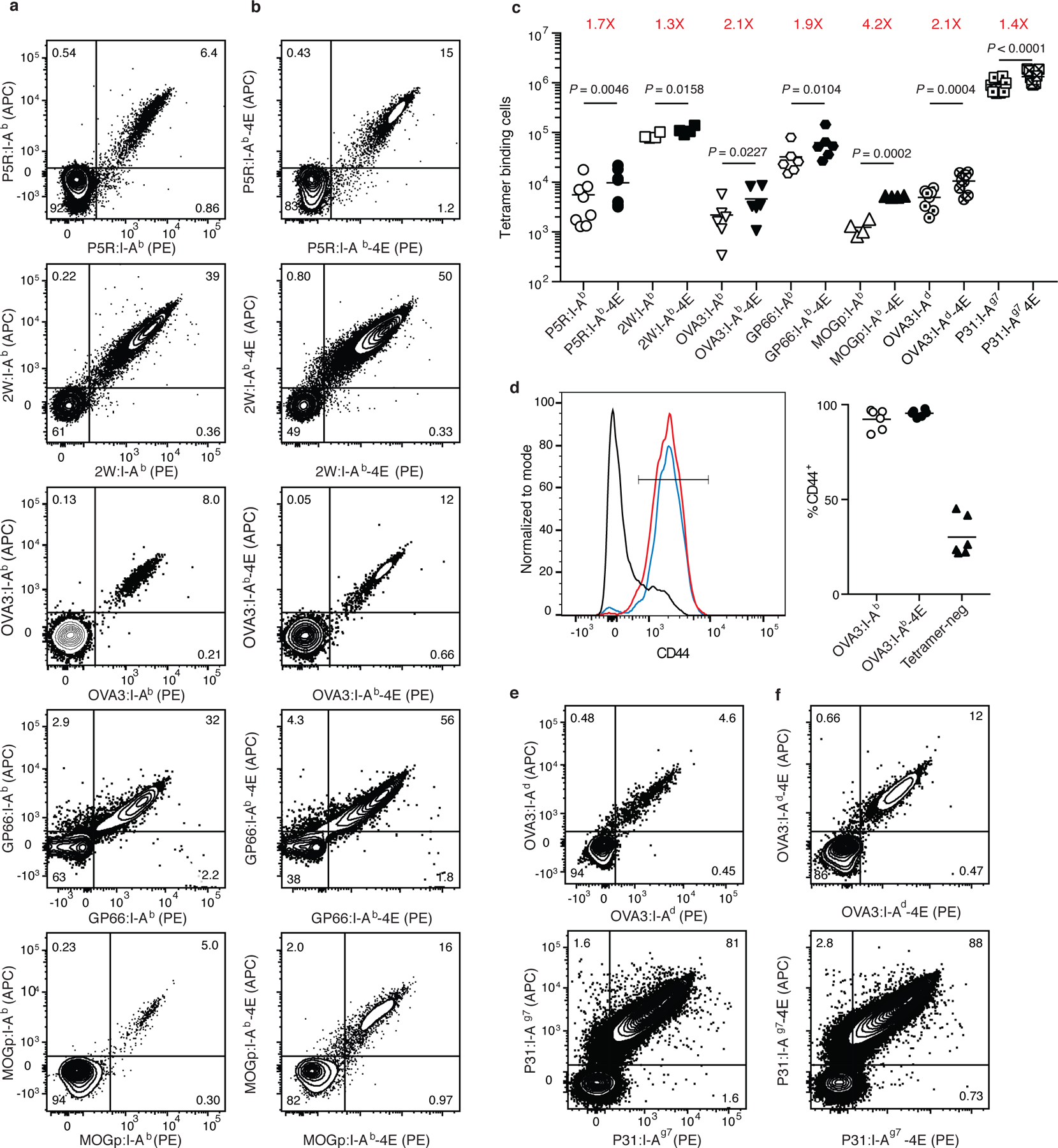
Fig 2. Detection of polyclonal CD4⁺ T cells in immunized mice using P:I-Ab-4E tetramers
Result 3: Engineered tetramers retain strict antigenic peptide specificity
Cross-validation experiments confirmed the peptide specificity of P:I-Ab-4E tetramers. B6 mice immunized with P5R or MOGp peptides were analyzed for CD44 expression and tetramer binding. As predicted, P5R-immunized mice showed expanded CD44^hi P5R:I-Ab-4E-binding cells (89 ± 3%) alongside CD44^lo MOGp:I-Ab-4E-binding cells (11 ± 2%), while MOGp-immunized mice exhibited the inverse pattern (87 ± 4% CD44^hi MOGp:I-Ab-4E⁺, 13 ± 3% P5R:I-Ab-4E⁺).
Critical cross-staining experiments revealed no cross-reactivity between P5R:I-Ab-4E and MOGp:I-Ab-4E tetramers in P5R-immunized mice, and vice versa in MOGp-immunized mice. Functional validation confirmed T cell activation (e.g., CD69 upregulation and cytokine secretion) only in mice injected with corresponding peptides, with irrelevant tetramer-binding cells remaining quiescent. These experiments conclusively demonstrated that P:I-Ab-4E tetramers strictly recognize antigen-specific T cell clones in a peptide-dependent manner, excluding nonspecific binding or MHC polymorphism-driven background signals.
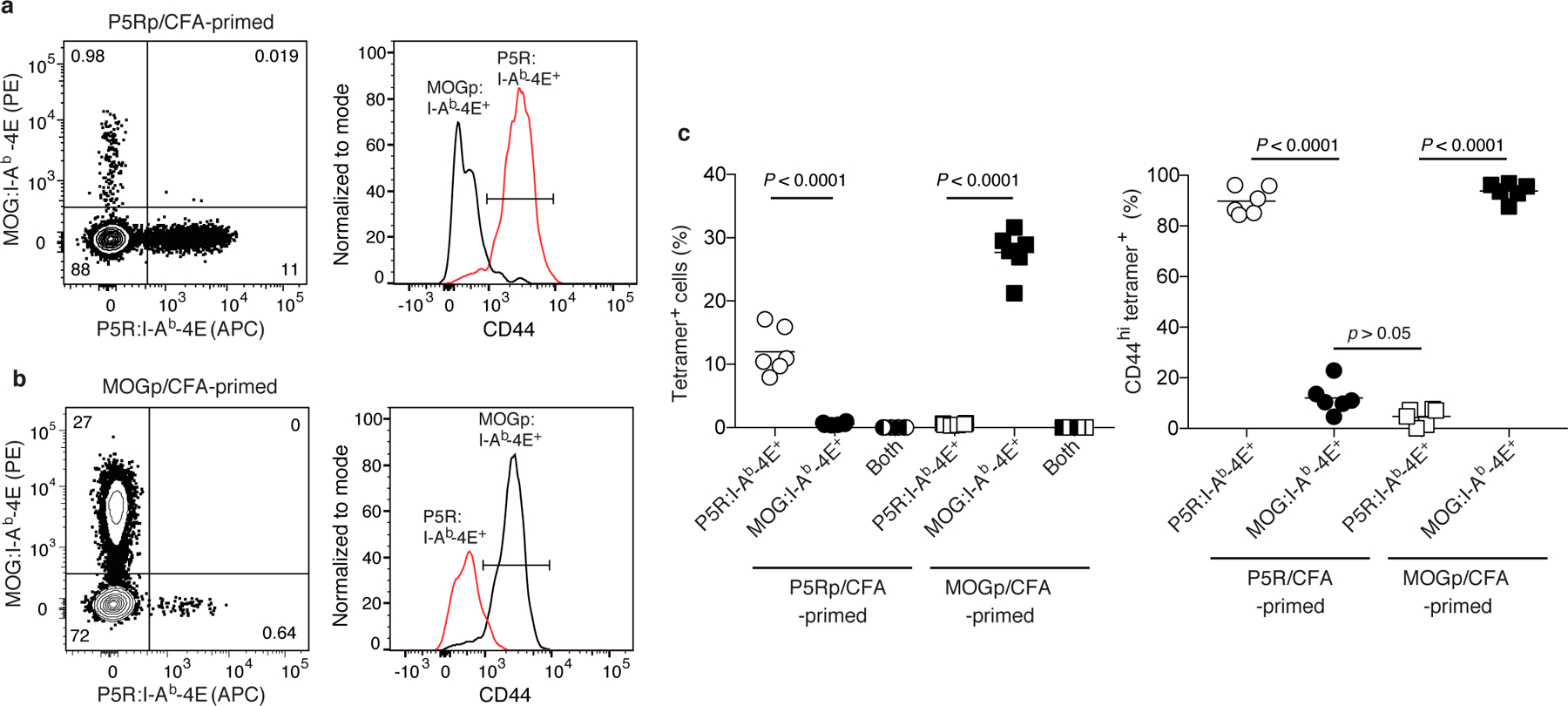
Fig 3. Peptide-specific detection of polyclonal CD4⁺ effector T cells by P:I-Ab-4E tetramers
Discussion
The technical breakthrough of CD4-affinity-enhanced tetramers enables precise analysis of epitope-specific CD4⁺ T cells that are difficult to detect with conventional methods. This innovation holds dual significance: First, these "invisible" T cell populations may harbor unique immune regulatory functions or epitope spreading potential, distinct from T cell repertoires detectable by traditional P:MHC class II tetramers, providing a new dimension for dissecting immune response heterogeneity. Second, the peptide-specific, CD4-binding-enhanced MHC class II platform established here lays the molecular foundation for developing next-generation immunomodulatory therapies. Compared to native MHC class II molecules, these engineered proteins can modulate CD4 costimulatory thresholds to selectively activate or suppress antigen-specific T cells, offering translational potential in autoimmune disease treatment, cancer immunotherapy, and vaccine optimization. This system not only expands the boundaries of adaptive immune response research but may also catalyze novel immune intervention strategies based on precise T cell epitope regulation.
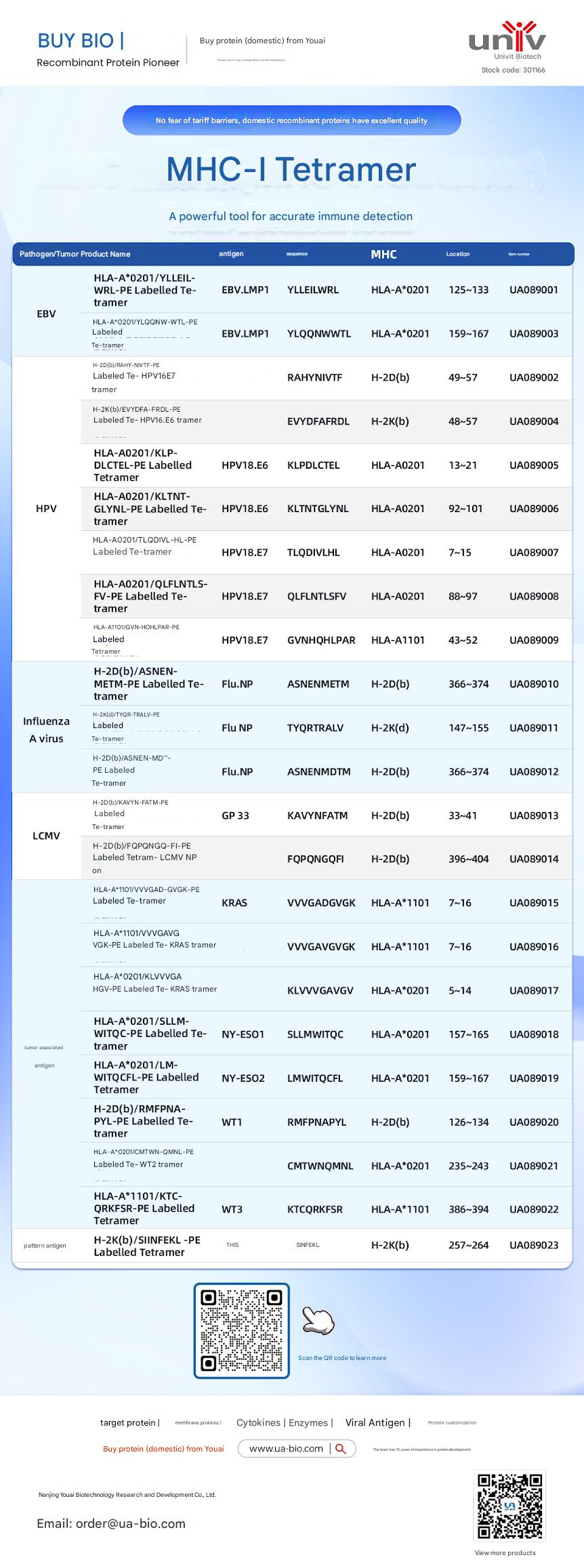
| Disease Category | Product Name | Antigen | Sequence | MHC | Position | Product Number |
|---|---|---|---|---|---|---|
| EBV | HLA-A*0201/YLELLVWRL-PE Labelled Tetramer | EBV.LMP1 | YLELLVWRL | HLA-A*0201 | 125-133 | UA089001 |
| EBV | HLA-A*0201/YLQQNWTL-PE Labelled Tetramer | EBV.LMP1 | YLQQNWTL | HLA-A*0201 | 159-167 | UA089003 |
| EBV | H-2Db(b)/RAHY-NIVTF-PE Labelled Tetramer | HPV16.E7 | RAHYNIVTF | H-2Db | 49-57 | UA089002 |
| HPV | H-2K(b)/EVYDFA-FRQL-PE Labelled Tetramer | HPV16.E6 | EVYDFARDL | H-2Kb | 48-57 | UA089004 |
| HPV | HLA-A*0201/KLP-DLCTL-PE Labelled Tetramer | HPV18.E6 | KLPDCTL | HLA-A*0201 | 13-21 | UA089005 |
| HPV | HLA-A*0201/KLTNT-GLYQL-PE Labelled Tetramer | HPV18.E6 | KLTNTGLYNL | HLA-A*0201 | 92-101 | UA089006 |
| HPV | HLA-A*0201/TLODIVIHL-PE Labelled Tetramer | HPV18.E7 | TLODIVIHL | HLA-A*0201 | 7~15 | UA089007 |
| HPV | HLA-A*0201/QFLNTL-FV-PE Labelled Tetramer | HPV18.E7 | QFLNTLFSV | HLA-A*0201 | 88-97 | UA089008 |
| HPV | HLA-A*1101/GVNHQLPAR-PE Labelled Tetramer | HPV18.E7 | GVNHQLPAR | HLA-A*1101 | 43-52 | UA089009 |
| Influenza A Virus | H-2D(b)/ASNENMETM-PE Labelled Tetramer | Flu.NP | ASNENMETM | H-2Db | 366-374 | UA089010 |
| Influenza A Virus | H-2K(d)/TYQR-TRALY-PE Labelled Tetramer | Flu.NP | TYQRTRALY | H-2Kd | 147-155 | UA089011 |
| Influenza A Virus | H-2D(b)/ASNEN-MDTM-PE Labelled Tetramer | Flu.NP | ASNENMDTM | H-2Db | 366-374 | UA089012 |
| LCMV | H-2D(b)/KAVYNFATM-PE Labelled Tetramer | GP 33 | KAVYNFATM | H-2Db | 33-41 | UA089013 |
| LCMV | H-2D(b)/FQPGQGFVK-PE Labelled Tetramer | LCMV NP | FQPGQGFVK | H-2Db | 396-404 | UA089014 |
| Tumor-related | HLA-A*1101/VVGADGVK-PE Labelled Tetramer | KRAS | VVGADGVK | HLA-A*1101 | 7~16 | UA089015 |
| Tumor-related | HLA-A*1101/VVGAGVGK-PE Labelled Tetramer | KRAS | VVGAGVGK | HLA-A*1101 | 7~16 | UA089016 |
| Tumor-related | HLA-A*0201/KLVVGAGV-PE Labelled Tetramer | KRAS | KLVVGAGV | HLA-A*0201 | 5~14 | UA089017 |
| Tumor-related | HLA-A*0201/SLLMWITQC-PE Labelled Tetramer | NY-ESO1 | SLLMWITQC | HLA-A*0201 | 157-165 | UA089018 |
| Melanoma | HLA-A*0201/LMWITQCFL-PE Labelled Tetramer | NY-ESO2 | LMWITQCFL | HLA-A*0201 | 159-167 | UA089019 |
| Melanoma | H-2Db(b)/MMFPNA-P1-PE Labelled Tetramer | WT1 | RMFPNAPL | H-2Db | 126-134 | UA089020 |
| Melanoma | HLA-A*0201/CMTWV-PE Labelled Tetramer | WT2 | CMTWVNMDM | HLA-A*0201 | 235-243 | UA089021 |
| Melanoma | HLA-A*1101/KTCQRKSF-PE Labelled Tetramer | WT3 | KTCQRKSF | HLA-A*1101 | 386-394 | UA089022 |
| Ovarian Cancer | H-2K(b)/SINFEKL-PE Labelled Tetramer | OVA | SINFEKL | H-2Kb | 257-264 | UA089023 |
This article is reviewed and published by the technical expert team of UA
Disclaimer: This article partially utilizes artificial intelligence assistance in its creation. If any content involves copyright or intellectual property issues, please let us know and we promise to verify and remove it as soon as possible.
Purchase recombinant protein, choose Nanjing UA-Bio
UA protein focuses on providing various protein reagents, raw materials, and services required for drug research and development, cell therapy, gene therapy, and basic scientific research, including drug target proteins, immune checkpoint proteins, cytokines, tool enzymes, customized protein expression, and full-length transmembrane protein development. Youai is committed to providing customers with high-quality products and professional services, and building a High-tech Biological Enterprise with International Competitiveness.







 Business license (three certificates in one)