




CA125: A "double-edged sword" and new hope for ovarian cancer diagnosis


In the field of medical testing, CA125 (cancer antigen 125) is a tumor marker that has received much attention. It was first discovered by Professor R. Bast in 1981 and is mainly used to detect ovarian cancer. However, CA125 is not an "exclusive marker" for ovarian cancer, and its increase may be associated with a variety of diseases. Today, let us take a deeper look at the "past and present" of CA125 and its new breakthroughs in the diagnosis of ovarian cancer.
- Recent Advances
- Product Information
CA125: A "double-edged sword" and new hope for ovarian cancer diagnosis
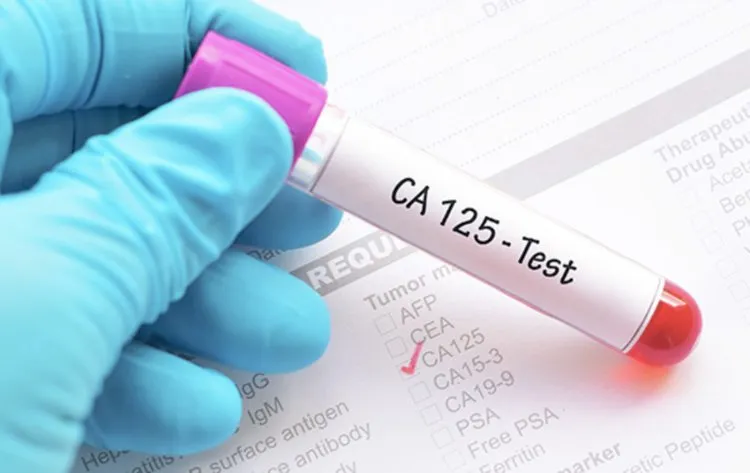
In the field of medical testing, CA125 (cancer antigen 125) is a tumor marker that has received much attention. It was first discovered by Professor R. Bast in 1981 and is mainly used to detect ovarian cancer.
However, CA125 is not an "exclusive marker" for ovarian cancer, and its increase may be associated with a variety of diseases. Today, let us take a deeper look at the "past and present" of CA125 and its new breakthroughs in the diagnosis of ovarian cancer.
The "double-edged sword" characteristics of CA125
CA125 is a glycoprotein that is mainly produced by tissues developed from the coelomic epithelium during the embryonic period. Under normal circumstances, the level of CA125 in the blood of healthy people is low. When the ovaries or fallopian tubes become cancerous, tumor cells will synthesize and secrete CA125 in large quantities, resulting in a significant increase in the level of CA125 in the blood. Therefore, CA125 is often used as a screening and monitoring indicator for ovarian cancer.
However, an increase in CA125 does not necessarily mean ovarian cancer. Many benign diseases, such as women's menstrual period, pregnancy, endometriosis, pelvic inflammatory disease, etc., may also cause elevated CA125 levels. In addition, diseases of the digestive system such as cirrhosis, chronic active hepatitis, acute heart failure, and even other cancers such as pancreatic cancer, lung cancer, and liver cancer may also cause elevated CA125 levels. This makes CA125 have certain limitations in the diagnosis of ovarian cancer, and it is prone to false positives or false negatives.
How is CA125 different in patients with ovarian cancer?
Although CA125 may be elevated in a variety of diseases, the molecular structure of CA125 in patients with ovarian cancer is unique. Studies have shown that CA125 molecules derived from ovarian cancer carry more Tn antigens (an O sugar chain). The presence of this sugar chain makes CA125 derived from ovarian cancer different in structure from CA125 derived from benign diseases.
In order to improve the specificity of CA125 in the diagnosis of ovarian cancer, scientists have developed a new detection method-CA125-Tn detection kit. Preliminary studies have shown that if CA125 and CA125-Tn are elevated at the same time, the patient's likelihood of developing ovarian cancer will increase significantly.
This discovery brings new hope for the early diagnosis and precise treatment of ovarian cancer.
CA125-Tn: New Hope for Ovarian Cancer Diagnosis
The emergence of CA125-Tn testing provides a more accurate tool for the diagnosis of ovarian cancer. By detecting the Tn antigen on the CA125 molecule, ovarian cancer and benign diseases can be distinguished more accurately. This method not only improves the accuracy of diagnosis, but also reduces the possibility of misdiagnosis.
In the future, scientists will continue to explore various glycosylated subtypes of CA125 to further improve the accuracy and reliability of ovarian cancer diagnosis. This will not only help to detect ovarian cancer early, but also provide patients with more personalized treatment options and improve patient prognosis.
Conclusion
As an important tumor marker, CA125 plays an irreplaceable role in the diagnosis of ovarian cancer. However, it is not perfect, and its elevation does not necessarily mean ovarian cancer. With the continuous advancement of medical technology, the emergence of CA125-Tn testing has brought new breakthroughs in the diagnosis of ovarian cancer. We look forward to more innovative technologies in the future to help doctors diagnose ovarian cancer more accurately and bring more hope and good news to patients. If you or your family members have related symptoms, it is recommended to seek medical attention in time and ask your doctor whether CA125 and related tests are needed to better understand your health status.
This article is reviewed and published by the technical expert team of UA
Disclaimer: This article partially utilizes artificial intelligence assistance in its creation. If any content involves copyright or intellectual property issues, please let us know and we promise to verify and remove it as soon as possible.
Purchase recombinant protein, choose Nanjing UA-Bio
UA protein focuses on providing various protein reagents, raw materials, and services required for drug research and development, cell therapy, gene therapy, and basic scientific research, including drug target proteins, immune checkpoint proteins, cytokines, tool enzymes, customized protein expression, and full-length transmembrane protein development. Youai is committed to providing customers with high-quality products and professional services, and building a High-tech Biological Enterprise with International Competitiveness.







 Business license (three certificates in one)