




CD19: The "star target" of B cell immunotherapy


In the field of immunotherapy, CD19 has become a highly anticipated "star target". Scientists, clinicians and patients have high hopes for it. So, why is CD19 so important? What role does it play in immunotherapy? Today, let us step into the world of CD19 and unveil its mystery.
- Recent Advances
- Product Information
CD19: The "star target" of B cell immunotherapy
In the field of immunotherapy, CD19 has become a highly anticipated "star target". Scientists, clinicians and patients have high hopes for it. So, why is CD19 so important? What role does it play in immunotherapy? Today, let us step into the world of CD19 and unveil its mystery.
CD19: "identity tag" of B cells
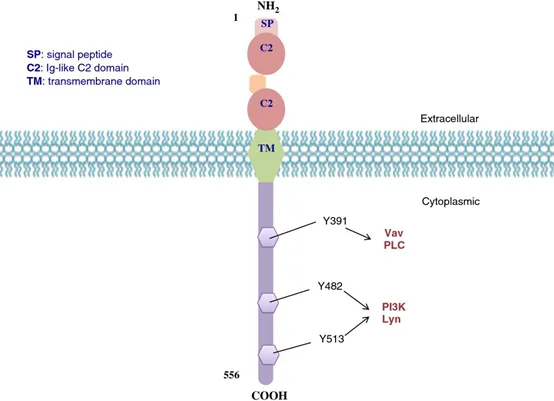
CD19 is a transmembrane protein on the surface of B cells and belongs to the immunoglobulin superfamily. It is like an "identity tag" of B cells, and has been accompanying them throughout their maturation process since the early stages of B cell development. CD19 is not only expressed in normal B cells, but also highly conservatively expressed in most B cell tumors. This makes it one of the most reliable surface biomarkers of B cells.
The "dual mission" of CD19
CD19 plays a key role in the activation and signaling of B cells. It regulates the development, proliferation and differentiation of B cells by binding to the B cell receptor (BCR) and other surface molecules. CD19 forms a BCR complex with CD21, CD81 and CD225, which reduces the BCR-mediated B cell activation threshold. When complement binds through BCR-CD19/CD21, the activation signal of B cells is further enhanced.
CD19 is not only an adaptor protein that recruits signaling proteins in the cytoplasm to the membrane, but also enhances the amplification signal transduction of B cells by recruiting and activating PI3K and downstream Akt kinase after BCR activation. This dual role makes CD19 play an indispensable role in the signal transduction of B cells.
CD19: An ideal target for tumor treatment
CD19 is highly expressed in most B cell tumors, including acute lymphoblastic leukemia (ALL), chronic lymphocytic leukemia (CLL) and B cell lymphoma. This specific expression makes CD19 an ideal target for tumor treatment. At present, there are 197 new drugs targeting CD19 in clinical trials worldwide, covering a variety of innovative therapies, such as Fc engineered antibodies, bispecific antibodies (BiTEs), antibody-drug conjugates (ADCs) and CAR-T cell therapies.
The potential of CD19 in autoimmune diseases
In addition to its application in tumor treatment, CD19 also shows great potential in autoimmune diseases. Mutations in CD19 are associated with severe immunodeficiency syndromes, and its defects lead to reduced antibody production and impaired overall humoral immune responses. Therefore, CD19 may play an important role in regulating MHC class II expression and signaling, and is expected to become a potential target for the treatment of autoimmune diseases such as rheumatoid arthritis and multiple sclerosis.
CD19: A new breakthrough in ADC therapy
Antibody-drug conjugates (ADCs) are innovative therapies that combine chemotherapy drugs with antibodies, and deliver chemotherapy drugs precisely to tumor cells through the targeting effect of antibodies. In April 2021, the first ADC drug targeting CD19, Loncastuximab tesirine, was approved for marketing for the treatment of relapsed or refractory large B-cell lymphoma. This breakthrough provides a new option for the treatment of CD19 targets.
Future Outlook
As a "star target" for B cell immunotherapy, CD19 shows great potential in both tumors and autoimmune diseases. With more in-depth research and technological breakthroughs, the treatment strategy of CD19 targets will continue to be optimized, bringing more hope and options to patients. In the future, the CD19-mediated internalization process and its specific mechanism of action in different therapies will be an important direction for scientists to continue to explore. Let us look forward to more surprises from CD19 in the field of immunotherapy!
This article is reviewed and published by the technical expert team of UA
Disclaimer: This article partially utilizes artificial intelligence assistance in its creation. If any content involves copyright or intellectual property issues, please let us know and we promise to verify and remove it as soon as possible.
Purchase recombinant protein, choose Nanjing UA-Bio
UA protein focuses on providing various protein reagents, raw materials, and services required for drug research and development, cell therapy, gene therapy, and basic scientific research, including drug target proteins, immune checkpoint proteins, cytokines, tool enzymes, customized protein expression, and full-length transmembrane protein development. Youai is committed to providing customers with high-quality products and professional services, and building a High-tech Biological Enterprise with International Competitiveness.







 Business license (three certificates in one)