




CEACAM-5: A new target for cancer treatment


In the long journey of cancer treatment, scientists have been looking for targets that can accurately attack cancer cells. CEACAM-5 (carcinoembryonic antigen-related cell adhesion molecule 5), as one of the targets that has attracted much attention in recent years, is gradually showing its great potential in tumor treatment.
- Recent Advances
- Product Information
CEACAM-5: A new target for cancer treatment
In the long journey of cancer treatment, scientists have been looking for targets that can accurately attack cancer cells. CEACAM-5 (carcinoembryonic antigen-related cell adhesion molecule 5), as one of the targets that has attracted much attention in recent years, is gradually showing its great potential in tumor treatment.
CEACAM-5: A "unique label" for cancer cells
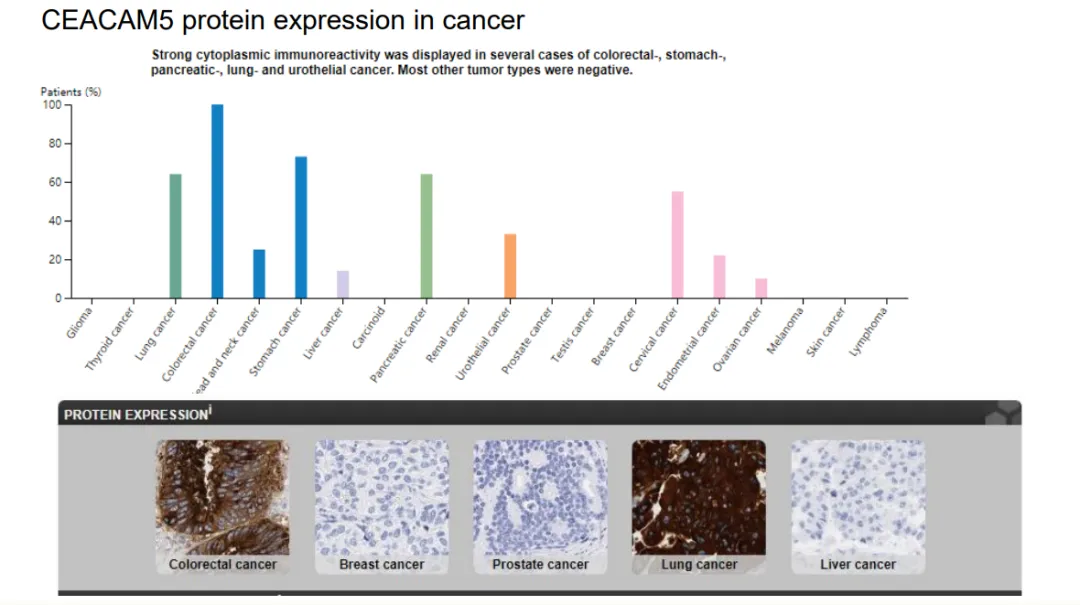
CEACAM-5 is a cell surface glycoprotein that belongs to the carcinoembryonic antigen (CEA) family. Its expression in normal tissues is very limited, but it is widely present in a variety of solid tumors, especially in colorectal cancer (CRC), where more than 80% of patients express CEACAM-5 on the surface of tumor cells.
This unique expression pattern makes CEACAM-5 an ideal target for cancer treatment because it can help drugs accurately identify and attack cancer cells while reducing damage to normal cells.
Anti-CEACAM-5 monoclonal antibody/SN-38 adduct: a "missile" that precisely strikes cancer cells
In recent years, a new type of antibody-drug adduct (ADC) - anti-CEACAM-5 monoclonal antibody/SN-38 adduct, is bringing new hope to cancer treatment. This ADC consists of two parts: one is a monoclonal antibody that can specifically bind to CEACAM-5, and the other is the cytotoxic drug SN-38. SN-38 is an active metabolite of irinotecan and has strong anti-cancer activity, but due to its high toxicity, it is often limited when used alone. The anti-CEACAM-5 monoclonal antibody/SN-38 adduct combines SN-38 with a monoclonal antibody to accurately deliver the drug to cancer cells, thereby significantly reducing toxicity to normal tissues while improving efficacy.
Clinical research: showing therapeutic potential
In a study of refractory recurrent metastatic colorectal cancer (mCRC), the anti-CEACAM-5 monoclonal antibody/SN-38 adduct showed encouraging therapeutic effects. In the study, patients received different doses of treatment, and the results showed that the drug was able to shrink tumors in some patients, and some patients even achieved partial remission, with the treatment response lasting for several months. In addition, the drug was well tolerated and had controllable toxicity, especially compared with traditional irinotecan, which caused significantly fewer adverse reactions such as severe diarrhea. These results show that anti-CEACAM-5 monoclonal antibody/SN-38 adducts have significant advantages in the treatment of advanced colorectal cancer.
Future Outlook: More Possibilities
With the continuous deepening of research on CEACAM-5 and its related ADC drugs, scientists are exploring more potential application directions. For example, studies have found that anti-CEACAM-5 monoclonal antibody/SN-38 adducts can produce synergistic effects when used in combination with other drugs such as bevacizumab, further improving the therapeutic effect. In addition, scientists are also working to optimize the dosage and administration regimen of the drug in order to achieve the best therapeutic effect and safety.
As a target widely expressed in many cancers, CEACAM-5 provides a new direction for cancer treatment. The emergence of anti-CEACAM-5 monoclonal antibody/SN-38 adducts not only brings new hope to colorectal cancer patients, but also provides new ideas for the treatment of other solid tumors. In the future, with the development of more related research and technological breakthroughs, the CEACAM-5 target is expected to play a greater role in cancer treatment and bring more benefits to patients.
This article is reviewed and published by the technical expert team of UA
Disclaimer: This article partially utilizes artificial intelligence assistance in its creation. If any content involves copyright or intellectual property issues, please let us know and we promise to verify and remove it as soon as possible.
Purchase recombinant protein, choose Nanjing UA-Bio
UA protein focuses on providing various protein reagents, raw materials, and services required for drug research and development, cell therapy, gene therapy, and basic scientific research, including drug target proteins, immune checkpoint proteins, cytokines, tool enzymes, customized protein expression, and full-length transmembrane protein development. Youai is committed to providing customers with high-quality products and professional services, and building a High-tech Biological Enterprise with International Competitiveness.







 Business license (three certificates in one)