




Cholera toxin B subunit: from pathogenic factor to medical star


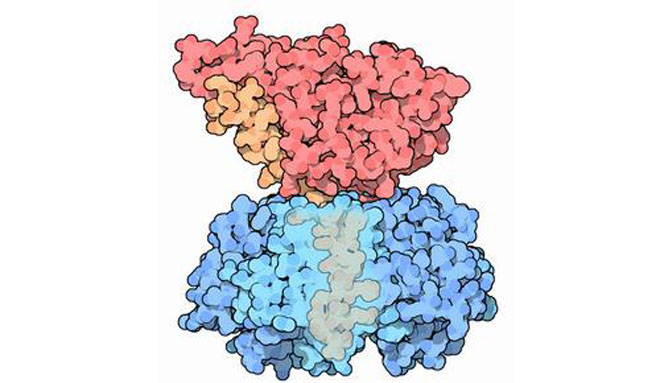
Cholera, a disease that once frightened countless people, is an acute intestinal infectious disease caused by Vibrio cholerae. Cholera toxin (CT) is one of the main pathogenic factors of Vibrio cholerae. It is composed of A subunit and B subunit.
- Recent Advances
- Product Information
Cholera toxin B subunit: from pathogenic factor to medical star
Cholera, a disease that once frightened countless people, is an acute intestinal infectious disease caused by Vibrio cholerae. Cholera toxin (CT) is one of the main pathogenic factors of Vibrio cholerae. It is composed of A subunit and B subunit. Among them, cholera toxin B subunit (CTB) not only plays a key role in the pathogenesis of cholera, but also shows great potential in medical research and treatment, becoming a dazzling medical star.
Cholera toxin B subunit: the "invasion pioneer" of Vibrio cholerae
Cholera toxin B subunit is one of the components of cholera toxin, which has extremely strong binding ability. CTB can specifically bind to GM1 ganglioside on the surface of human intestinal cells, thereby helping cholera toxin enter the cell. Once entering the cell, cholera toxin A subunit will activate the intracellular signaling pathway, leading to a large loss of electrolytes and water in the cell, causing severe diarrhea and dehydration, which are the main symptoms of cholera.
Cholera toxin B subunit: the transition from pathogenicity to treatment
Although cholera toxin B subunit plays an important role in the pathogenesis of cholera, scientists have found that CTB itself is not toxic. On the contrary, it has many unique biological properties that can be cleverly used in medical research and treatment.
1. As a drug delivery carrier
CTB's specific binding ability makes it an ideal drug delivery carrier. Scientists can combine CTB with drugs and use its high affinity with GM1 ganglioside to accurately deliver drugs to target cells. This method can not only improve the efficacy of drugs, but also reduce the distribution of drugs in non-target tissues and reduce side effects. For example, in cancer treatment, CTB can be used to deliver anticancer drugs directly into tumor cells, thereby improving the therapeutic effect and reducing damage to normal cells.
2. As a vaccine adjuvant
CTB also has an immunomodulatory effect and can be used as a vaccine adjuvant to enhance the immune effect of vaccines. An adjuvant is a substance that can enhance the immune system's response to vaccine antigens. CTB can enhance the activation and proliferation of immune cells by activating dendritic cells in the immune system, thereby improving the immunogenicity of vaccines. This property makes CTB have broad application prospects in the development of new vaccines, especially in the prevention of some difficult-to-control infectious diseases such as AIDS and malaria.
3. As a neuroregeneration promoter
In recent years, scientists have also found that CTB has potential application value in neuroregeneration. Studies have shown that CTB can promote the growth and regeneration of nerve cells by activating signaling pathways in nerve cells. This discovery provides new ideas for the treatment of neurodegenerative diseases such as Alzheimer's disease and Parkinson's disease. By utilizing the neuroregeneration properties of CTB, scientists hope to develop new treatments to help patients restore neurological function.
Cholera toxin B subunit: a new favorite in medical research
These unique properties and potential applications of cholera toxin B subunit make it a new favorite in medical research. Scientists are actively exploring the application of CTB in different fields, hoping to develop more new treatments and drugs based on CTB. From drug delivery to vaccine development to neuroregeneration, the potential of CTB is being gradually tapped.
Conclusion
Cholera toxin B subunit, the pathogenic factor that once caused humans to suffer from cholera, is now showing great potential in medical research. It not only provides new ideas for drug delivery, vaccine development and nerve regeneration, but also brings new hope for the treatment of various diseases. As scientists further study and explore CTB, it is believed that it will play a more important role in the future medical field and bring more benefits to human health.
This article is reviewed and published by the technical expert team of UA
Disclaimer: This article partially utilizes artificial intelligence assistance in its creation. If any content involves copyright or intellectual property issues, please let us know and we promise to verify and remove it as soon as possible.
Purchase recombinant protein, choose Nanjing UA-Bio
UA protein focuses on providing various protein reagents, raw materials, and services required for drug research and development, cell therapy, gene therapy, and basic scientific research, including drug target proteins, immune checkpoint proteins, cytokines, tool enzymes, customized protein expression, and full-length transmembrane protein development. Youai is committed to providing customers with high-quality products and professional services, and building a High-tech Biological Enterprise with International Competitiveness.







 Business license (three certificates in one)