




Cardiac troponin I: "Alarm" of myocardial injury


In the complex physiological system of the human body, the health of the heart is of vital importance. As a key biomarker, cardiac troponin I (cTnI) is gradually becoming an "alarm" for heart health, playing an important role in the diagnosis, treatment and prognosis of heart disease.
- Recent Advances
- Product Information
Cardiac troponin I: "Alarm" of myocardial injury
In the complex physiological system of the human body, the health of the heart is of vital importance. As a key biomarker, cardiac troponin I (cTnI) is gradually becoming an "alarm" for heart health, playing an important role in the diagnosis, treatment and prognosis of heart disease.
What is cTnI?
ardial troponin I (cTnI) is a subunit of the troponin complex, mainly present in myocardial cells. It forms the troponin complex together with troponin T (TnT) and troponin C (TnC), and participates in the contraction regulation of myocardial and skeletal muscles. There are three subtypes of cTnI, among which cardiac troponin I (cTnI) is a marker specific to myocardial cells.
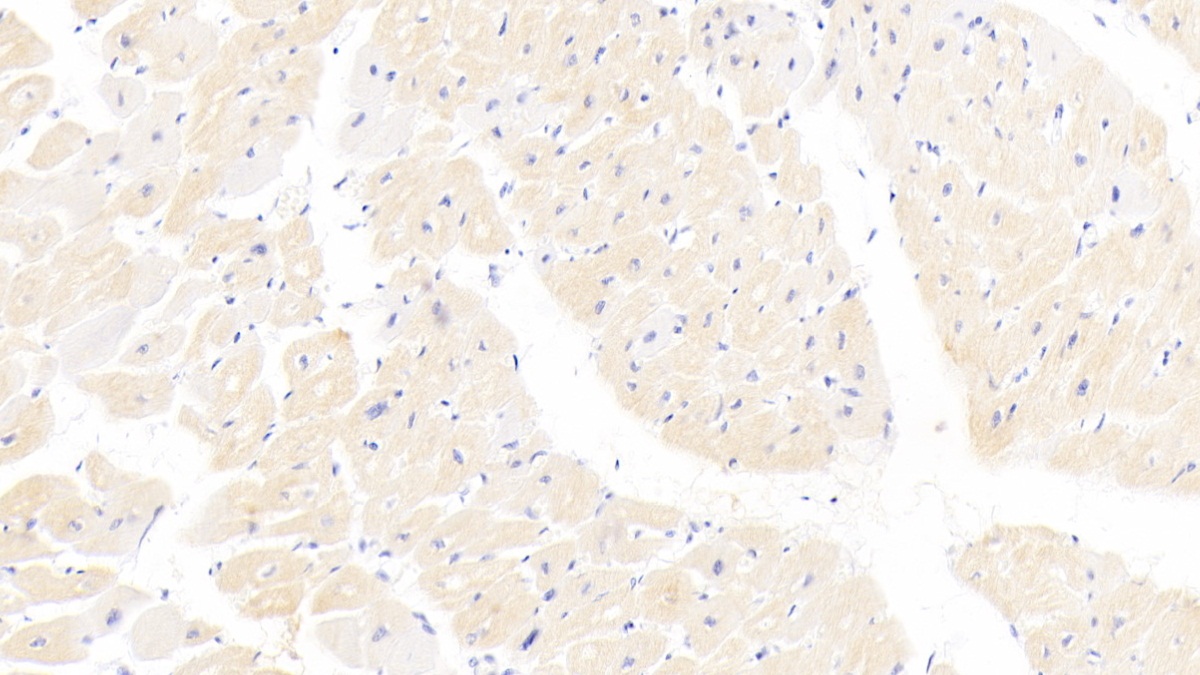
cTnI and myocardial injury
Under normal circumstances, cTnI mainly binds to TnC, exists in myocardial cells, and is almost undetectable in plasma. However, when the myocardium is damaged due to ischemia and hypoxia, cTnI enters the blood circulation through the damaged cell membrane. Studies have shown that within 3 to 12 hours after myocardial injury, plasma cTnI levels can rise to 5 to 50 times that of normal people and can last for a week or longer. This significant increase makes cTnI a sensitive indicator for detecting myocardial injury.
Application of cTnI in the diagnosis of heart disease
cTnI has extremely high value in the early diagnosis of myocardial infarction. The plasma cTnI level of patients with myocardial infarction increased significantly 4 hours after onset, reaching a peak at 18 hours, and the abnormal increase can last for 6 to 8 days. Its specificity for diagnosing myocardial infarction is as high as 96%, and its sensitivity is 97%, which is much higher than traditional indicators such as lactate dehydrogenase and creatine kinase. In addition, cTnI can effectively distinguish myocardial injury from skeletal muscle injury, providing a more accurate basis for clinical diagnosis.
In patients with myocarditis, cTnI levels are also significantly increased. Studies have found that the increase in plasma cTnI levels in patients with myocarditis is more sensitive than traditional CK-MB, and can be used as a specific and sensitive indicator of myocardial injury in myocarditis.
The significance of cTnI in the treatment and prognosis of heart disease
cTnI not only plays an important role in diagnosis, but also provides an important reference for the treatment and prognosis of heart disease. For example, in patients with heart failure, the increase in plasma cTnI levels is closely related to the severity of the disease. Continuous monitoring of cTnI levels can help doctors adjust treatment plans in a timely manner and predict the prognosis of patients.
For patients with unstable angina, measuring changes in serum cTnI can help predict the occurrence of myocardial infarction. In patients with acute coronary syndrome, the determination of plasma cTnI levels can provide prognostic information and early identification of patients at risk of death.
Prospects for the clinical application of cTnI
With the continuous advancement of detection technology, the detection of cTnI is becoming more and more convenient and accurate. Its high sensitivity and specificity in the diagnosis of myocardial injury make it an important tool for clinicians. In the future, cTnI is expected to play a greater role in the early diagnosis and personalized treatment of more heart diseases.
In short, as an "alarm" for myocardial injury, cardiac troponin I (cTnI) has irreplaceable and important value in the diagnosis, treatment and prognosis of heart disease. Understanding cTnI is an additional safeguard for heart health.
This article is reviewed and published by the technical expert team of UA
Disclaimer: This article partially utilizes artificial intelligence assistance in its creation. If any content involves copyright or intellectual property issues, please let us know and we promise to verify and remove it as soon as possible.
Purchase recombinant protein, choose Nanjing UA-Bio
UA protein focuses on providing various protein reagents, raw materials, and services required for drug research and development, cell therapy, gene therapy, and basic scientific research, including drug target proteins, immune checkpoint proteins, cytokines, tool enzymes, customized protein expression, and full-length transmembrane protein development. Youai is committed to providing customers with high-quality products and professional services, and building a High-tech Biological Enterprise with International Competitiveness.







 Business license (three certificates in one)