




Epidermal Growth Factor (EGF): The "superhero" that protects intestinal health


In modern animal husbandry, the intestinal health of animals is the key to successful breeding. The intestine is not only the main place for nutrient digestion and absorption, but also bears the heavy responsibility of mucosal immunity, barrier function and microecological balance.
- Recent Advances
- Product Information
Epidermal Growth Factor (EGF): The "superhero" that protects intestinal health
In modern animal husbandry, the intestinal health of animals is the key to successful breeding. The intestine is not only the main place for nutrient digestion and absorption, but also bears the heavy responsibility of mucosal immunity, barrier function and microecological balance. With the ban on antibiotics in feed, it has become more important to ensure the intestinal health of animals. In recent years, a bioactive substance called epidermal growth factor (EGF) has gradually become a research hotspot, and it has shown great potential in promoting the healthy development of the intestine.
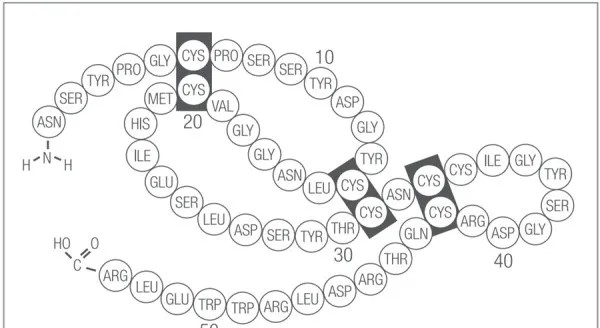
EGF: The "Guardian" of Intestinal Health
Epidermal growth factor (EGF) is a protein substance that can stimulate cell growth, proliferation, differentiation and migration. It activates the signaling pathway in the cell by binding to receptors on the cell membrane, thereby affecting the function and fate of the cell. EGF is widely present in mammalian tissues, especially in breast milk. During lactation, EGF in breast milk not only nourishes the cubs, but also helps them resist external antigen threats and guide the normal development of intestinal cells.
Psromote digestion and absorption of nutrient
The role of EGF in intestinal health is first reflected in promoting the digestion and absorption of nutrients. Studies have shown that EGF can increase the activity of digestive enzymes such as maltase in the brush border of the intestine, thereby improving the digestion efficiency of carbohydrates. In addition, EGF can also upregulate the intestinal transport capacity of substances such as Na+, Cl-, Ca2+ and glucose, and enhance the intestinal absorption efficiency of nutrients. In the injured intestine, EGF can also upregulate the active transport capacity of phosphate, helping the intestine to restore normal digestion and absorption function faster.
Maintaining intestinal barrier function
The intestinal mucosa is the largest contact surface between the body and the external environment, and it is also the first line of defense against the invasion of pathogenic microorganisms and toxins. EGF plays an important role in maintaining intestinal barrier function. It can regulate the tight junctions of the intestine and induce the expression of barrier function proteins such as hyperglycemia factor-2 (GLP-2), keratinocyte growth factor (KGF), mucin 2 (Muc2) and interleukin. These proteins work together to promote the development of normal mucosa and the repair of damaged mucosa, thereby protecting the intestine from external harmful substances.
Anti-inflammatory effect: Reduce intestinal inflammatory response
In addition to promoting nutrient absorption and maintaining barrier function, EGF also has significant anti-inflammatory effects. In intestinal inflammatory reactions, EGF can inhibit excessive immune responses and reduce inflammatory damage. By reducing the release of inflammatory factors, EGF can effectively relieve intestinal inflammation and protect the integrity of the intestinal mucosa. This characteristic makes EGF have important application value in the prevention and treatment of intestinal infections.
Application prospects of EGF
With the in-depth understanding of the function of EGF, its application prospects in the field of animal intestinal health are becoming increasingly broad. In the early intestinal development stage of animals, EGF can promote the proliferation and differentiation of intestinal cells and help the intestines establish normal digestion and absorption functions faster. For intestinal damage and infection, EGF can accelerate the recovery of the intestine by promoting mucosal repair and anti-inflammatory effects. In addition, EGF can also synergize with other intestinal active factors (such as GLP-2, trefoil factor, etc.) to further enhance the protective function of the intestine.
Conclusion: Escort animal health
Epidermal growth factor (EGF), as a natural bioactive substance, is gradually becoming an important tool in modern animal husbandry due to its significant effect in promoting healthy intestinal development.
Through scientific feeding management, reasonable feed ratios and appropriate additive applications, EGF is expected to provide more comprehensive protection for animal intestinal health. In the future, as more relevant research deepens and technology matures, EGF will play a greater role in protecting animal health, improving production efficiency and reducing the incidence of diseases. Let us look forward to this "superhero" protecting animal health and injecting new impetus into the sustainable development of modern animal husbandry.
This article is reviewed and published by the technical expert team of UA
Disclaimer: This article partially utilizes artificial intelligence assistance in its creation. If any content involves copyright or intellectual property issues, please let us know and we promise to verify and remove it as soon as possible.
Purchase recombinant protein, choose Nanjing UA-Bio
UA protein focuses on providing various protein reagents, raw materials, and services required for drug research and development, cell therapy, gene therapy, and basic scientific research, including drug target proteins, immune checkpoint proteins, cytokines, tool enzymes, customized protein expression, and full-length transmembrane protein development. Youai is committed to providing customers with high-quality products and professional services, and building a High-tech Biological Enterprise with International Competitiveness.







 Business license (three certificates in one)