




EGFR targeted therapy: a "weapon" for precision medicine for lung cancer


In the battlefield of lung cancer treatment, molecular targeted therapy is like a precise "sniper", which brings new hope to patients with its ability to kill tumor cells efficiently and selectively. In particular, targeted drugs targeting epidermal growth factor receptor (EGFR) have become an important part of non-small cell lung cancer (NSCLC) treatment.
- Recent Advances
- Product Information
EGFR targeted therapy: a "weapon" for precision medicine for lung cancer
In the battlefield of lung cancer treatment, molecular targeted therapy is like a precise "sniper", which brings new hope to patients with its ability to kill tumor cells efficiently and selectively. In particular, targeted drugs targeting epidermal growth factor receptor (EGFR) have become an important part of non-small cell lung cancer (NSCLC) treatment.
EGFR: a key target for lung cancer treatment
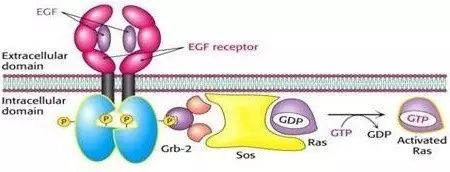
Epidermal growth factor receptor (EGFR) is a protein overexpressed on the surface of many cancer cells, which plays a key role in cell growth, division and survival. In non-small cell lung cancer (NSCLC), the mutation status of the EGFR gene is an important indicator for predicting the efficacy of targeted drugs. Studies have shown that EGFR gene mutations vary significantly in different pathological types, races and genders. Therefore, accurate genetic testing is essential for selecting appropriate targeted therapy.
EGFR targeted drugs: precise attack on tumor cells
EGFR targeted drugs (EGFR-TKIs) inhibit the activity of EGFR and block the growth signals of cancer cells, thereby inhibiting the growth and spread of tumors. These drugs can not only significantly improve patients' progression-free survival and overall survival, but also reduce damage to normal tissues and improve patients' quality of life.
However, the metabolic process of EGFR targeted drugs is relatively complex, and they are mainly metabolized by the cytochrome P450 (CYP) enzyme system in the liver. The CYP enzyme system includes multiple enzymes such as CYP1A2, CYP2A6, CYP2C9, CYP2C19, CYP2D6, CYP2E1 and CYP3A4. Among them, CYP3A4 is the most important metabolic enzyme, and more than 50% of drugs are metabolized by it; enzymes such as CYP2D6 and CYP2C9 are also involved in the metabolic process of some drugs.
Drug interactions: key factors affecting efficacy and safety
Because EGFR targeted drugs are mainly metabolized by the CYP enzyme system, they may interact with many other drugs. These interactions may affect the efficacy and safety of the drugs. For example, when used in combination with CYP enzyme inhibitors, the blood concentration of EGFR targeted drugs may increase, thereby increasing the risk of adverse reactions; when used in combination with CYP enzyme inducers, the metabolism of the drug may be accelerated, resulting in decreased efficacy, and may even cause disease progression or recurrence.
Precautions in clinical application
In clinical practice, doctors need to carefully evaluate other drugs that patients are taking to avoid potential drug interactions. For example, afatinib is an EGFR targeted drug that is not metabolized by the CYP enzyme system, so it has fewer interactions with other drugs. However, other EGFR targeted drugs require special attention to the use with CYP enzyme inducers or inhibitors.
In addition, for patients who need to use P-glycoprotein inhibitors, staggered dosing should be used to extend the interval with EGFR targeted drugs as much as possible to reduce the risk of drug interactions.
Future Outlook: Continuous Progress in Precision Medicine
With a deeper understanding of EGFR gene mutations and the metabolic mechanism of targeted drugs, future lung cancer treatment will be more precise and personalized. Through accurate genetic testing and drug metabolism monitoring, doctors can choose the most suitable treatment plan for each patient to maximize efficacy and reduce adverse reactions.
Conclusion: Bringing new hope to lung cancer patients
EGFR targeted therapy is an important part of precision medicine for lung cancer. Through accurate genetic testing and reasonable drug selection, EGFR targeted drugs have brought significant survival benefits to patients. However, drug interactions are still an important issue that needs to be paid attention to in clinical applications. In the future, with more in-depth research and technological advances, EGFR targeted therapy is expected to bring greater hope to lung cancer patients, helping them to overcome the disease and regain health.
This article is reviewed and published by the technical expert team of UA
Disclaimer: This article partially utilizes artificial intelligence assistance in its creation. If any content involves copyright or intellectual property issues, please let us know and we promise to verify and remove it as soon as possible.
Purchase recombinant protein, choose Nanjing UA-Bio
UA protein focuses on providing various protein reagents, raw materials, and services required for drug research and development, cell therapy, gene therapy, and basic scientific research, including drug target proteins, immune checkpoint proteins, cytokines, tool enzymes, customized protein expression, and full-length transmembrane protein development. Youai is committed to providing customers with high-quality products and professional services, and building a High-tech Biological Enterprise with International Competitiveness.







 Business license (three certificates in one)