




Endo H: The "key" to unlock the mystery of glycosylation


In the microscopic world of biomedical research, glycosylation is a modification process that is widely present on proteins, and it plays a vital role in the structure, function and stability of proteins. As a powerful tool for studying glycosylation, Endo H (endoglycosidase H) is gradually entering the field of vision of scientists and becoming an important "key" to explore the mysteries of cells.
- Recent Advances
- Product Information
Endo H: The "key" to unlock the mystery of glycosylation
In the microscopic world of biomedical research, glycosylation is a modification process that is widely present on proteins, and it plays a vital role in the structure, function and stability of proteins. As a powerful tool for studying glycosylation, Endo H (endoglycosidase H) is gradually entering the field of vision of scientists and becoming an important "key" to explore the mysteries of cells.
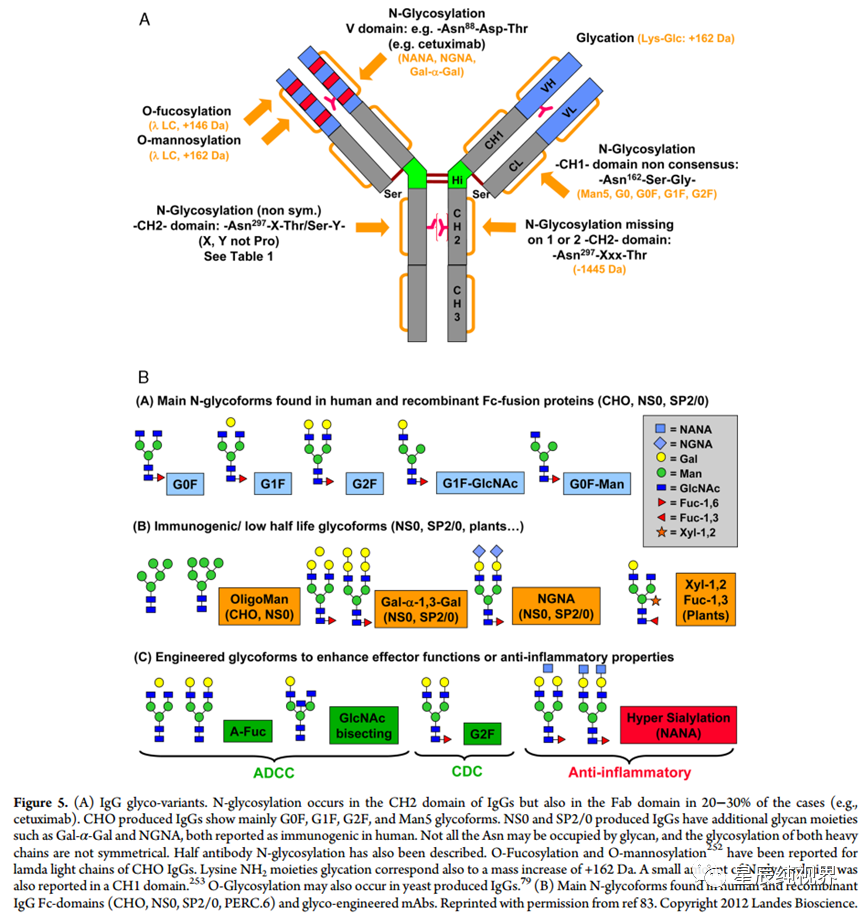
Glycosylation: the "decorative art" of protein
Glycosylation refers to the process by which sugar chains are attached to proteins through covalent bonds. This modification is widely present on proteins on the cell surface, especially in secretory proteins and membrane proteins. Glycosylation can not only increase the stability of proteins, but also regulate the folding, transportation and function of proteins. For example, glycosylated proteins play a key role in cell recognition, signal transduction and immune response.
However, the complexity of glycosylation also brings challenges to research. The structure of sugar chains is diverse, and their modification process is regulated by many factors, including enzyme activity in cells, cellular environment and gene expression. Therefore, scientists need a method that can accurately analyze and study glycosylation, and Endo H is such a tool.
Endo H: A "weapon" for glycosylation research
Endo H is an endoglycosidase that can specifically cut specific glycosidic bonds in sugar chains. It mainly acts on high-mannose sugar chains, which are usually found in the endoplasmic reticulum and Golgi apparatus. The specificity of Endo H makes it an ideal tool for studying the glycosylation process of proteins. Through Endo H treatment, scientists can analyze the structural changes of sugar chains to reveal the transport pathways and maturation processes of proteins in cells.
Application of Endo H in research
Endo H is widely used in biomedical research. For example, when studying the glycosylation of cell surface receptors, Endo H can help scientists understand how receptors regulate their functions through glycosylation modifications. In addition, Endo H can also be used to study the interaction between viruses and host cells. Many viruses achieve infection by recognizing glycosylated proteins on the surface of host cells. Endo H can be used to analyze the structure of these glycosylated proteins, thereby providing clues for the development of antiviral drugs.
Endo H also has important applications in cancer research. The glycosylation patterns of cancer cells are often different from those of normal cells, and this difference may affect the invasiveness and metastasis of cancer cells. By using Endo H, scientists can analyze changes in glycosylation on the surface of cancer cells, thereby revealing the pathogenesis of cancer and finding new therapeutic targets.
Endo H and Future Research
As the study of glycosylation continues to deepen, Endo H, as an important research tool, will continue to play its unique role. Scientists are using Endo H to explore more about the role of glycosylation in cellular physiological and pathological processes. For example, by combining other technologies such as mass spectrometry and gene editing, scientists can have a more comprehensive understanding of the regulatory mechanism of glycosylation.
In addition, the application of Endo H in drug development has also attracted much attention. By analyzing the glycosylation status of drug targets, scientists can design more effective drugs to improve the efficacy of drugs and reduce side effects. In the future, with the continuous advancement of technology, Endo H is expected to play a greater role in biomedical research and make more contributions to human health.
Conclusion: Opening a new chapter in glycosylation research
As a powerful research tool, Endo H is helping scientists gradually uncover the mystery of glycosylation. From cell recognition to viral infection, from cancer occurrence to drug development, the application of Endo H runs through many fields of biomedicine. As the research continues to deepen, we have reason to believe that Endo H will continue to provide scientists with valuable clues, helping them explore the mysteries of life and safeguarding human health.
This article is reviewed and published by the technical expert team of UA
Disclaimer: This article partially utilizes artificial intelligence assistance in its creation. If any content involves copyright or intellectual property issues, please let us know and we promise to verify and remove it as soon as possible.
Purchase recombinant protein, choose Nanjing UA-Bio
UA protein focuses on providing various protein reagents, raw materials, and services required for drug research and development, cell therapy, gene therapy, and basic scientific research, including drug target proteins, immune checkpoint proteins, cytokines, tool enzymes, customized protein expression, and full-length transmembrane protein development. Youai is committed to providing customers with high-quality products and professional services, and building a High-tech Biological Enterprise with International Competitiveness.







 Business license (three certificates in one)