




Endoglycosidase S: The "biological key" to unlock the mystery of glycoproteins


In the microscopic world of biochemistry, there is a magical enzyme that is like a precise key that can unlock the secrets of glycoprotein structure. It is endoglycosidase S (EndoS). Today, let us walk into the world of endoglycosidase S and explore its unique charm and important role.
- Recent Advances
- Product Information
Endoglycosidase S: The "biological key" to unlock the mystery of glycoproteins
In the microscopic world of biochemistry, there is a magical enzyme that is like a precise key that can unlock the secrets of glycoprotein structure. It is endoglycosidase S (EndoS). Today, let us walk into the world of endoglycosidase S and explore its unique charm and important role.
1. What is endoglycosidase S?
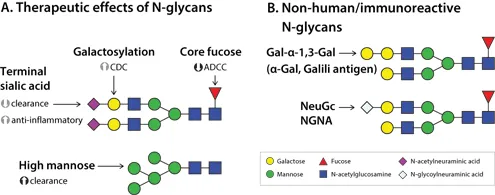
Endoglycosidase S is a special enzyme. Its name may sound a bit complicated, but its function is very magical. It belongs to the glycosidase family and its main function is to cut the sugar chain structure in glycoproteins. Glycoproteins are a very important class of biological molecules in our body. They are composed of proteins and sugar chains and are widely involved in various biological processes such as cell recognition, signal transduction, and immune response. Endoglycosidase S is like a "sugar chain scissor hand" that can accurately cut sugar chains and help scientists study the structure and function of glycoproteins.
2. The "superpower" of endoglycosidase S
The "superpower" of endoglycosidase S is that it can specifically cut sugar chains. In glycoproteins, the structure of sugar chains is complex and diverse, and different sugar chain structures can affect the function of glycoproteins. Endoglycosidase S can recognize and cut specific sugar chain structures, and this specificity makes it an ideal tool for studying glycoproteins.
For example, in the process of studying the glycosylation of antibodies, endoglycosidase S can help scientists understand how the sugar chain structure of antibodies affects their immune function. Antibodies are an important immune protein, and their sugar chain structure affects their ability to bind to antigens and the intensity of immune responses. By using endoglycosidase S, scientists can accurately analyze the sugar chain structure of antibodies, thereby optimizing the design of antibody drugs and improving their therapeutic effects.
3. Application of endoglycosidase S in biopharmaceuticals
Endoglycosidase S has a wide range of applications in the field of biopharmaceuticals. With the development of biotechnology, more and more drugs are glycoproteins produced by genetic engineering. The sugar chain structure of these glycoprotein drugs is crucial to their efficacy and safety. Endoglycosidase S can help scientists analyze and optimize the sugar chain structure of these glycoprotein drugs, thereby improving the quality and efficacy of drugs.
For example, in the production process of monoclonal antibodies, endoglycosidase S can be used to analyze the sugar chain structure of antibodies. By understanding the sugar chain structure, scientists can adjust production conditions and optimize the synthesis of sugar chains, thereby improving the efficacy and safety of antibodies. In addition, endoglycosidase S can also be used to detect the quality of glycoprotein drugs to ensure that the sugar chain structure of the drug meets the requirements.
IV. Future prospects of endoglycosidase S
With the continuous deepening of research on the structure and function of glycoproteins, the application prospects of endoglycosidase S will be broader. Scientists are exploring how to use endoglycosidase S to develop new drugs and treatments. For example, by modifying endoglycosidase S so that it can specifically recognize and cut off the sugar chain structure associated with certain diseases, new targeted therapeutic drugs can be developed.
In addition, endoglycosidase S can also be used to study the role of glycoproteins in the occurrence and development of diseases. By analyzing the changes in the sugar chain structure of glycoproteins, scientists can better understand the mechanism of the disease and provide new ideas for the diagnosis and treatment of the disease.
V. Conclusion
Although endoglycosidase S sounds a bit "high-end", it is actually a very important biological tool around us. It is like a magic key, helping scientists unlock the mysteries of glycoproteins and promoting the development of biomedical research and biopharmaceuticals. In the future, with the continuous advancement of technology, endoglycosidase S will play an important role in more fields and make greater contributions to human health and well-being.
This article is reviewed and published by the technical expert team of UA
Disclaimer: This article partially utilizes artificial intelligence assistance in its creation. If any content involves copyright or intellectual property issues, please let us know and we promise to verify and remove it as soon as possible.
Purchase recombinant protein, choose Nanjing UA-Bio
UA protein focuses on providing various protein reagents, raw materials, and services required for drug research and development, cell therapy, gene therapy, and basic scientific research, including drug target proteins, immune checkpoint proteins, cytokines, tool enzymes, customized protein expression, and full-length transmembrane protein development. Youai is committed to providing customers with high-quality products and professional services, and building a High-tech Biological Enterprise with International Competitiveness.







 Business license (three certificates in one)