




FGF-23: The "invisible promoter" behind kidney health


In the exploration of kidney health, various factors are intertwined and affect the health of patients. Among them, FGF-23 has gradually entered the public's field of vision and become the focus of scientists' research. It is closely related to the health of maintenance dialysis patients, especially the occurrence of hypotension.
- Recent Advances
FGF-23: The "invisible promoter" behind kidney health
In the exploration of kidney health, various factors are intertwined and affect the health of patients. Among them, FGF-23 has gradually entered the public's field of vision and become the focus of scientists' research. It is closely related to the health of maintenance dialysis patients, especially the occurrence of hypotension.
Hemodialysis is an important treatment for many patients with kidney disease to maintain life. However, the occurrence of hypotension during dialysis has brought many troubles to patients. According to statistics, the incidence of hypotension in hemodialysis patients is as high as 30% - 40%, and some centers are even higher. In the past, we knew that cardiac function, vascular sclerosis and decreased contractile function were factors that caused hypotension during dialysis. In addition, hyperphosphatemia, hypomagnesemia, CKD - MBD and hyperPTHemia were also related to it. FGF-23 is involved in the regulation of blood phosphorus and is related to the occurrence of hyperphosphatemia, which made scientists begin to think about whether blood pressure problems are related to FGF-23 levels.
Studies have found that there is indeed a certain correlation between high FGF-23 levels and the occurrence of hypotension. Vascular calcification is an important part of CKD-MBD, and changes in blood calcium may be related to blood phosphorus. The concept of CKD-MBD itself covers soft tissue calcification and vascular calcification. It is now found that there is a correlation between calcification levels and calcium-phosphorus product, FGF-23 and Klotho genes. Scientists speculate that FGF-23 may be related to hypotension by affecting calcification. Because calcification can cause a decrease in vascular contraction function and elasticity, which in turn leads to lower blood pressure. However, there are many factors that affect lower blood pressure. Problems such as high PTH and lipid metabolism can also cause atherosclerosis and vascular calcification, so FGF-23 may be only one of the direct factors affecting calcification, and there are many indirect factors at work. In the future, more experiments are needed to further explore the mechanism of FGF-23 and hypotension.
In the field of research and treatment of kidney diseases, the nephrology team of Changhai Hospital Affiliated to the Second Military Medical University has rich experience and outstanding achievements. The team is a united and harmonious team combining the old, middle-aged and young generations. Older experts, such as Professor Cui Ruolan, are pioneers in kidney disease research and blood purification in China, laying a solid foundation for the development of the department. The middle-aged generation has continuously expanded the scale of the department and various medical indicators have grown rapidly. The main force of the young generation is mainly young doctors born in the 1980s, who have grown rapidly and injected new vitality into the department.
The current research direction of the Department of Nephrology of Changhai Hospital is also closely related to kidney health. The first is the early comprehensive prevention and treatment of chronic kidney disease. By studying biomarkers, comprehensive management and prevention and treatment methods for early kidney disease screening, we strive for better prognosis for patients. The second is the treatment direction of obstructive nephropathy with integrated Chinese and Western medicine. In cooperation with the Department of Urology, we explore the causes of kidney stones and recurrence. Studies have found that Chinese medicine has good prospects in the treatment of obstructive nephropathy. The third is blood purification. Peritoneal dialysis is the traditional advantage of the department. In recent years, we have continuously explored and innovated in the minimally invasive technology of peritoneal dialysis catheterization and the long-term follow-up management of peritoneal dialysis patients. At the same time, we undertake CRRT treatment for the entire hospital and have carried out a variety of blood purification modes and new technology attempts.
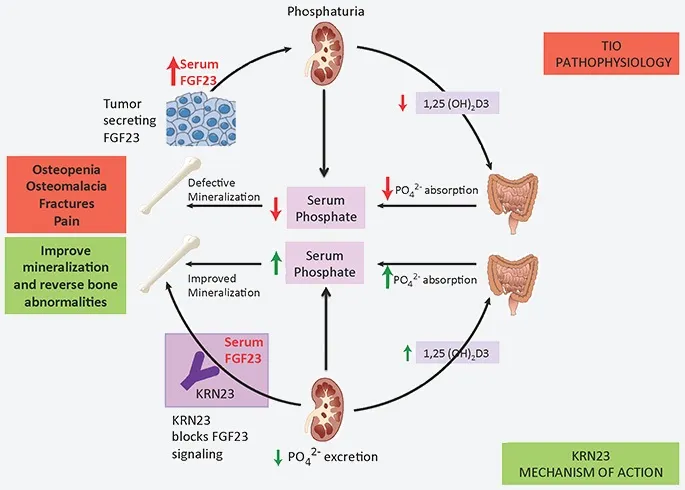
As the "invisible promoter" behind kidney health, the mechanism of action of FGF-23 still needs further in-depth research. I believe that with the continuous progress of science, we will be able to better understand and utilize FGF-23 and bring more hope and good news to patients with kidney disease.
This article is reviewed and published by the technical expert team of UA
Disclaimer: This article partially utilizes artificial intelligence assistance in its creation. If any content involves copyright or intellectual property issues, please let us know and we promise to verify and remove it as soon as possible.
Purchase recombinant protein, choose Nanjing UA-Bio
UA protein focuses on providing various protein reagents, raw materials, and services required for drug research and development, cell therapy, gene therapy, and basic scientific research, including drug target proteins, immune checkpoint proteins, cytokines, tool enzymes, customized protein expression, and full-length transmembrane protein development. Youai is committed to providing customers with high-quality products and professional services, and building a High-tech Biological Enterprise with International Competitiveness.







 Business license (three certificates in one)