




FGF7: The "invisible promoter" of pancreatic health under the COVID-19 pandemic


Since the outbreak of the COVID-19 pandemic in 2020, scientists around the world have been working tirelessly to uncover the mystery of the novel coronavirus (SARS-CoV-2). Recently, a study by the Guangzhou National Laboratory and the Liu Huisheng/Xu Tao/Zhao Jincun team of Guangzhou Medical University revealed a molecule that plays a key role in the COVID-19 infection process - fibroblast growth factor 7 (FGF7), which provides us with a new perspective on how the COVID-19 pandemic affects pancreatic health.
- Recent Advances
- Product Information
FGF7: The "invisible promoter" of pancreatic health under the COVID-19 pandemic
Since the outbreak of the COVID-19 pandemic in 2020, scientists around the world have been working tirelessly to uncover the mystery of the novel coronavirus (SARS-CoV-2). Recently, a study by the Guangzhou National Laboratory and the Liu Huisheng/Xu Tao/Zhao Jincun team of Guangzhou Medical University revealed a molecule that plays a key role in the COVID-19 infection process - fibroblast growth factor 7 (FGF7), which provides us with a new perspective on how the COVID-19 pandemic affects pancreatic health.
What is FGF7?
FGF7, full name fibroblast growth factor 7, is a protein widely present in the human body. It mainly regulates physiological processes such as cell proliferation, inflammatory response, angiogenesis, and tissue repair by binding to receptors on the cell surface (FGFR1 and FGFR2). Under normal circumstances, FGF7 plays an important role in promoting cell regeneration and tissue repair in the body. However, when the COVID-19 pandemic strikes, the role of FGF7 becomes complicated.
FGF7 and the "conspiracy" of the new coronavirus
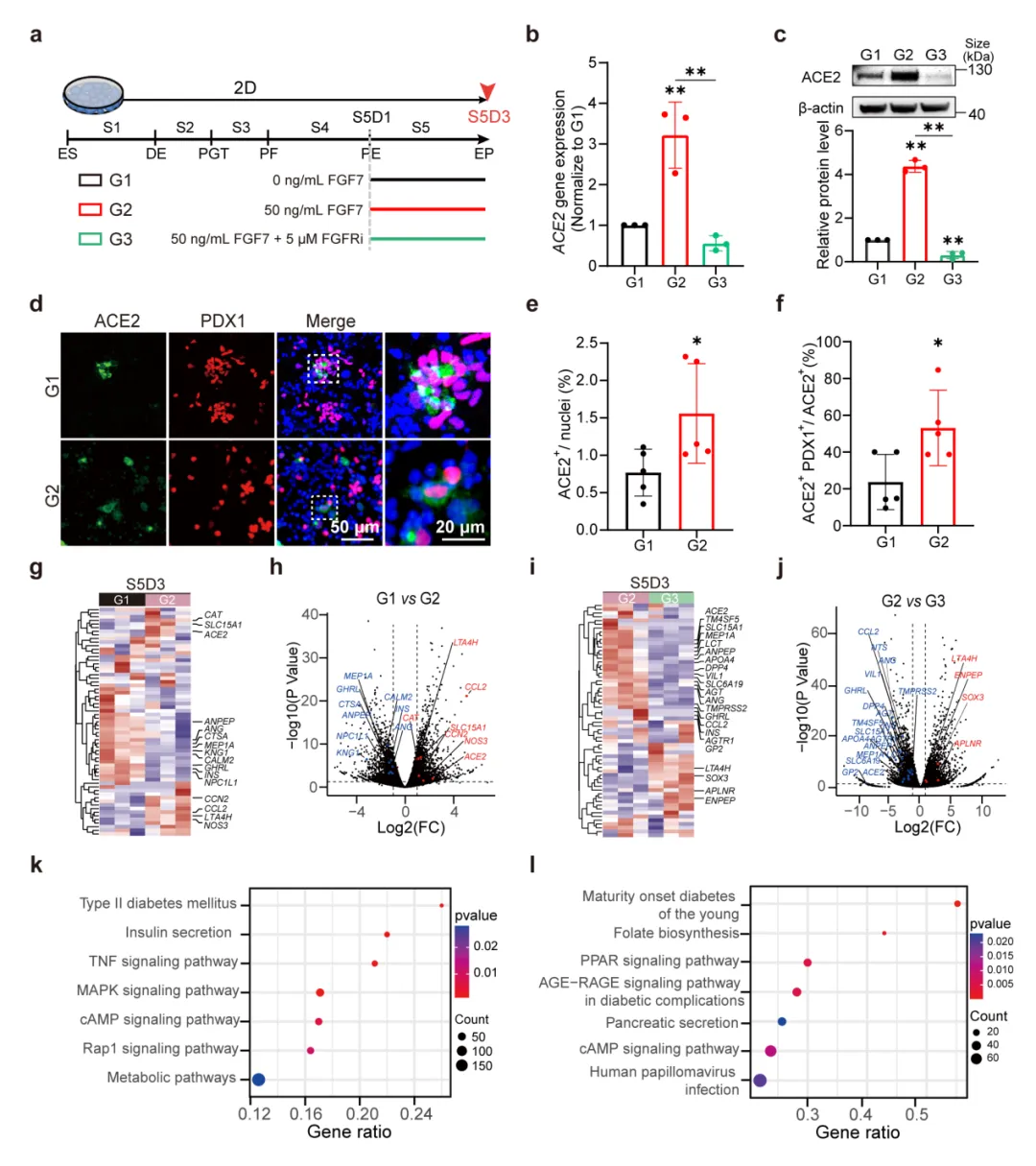
The study found that FGF7 can significantly upregulate the expression of angiotensin-converting enzyme 2 (ACE2) in pancreatic islet cells. ACE2 is the key receptor for the new coronavirus to enter cells. The virus enters the cell and causes infection by binding to ACE2. Therefore, FGF7 actually opens the door for the new coronavirus to enter pancreatic islet cells by increasing the expression of ACE2, making pancreatic islet cells more susceptible to viral infection.
Pancreatic islet cells: the "soft rib" of the new coronavirus attack
Pancreatic islet cells are important cells in the human body responsible for secreting insulin, especially β cells, which play a core role in regulating blood sugar levels. However, studies have shown that during the new coronavirus infection, the upregulation of ACE2 induced by FGF7 makes pancreatic β cells the "bull's eye" of the virus. After the new coronavirus enters the β cells through ACE2, it not only destroys the normal function of these cells, but also significantly reduces the secretion of insulin, further aggravating the condition of diabetic patients.
Blocking FGF7: A potential therapeutic strategy
Although FGF7 plays an "accomplice" role in the COVID-19 infection process, scientists have also found that by inhibiting the binding of FGF7 to FGFR, the expression of ACE2 can be effectively reduced, thereby reducing the sensitivity of pancreatic cells to the new coronavirus. This means that the development of drugs targeting the FGF7-FGFR pathway may become a new strategy to protect pancreatic cells from COVID-19 infection.
Inspiration from clinical and animal experiments
Through the analysis of serum samples from COVID-19 patients and experiments on mouse models, the research team further confirmed that during the COVID-19 infection process, especially in diabetic patients, the levels of FGF7 in serum and pancreas increased significantly. This finding not only reveals the potential link between FGF7 and the severity of COVID-19, but also provides a new target for future treatment.
Conclusion
FGF7, a once obscure molecule, has now become the focus of scientists under the shadow of the COVID-19 pandemic. By deeply studying the mechanism of action of FGF7 in COVID-19 infection, we can not only better understand how COVID-19 affects human health, but also provide important scientific basis for the development of new treatments and vaccines. In the future, as research continues to deepen, FGF7 may become a new key for us to fight the new crown epidemic and protect the health of the pancreas.
This article is reviewed and published by the technical expert team of UA
Disclaimer: This article partially utilizes artificial intelligence assistance in its creation. If any content involves copyright or intellectual property issues, please let us know and we promise to verify and remove it as soon as possible.
Purchase recombinant protein, choose Nanjing UA-Bio
UA protein focuses on providing various protein reagents, raw materials, and services required for drug research and development, cell therapy, gene therapy, and basic scientific research, including drug target proteins, immune checkpoint proteins, cytokines, tool enzymes, customized protein expression, and full-length transmembrane protein development. Youai is committed to providing customers with high-quality products and professional services, and building a High-tech Biological Enterprise with International Competitiveness.







 Business license (three certificates in one)