




FLT-3L: Core cytokine in hematopoiesis and immune regulation


FLT-3 ligand (FLT-3 Ligand, FLT-3L) is a specific ligand of FLT-3, a member of the type III tyrosine kinase receptor (RTKIII) family, and plays a key role in the development of hematopoietic stem cells, differentiation of immune cells and maintenance of tissue homeostasis.
- Recent Advances
- Product Information
FLT-3L: Core cytokine in hematopoiesis and immune regulation
FLT-3 ligand (FLT-3 Ligand, FLT-3L) is a specific ligand of FLT-3, a member of the type III tyrosine kinase receptor (RTKIII) family, and plays a key role in the development of hematopoietic stem cells, differentiation of immune cells and maintenance of tissue homeostasis. Its molecular structure includes an N-terminal signal peptide, five immunoglobulin-like domains D1-D5 and a C-terminal flexible region. The D3 domain is responsible for binding to the FLT-3 receptor, activating downstream signaling pathways by inducing receptor dimerization and tyrosine residue autophosphorylation, and then regulating cell fate.
Hematopoietic stem cell regulation mechanism
FLT-3L has a dual regulatory role in the self-renewal and multidirectional differentiation of hematopoietic stem cells (HSC). It activates the FLT-3 receptor, triggers the RAS-RAF-MAPK and PI3K-AKT signal axis cascade reaction, promotes the proliferation of HSC and maintains its undifferentiated state. In in vitro experiments, FLT-3L synergizes with stem cell factor (SCF) and interleukin-3 (IL-3) to significantly enhance the cloning ability of CD34+ hematopoietic progenitor cells. In vivo, FLT-3L-deficient mice showed a 40% reduction in the number of bone marrow HSCs, a decrease in peripheral blood leukocyte counts, and an almost complete loss of conventional dendritic cells (cDCs) and plasmacytoid dendritic cells (pDCs) in the spleen, highlighting their irreplaceability in early hematopoietic development.
Molecular network of immune cell differentiation
FLT-3L regulates immune cell lineage development through multimodal signal integration. In dendritic cell (DC) differentiation, FLT-3L synergizes with GM-CSF to promote the differentiation of myeloid DC precursors into cDCs and pDCs, and enhances the antigen presentation ability of DC. In the development of natural killer (NK) cells, FLT-3L promotes the proliferation of NK cell precursors and induces them to express markers such as CD122 and NKp46 by activating the FLT-3 receptor. In addition, FLT-3L can also cooperate with IL-7 and IL-15 to promote the differentiation of pre-B lymphocytes into mature B cells and maintain the survival of splenic marginal zone B cells.
Signal transduction pathways and regulatory mechanisms
After FLT-3L binds to FLT-3, the receptor undergoes conformational changes and activates the downstream signaling network. The intracellular region of the FLT-3 receptor contains a juxtamembrane domain (JM) and two kinase domains (TK1, TK2). The JM domain inhibits kinase activity by steric hindrance. After FLT-3L binds, receptor dimerization leads to phosphorylation of tyrosine residues in the JM domain, releasing the autoinhibitory state and allowing ATP to bind. Subsequently, the activation loop changes from the "DFG-out" conformation to the "DFG-in" conformation, exposing the catalytic site and recruiting substrate proteins. Activated FLT-3 further activates the PI3K-AKT, RAS-MAPK and JAK-STAT pathways by recruiting adaptor proteins such as GAB2 and SHC, regulating cell proliferation, survival and metabolic reprogramming.
Functional differences between physiological and pathological states
FLT-3L shows a tissue-specific expression pattern under physiological conditions, with high expression in bone marrow stromal cells and T cells, and low expression levels in peripheral blood mononuclear cells. Under pathological conditions, abnormal expression of FLT-3L is closely related to hematological malignancies. In patients with acute myeloid leukemia (AML), FLT-3 gene mutations lead to constitutive activation of the receptor, which reduces the dependence of leukemia stem cells on FLT-3L. In addition, FLT-3L is upregulated in chronic inflammatory and autoimmune diseases, which may aggravate immune responses by enhancing DC function.
Application prospects and challenges
Based on the immunomodulatory function of FLT-3L, its recombinant protein has been used in in vitro cell experiments to study the differentiation mechanism of HSC and DC, and provides a theoretical basis for the development of new vaccine adjuvants. For example, integrating the FLT-3L gene into the rabies virus vaccine strain can significantly enhance DC activation and increase the level of neutralizing antibodies. However, the application of FLT-3L still faces challenges. For example, high-dose use may trigger a cytokine storm, and its affinity with the FLT-3 receptor is affected by glycosylation modification, so the expression system needs to be optimized to improve protein activity.
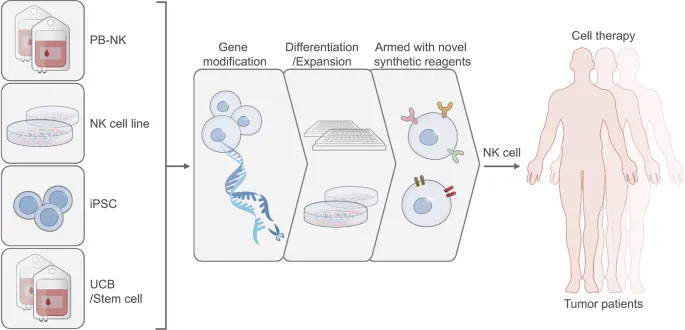
As a core molecule for hematopoiesis and immune regulation, FLT-3L regulates cell fate through multi-level signal network integration. Future research needs to further analyze its synergistic mechanism with other cytokines in the microenvironment, and develop precise regulation strategies based on FLT-3L to provide new theoretical tools for regenerative medicine and immunotherapy.
This article is reviewed and published by the technical expert team of UA
Disclaimer: This article partially utilizes artificial intelligence assistance in its creation. If any content involves copyright or intellectual property issues, please let us know and we promise to verify and remove it as soon as possible.
Purchase recombinant protein, choose Nanjing UA-Bio
UA protein focuses on providing various protein reagents, raw materials, and services required for drug research and development, cell therapy, gene therapy, and basic scientific research, including drug target proteins, immune checkpoint proteins, cytokines, tool enzymes, customized protein expression, and full-length transmembrane protein development. Youai is committed to providing customers with high-quality products and professional services, and building a High-tech Biological Enterprise with International Competitiveness.







 Business license (three certificates in one)