GUCY2C: A New Target and Potential Breakthrough in the Treatment of Colorectal Cancer


Colorectal cancer (CRC) is one of the malignant tumors with the highest incidence rate in the world. At present, surgical resection is still the main treatment for CRC, but the application of chemotherapy and targeted drugs has significantly improved the survival benefits of patients.
- Recent Advances
- Product Information
- Reference
Colorectal cancer (CRC) is one of the most prevalent malignancies worldwide. While surgical resection remains the primary treatment, chemotherapy and targeted therapies have significantly improved patient survival. Currently approved targeted therapies for CRC include:
(1) VEGF inhibitors: Bevacizumab, Aflibercept;
(2) VEGFR inhibitors: Ramucirumab, Regorafenib, Fruquintinib;
(3) EGFR inhibitors: Cetuximab, Panitumumab;
(4) PD-1/PD-L1 inhibitors: Pembrolizumab, Nivolumab;
(5) CTLA-4 inhibitor: Ipilimumab;
(6) BRAF inhibitor: Vemurafenib.
Molecular Heterogeneity and Limitations of Current Therapies
CRC is a molecularly heterogeneous disease driven by multiple genetic mutations, including KRAS, BRAF, PIK3CA, TP53, APC, CTNNB1, SMAD4, TGFBR2, SOX9, and ERBB2. These mutations dysregulate key signaling pathways such as Wnt/β-catenin, RAS-RAF-MEK-ERK (MAPK), TGFβ, and PI3K-AKT, promoting tumor progression. However, current targeted therapies face significant limitations:
Anti-EGFR therapy is ineffective in KRAS-mutant patients.
PD-1/PD-L1 inhibitors are only approved for microsatellite instability-high (MSI-H)/mismatch repair-deficient (dMMR) patients, while microsatellite-stable (MSS) tumors—accounting for 95% of advanced CRC—show poor response to immunotherapy.
Recent Advances in CRC Treatment
Recent studies have explored novel combination strategies:
1、Regorafenib + Nivolumab: A Japanese clinical trial in 24 MSS metastatic CRC (mCRC) patients using dose escalation (80–120 mg) reported an objective response rate (ORR) of 33% (8/24), with responders predominantly male and exhibiting lung metastases (>70% with lymph node involvement).
2、BRAF/MEK/EGFR Triple Therapy: Array BioPharma (now Pfizer) developed a regimen combining Encorafenib (BRAF inhibitor), Binimetinib (MEK inhibitor), and Cetuximab, which demonstrated superior overall survival (OS), progression-free survival (PFS), and ORR versus chemotherapy in BRAF V600E-mutant mCRC.
The Potential of GUCY2C-CD3 Bispecific Antibodies
In 2020, Pfizer reported the development of PF-07062119, a GUCY2C-CD3 bispecific antibody, in Clinical Cancer Research. This agent redirects T cells to GUCY2C-expressing tumors, inducing cytotoxic killing.
Structure and Mechanism
PF-07062119 is a fully humanized bispecific antibody comprising single-chain variable fragments (scFvs) targeting GUCY2C and CD3ε, fused to an IgG1 Fc domain (Figure 1). CH2 mutations reduce FcγR binding, while Knobs-into-Holes (KiH) technology ensures heterodimer formation, extending half-life.
Figure 1. Structure of PF-07062119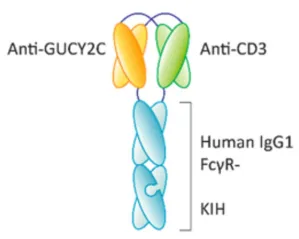
Preclinical Data
1,In Vitro Studies:
Flow cytometry confirmed selective binding to GUCY2C-positive cells (e.g., HCT116-hGUCY2C) but not GUCY2C-negative controls.
Dose-dependent, nanomolar-level T cell-mediated cytotoxicity was observed in CRC cell lines, correlating with GUCY2C expression (Figure 2).
PF-07062119 did not interfere with GUCY2C signaling, preserving intestinal homeostasis.
Figure 2. PF-07062119-Mediated Cytotoxicity In Vitro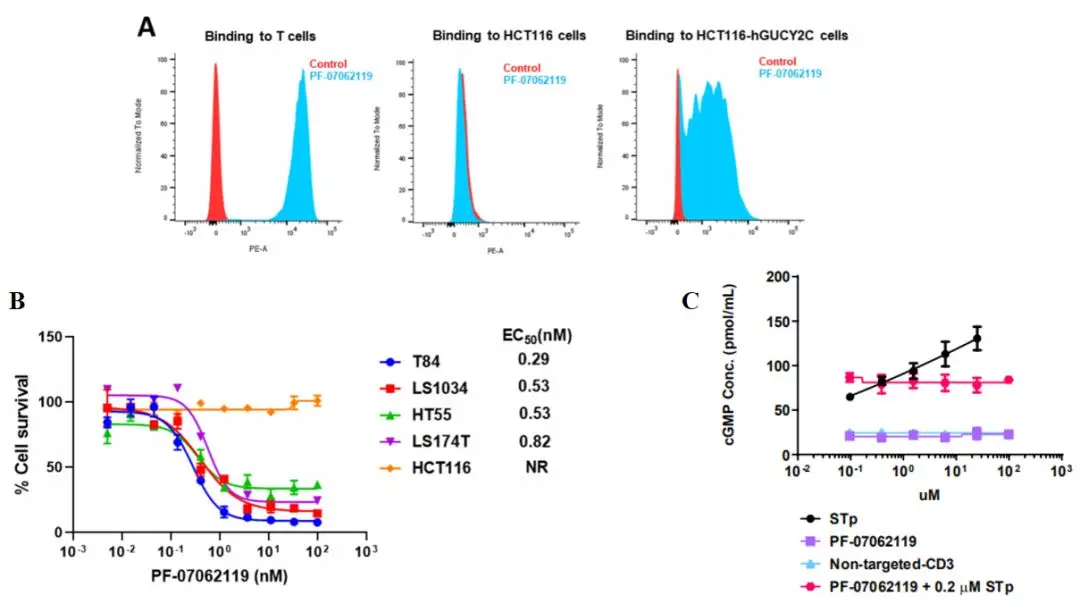
2,In Vivo Efficacy:
In xenograft models (including KRAS/BRAF-mutant CRC), PF-07062119 showed potent antitumor activity:
High GUCY2C expression: Complete tumor suppression at 0.1–0.15 mg/kg.
Low GUCY2C expression: Moderate inhibition at 1.0 mg/kg.
In the LS1034 orthotopic model, 0.3 mg/kg induced complete regression without metastasis, though higher doses showed liver dissemination (Figure 3).
Table 1. Characteristics of CRC Xenograft Models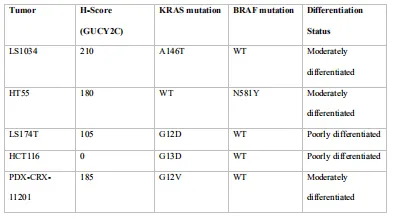
Figure 3. Antitumor Activity of PF-07062119 Across Models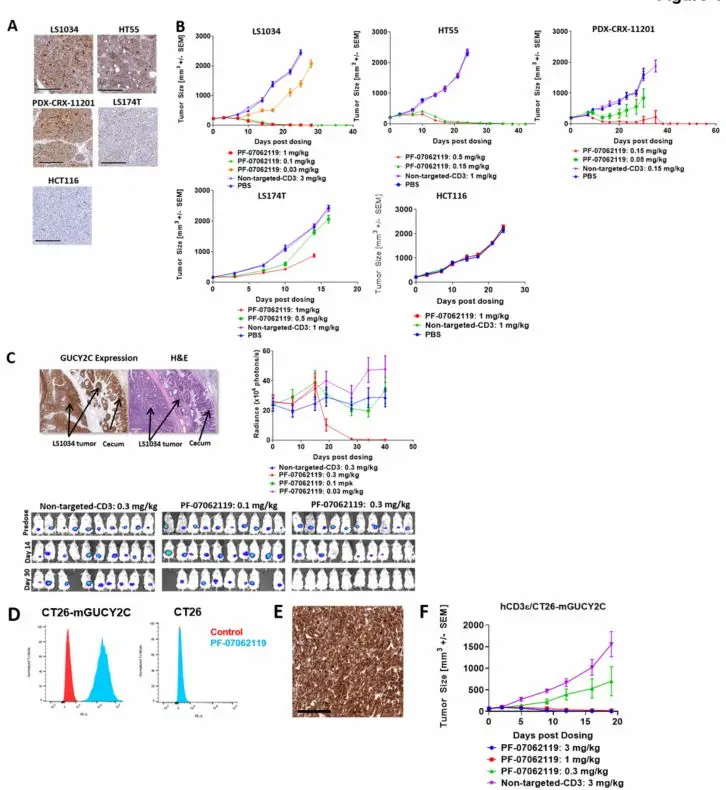
3,Immunomodulation:
PF-07062119 promoted dose-dependent tumor-infiltrating lymphocyte (TIL) recruitment and immune synapse formation.
PD-L1 upregulation was noted, but combination with PD-1/PD-L1 inhibitors enhanced efficacy (Figure 4).
Figure 4. Synergy with Checkpoint Blockade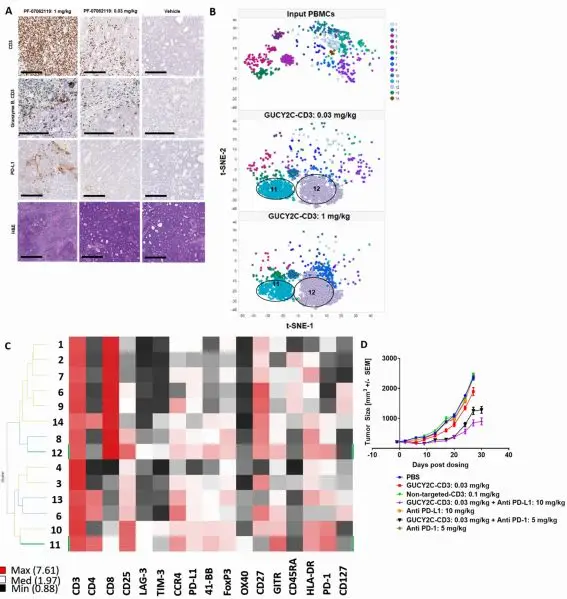
4,Anti-Angiogenic Combination:
Co-administration with anti-VEGF-A in PDX models increased TIL infiltration and achieved complete responses at lower doses .
5,Safety Profile:
Cynomolgus monkey studies revealed reversible adverse effects (vomiting, mild diarrhea, ≤7% weight loss) without severe toxicity.
Cytokine release (IFN-γ, IL-2, etc.) peaked after the first dose but diminished upon re-dosing, indicating tolerability.
Other GUCY2C-Targeted Approaches
1,Vaccine (Ad5-GUCY2C-PADRE):
Developed by Sidney Kimmel Cancer Center, this adenoviral vaccine activates CD8+ T cells (sparing CD4+ T cells) to prevent metastasis.
Phase I (n=10) reported 40% T-cell response rates with no ≥Grade 2 adverse events; Phase II trials are ongoing (CRC, gastric cancer).
2.CAR-T Therapy:
Murine anti-hGUCY2C CAR-T cells suppressed lung metastases and prolonged survival in preclinical models.
Biology of GUCY2C
Guanylyl cyclase C (GUCY2C), an intestine-specific receptor, catalyzes GTP-to-cGMP conversion, regulating ion transport, barrier integrity, and proliferation. In CRC:
Primary/metastatic tumors overexpress GUCY2C (2–10× normal levels).
Loss of ligands (guanylin/uroguanylin) disrupts epithelial homeostasis, promoting carcinogenesis.
GUCY2C Structure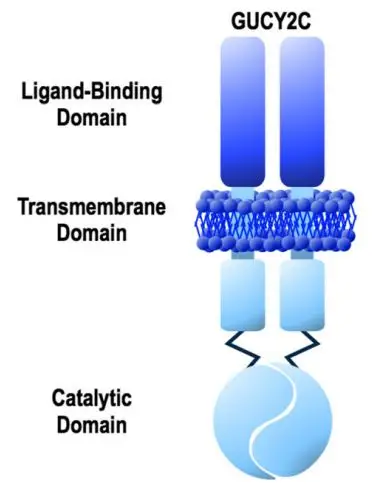
Conclusions and Future Directions
GUCY2C-targeted therapies (bispecific antibodies, vaccines, CAR-T) offer:
Broad applicability: Efficacy independent of KRAS/BRAF status.
Combination potential: Synergy with immunotherapy/anti-angiogenics.
Favorable safety: Preclinical data support manageable toxicity.
While Ad5-GUCY2C-PADRE leads in clinical development (Phase II), PF-07062119 and CAR-T require further validation. Success could revolutionize treatment for MSS and refractory CRC.
This article is reviewed and published by the technical expert team of UA
Disclaimer: This article partially utilizes artificial intelligence assistance in its creation. If any content involves copyright or intellectual property issues, please let us know and we promise to verify and remove it as soon as possible.
Purchase recombinant protein, choose 
UA protein focuses on providing various protein reagents, raw materials, and services required for drug research and development, cell therapy, gene therapy, and basic scientific research, including drug target proteins, immune checkpoint proteins, cytokines, tool enzymes, customized protein expression, and full-length transmembrane protein development. Nanjing Univ is committed to providing customers with high-quality products and professional services, and building a High-tech Biological Enterprise with International Competitiveness.







 Business license (three certificates in one)