




Growth hormone: a comprehensive analysis from physiological function to clinical application


Growth hormone plays a crucial role in growth, metabolism, and reproduction. Although rhGH therapy has significant benefits in approved indications, its application requires careful patient selection, enhanced monitoring, and a thorough understanding of potential risks. Future research is expected to further expand its clinical application value while emphasizing evidence-based and ethical use.
- Recent Advances
- Product Information
1. What is Growth Hormone and How is it Produced in the Body?
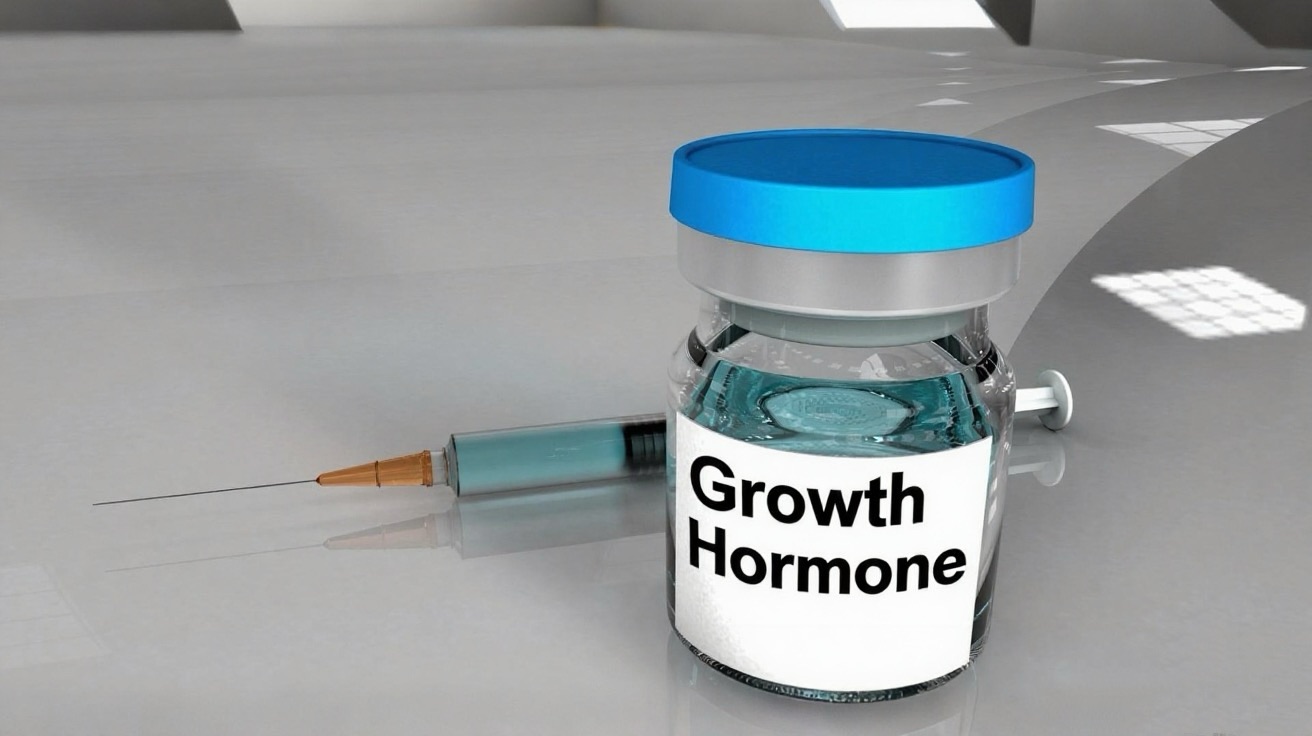
Growth Hormone (GH), also known as somatotropin, is a peptide hormone synthesized and secreted by somatotroph cells in the anterior pituitary gland. It plays a fundamental role in human growth, metabolism, and cellular repair throughout life. Its secretion is pulsatile, influenced by factors such as sleep, exercise, stress, and nutritional status, and is regulated by hypothalamic hormones—growth hormone-releasing hormone (GHRH) and somatostatin.
2. What Are the Key Physiological Roles of Growth Hormone?
GH exerts diverse effects beyond linear growth during childhood. It promotes protein synthesis, muscle growth, and organ development. Metabolically, it stimulates lipolysis, increases fatty acid utilization, and reduces glucose uptake—thereby elevating blood sugar levels. Furthermore, GH indirectly mediates many anabolic effects through insulin-like growth factor-1 (IGF-1), produced mainly in the liver.
3. How Does Growth Hormone Influence Reproductive Health?
Emerging evidence indicates that GH contributes to reproductive function. In females, it enhances ovarian response, improves oocyte quality, and supports endometrial receptivity, often applied in assisted reproductive technologies. In males, it may aid spermatogenesis and testosterone production. Age-related decline in GH is also associated with reduced vitality and metabolic health.
4. What Are the Main Clinical Uses of Recombinant Human Growth Hormone (rhGH)?
rhGH is widely used therapeutically. In pediatric endocrinology, it treats growth hormone deficiency (GHD), Turner syndrome, and chronic renal failure-related short stature. In adults, GH replacement alleviates symptoms of GHD like reduced muscle mass, increased fat mass, and poor life quality. It is also used off-label in certain metabolic and reproductive contexts under strict supervision.
5. How is Growth Hormone Utilized in Assisted Reproductive Technology (ART)?
In IVF cycles, GH co-treatment is sometimes adopted for poor responders or women with diminished ovarian reserve. It is believed to enhance follicular development, egg quality, and embryo implantation potential, possibly through upreg IGF-1 and improving insulin sensitivity within the ovarian microenvironment.
6. What Are the Contraindications and Risks Associated with GH Therapy?
GH is contraindicated in patients with active malignancy, severe obesity with respiratory impairment, diabetic retinopathy, or closed epiphyses in children. Common side effects include peripheral edema, arthralgia, and injection site reactions. Long-term risks may include glucose intolerance and increased cancer risk, necessitating periodic monitoring of metabolic and endocrine parameters.
7. How is GH Therapy Administered and Monitored?
Treatment requires individualized dosing based on body weight, age, and indication—typically through daily subcutaneous injections. Regular follow-up assessments include IGF-1 levels, glucose metabolism, thyroid function, and in children, bone age scans. A multidisciplinary approach is essential for optimizing efficacy and safety.
8. What is the Future of Growth Hormone Research and Therapy?
Ongoing studies explore GH’s role in aging, cognitive function, and tissue regeneration. Long-acting GH analogs and combination therapies with IGF-1 are under development to improve treatment adherence and outcomes. Personalized strategies based on genetic and metabolic profiling may further enhance therapeutic precision.
Conclusion
Growth hormone serves vital roles across growth, metabolism, and reproduction. While rhGH therapy offers significant benefits in approved indications, its application requires careful patient selection, monitoring, and a thorough understanding of potential risks. Future research promises to expand its clinical utility while emphasizing evidence-based and ethical use.
This article is reviewed and published by the technical expert team of UA
Disclaimer: This article partially utilizes artificial intelligence assistance in its creation. If any content involves copyright or intellectual property issues, please let us know and we promise to verify and remove it as soon as possible.
Purchase recombinant protein, choose Nanjing UA-Bio
UA protein focuses on providing various protein reagents, raw materials, and services required for drug research and development, cell therapy, gene therapy, and basic scientific research, including drug target proteins, immune checkpoint proteins, cytokines, tool enzymes, customized protein expression, and full-length transmembrane protein development. Youai is committed to providing customers with high-quality products and professional services, and building a High-tech Biological Enterprise with International Competitiveness.







 Business license (three certificates in one)