




Unveiling Siglec-2: A New Immune Checkpoint in the Field of Cancer Treatment


Siglec-2 (also known as CD22) is a member of the sialic acid binding immunoglobulin like lectin (Siglec) receptor family, primarily expressed on the surface of B cells. As an inhibitory receptor, it regulates immune response by recognizing sialylated polysaccharides on the cell surface.
- Recent Advances
- Product Information
1. What is Siglec-2, and why is it significant in cancer immunotherapy?
Siglec-2 (also known as CD22) is a member of the sialic acid-binding immunoglobulin-like lectin (Siglec) receptor family, primarily expressed on B cells. It functions as an inhibitory receptor that modulates immune responses by recognizing sialylated glycans on cell surfaces. In cancer, Siglec-2 has emerged as a critical immune checkpoint, similar to PD-1/PD-L1, but with a unique focus on B-cell malignancies. Its significance lies in its dual role:
As a tumor-associated antigen highly expressed in B-cell cancers such as acute lymphoblastic leukemia (ALL) and diffuse large B-cell lymphoma (DLBCL).
As a regulator of immune suppression by dampening B-cell receptor (BCR) signaling and promoting immune evasion.
Therapeutically targeting Siglec-2 offers a promising strategy to enhance anti-tumor immunity, particularly in cancers resistant to conventional immune checkpoint inhibitors.
2. How does Siglec-2 function at the molecular level?
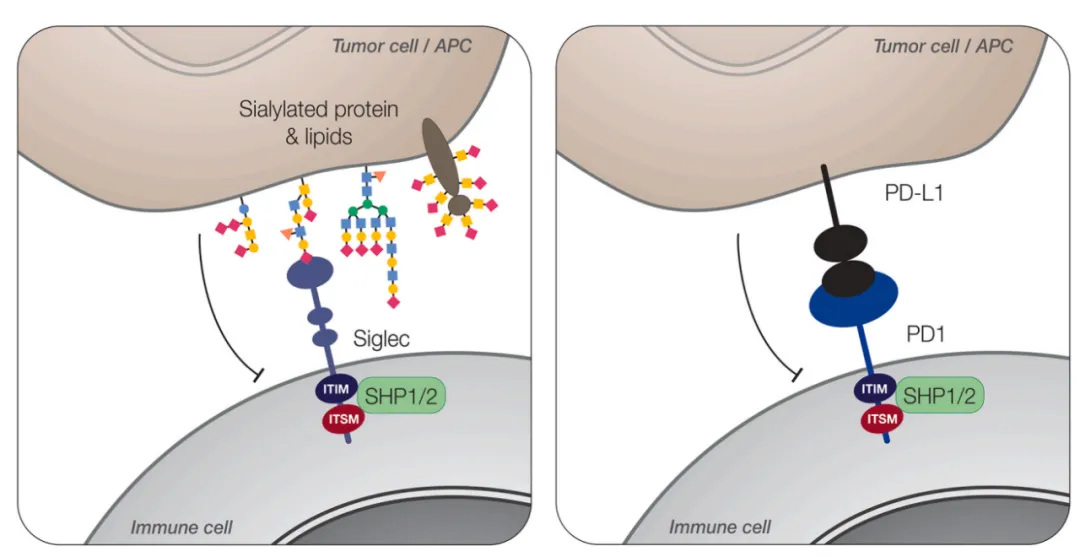
Siglec-2 is a transmembrane protein with an extracellular domain consisting of immunoglobulin (Ig)-like structures that bind sialic acid-containing glycans. Its intracellular domain contains immunoreceptor tyrosine-based inhibitory motifs (ITIMs), which recruit phosphatases such as SHP-1 and SHP-2 upon ligand binding. This recruitment suppresses B-cell activation by inhibiting BCR signaling pathways.
In cancer, tumor cells often upregulate sialylated glycans that engage Siglec-2 on immune cells, leading to:
Inhibition of B-cell proliferation and antibody production.
Suppression of T-cell responses indirectly through impaired antigen presentation.
Promotion of an immunosuppressive microenvironment that facilitates tumor growth.
This mechanism mirrors the function of other immune checkpoints like PD-1 but operates through distinct biochemical pathways.
3. What is the role of Siglec-2 in B-cell malignancies?
Siglec-2 is highly expressed in malignant B cells, making it an ideal target for precision therapy. For example:
In acute lymphoblastic leukemia (ALL), Siglec-2 expression is associated with disease progression and resistance to chemotherapy.
In diffuse large B-cell lymphoma (DLBCL), Siglec-2 contributes to immune evasion by inhibiting anti-tumor B-cell responses.
Therapeutic strategies leveraging Siglec-2 include:
Antibody-drug conjugates (ADCs): Inotuzumab ozogamicin, an FDA-approved ADC targeting Siglec-2, delivers cytotoxic agents directly to B-cell tumors, showing remarkable efficacy in relapsed/refractory ALL.
CAR-T cell therapy: CD19/Siglec-2 bispecific CAR-T cells enhance targeting precision and reduce off-tumor effects in B-cell malignancies.
These approaches highlight Siglec-2’s potential as both a biomarker and a therapeutic target.
4. How can Siglec-2 be targeted therapeutically?
Several innovative strategies are being developed to target Siglec-2:
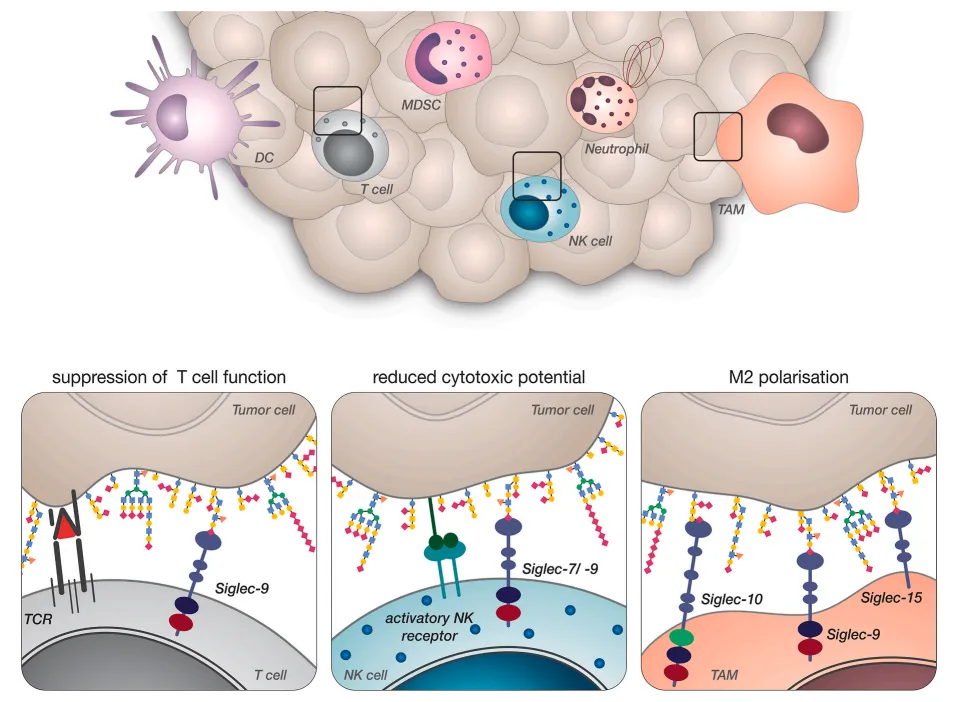
Blocking antibodies: Monoclonal antibodies that disrupt Siglec-2-sialic acid interactions can reverse immune suppression and restore B-cell function. For instance, preclinical studies show that anti-Siglec-2 antibodies enhance NK cell-mediated tumor killing.
Combination therapies: Siglec-2 inhibitors combined with PD-1/PD-L1 blockers or CD47-targeting agents synergize to overcome immune resistance. For example, co-blocking Siglec-2 and CD47 promotes macrophage phagocytosis of tumor cells.
Enzymatic approaches: Sialidase enzymes that cleave sialic acid residues from tumor cells reduce Siglec-2 ligand density, thereby enhancing immune recognition. A bacterial sialidase conjugated to trastuzumab is currently in early-phase clinical trials for HER2+ cancers.
These strategies aim to disrupt the immunosuppressive signals mediated by Siglec-2 and its ligands.
5. What are the future directions for Siglec-2 research?
The future of Siglec-2 research focuses on:
Expanding applications: Investigating Siglec-2’s role in solid tumors and its interactions with other immune checkpoints.
Developing next-generation therapeutics: Engineering high-affinity antibodies, dual-targeting CAR-T cells, and small-molecule inhibitors against Siglec-2.
Personalized medicine: Using Siglec-2 expression levels to stratify patients for targeted therapies and predict treatment responses.
Ongoing clinical trials, such as those combining Siglec-2 blockers with existing immunotherapies, will be pivotal in validating its therapeutic potential.
Conclusion
Siglec-2 represents a novel immune checkpoint with profound implications for cancer immunotherapy. Its unique mechanism of action and specificity for B-cell malignancies make it an attractive target for next-generation therapies. As research advances, targeting Siglec-2 could unlock new avenues for treating resistant cancers and improving patient outcomes.
This article is reviewed and published by the technical expert team of UA
Disclaimer: This article partially utilizes artificial intelligence assistance in its creation. If any content involves copyright or intellectual property issues, please let us know and we promise to verify and remove it as soon as possible.
Purchase recombinant protein, choose Nanjing UA-Bio
UA protein focuses on providing various protein reagents, raw materials, and services required for drug research and development, cell therapy, gene therapy, and basic scientific research, including drug target proteins, immune checkpoint proteins, cytokines, tool enzymes, customized protein expression, and full-length transmembrane protein development. Youai is committed to providing customers with high-quality products and professional services, and building a High-tech Biological Enterprise with International Competitiveness.







 Business license (three certificates in one)