




Exploring CD215 (IL-15R α): a key receptor for immune regulation


CD215, Also known as the interleukin-15 receptor alpha subunit (IL-15R alpha), it is a specific component of the IL-15 receptor and belongs to the type I cytokine receptor family. Its structural features include an extracellular domain (capable of binding IL-15 with high affinity), a transmembrane region, and a shorter intracellular tail.
- Recent Advances
- Product Information
Q: What is CD215, and what are its structural and functional characteristics?
CD215, also known as interleukin-15 receptor alpha subunit (IL-15Rα), is a specific component of the IL-15 receptor and belongs to the type I cytokine receptor family. Its structural features include an extracellular domain (capable of high-affinity binding to IL-15), a transmembrane region, and a short intracellular tail. CD215 not only acts as a capture and presentation molecule for IL-15 but also delivers IL-15 to cells expressing CD122 (IL-2/IL-15Rβ) and CD132 (common gamma chain) through a trans-presentation mechanism, thereby activating downstream signaling pathways. This unique mechanism enables CD215 to play a central role in regulating the bioavailability and functional specificity of IL-15.
Q: How does the CD215/IL-15 signaling pathway function in the immune system?
CD215-mediated IL-15 signaling is critical for both innate and adaptive immunity. In innate immunity, IL-15 promotes the development, survival, and cytotoxic functions of natural killer (NK) cells. In adaptive immunity, it supports the long-term maintenance and activation of memory CD8⁺ T cells. The signal transduction process relies on the formation of a complex receptor with CD122 and CD132, activating pathways such as JAK-STAT (particularly JAK1/3-STAT5), MAPK, and PI3K-AKT, thereby promoting cell proliferation, inhibiting apoptosis, and enhancing effector functions. Notably, CD215's trans-presentation capability allows antigen-presenting cells (e.g., dendritic cells) to locally and efficiently activate T cells and NK cells, enabling precise spatiotemporal regulation of immune responses.
Q: What role does CD215 play in the development and progression of diseases?
Abnormal expression of the CD215/IL-15 axis is associated with various diseases. In autoimmune diseases (such as rheumatoid arthritis and inflammatory bowel disease), excessive IL-15 signaling promotes the activation and tissue infiltration of inflammatory T cells and NK cells, exacerbating immunopathological damage. In cancer, certain tumor types utilize CD215-mediated microenvironmental signals to promote immune suppression or tumor cell survival. Additionally, CD215 is involved in immune evasion mechanisms in certain infectious diseases (e.g., HIV and HTLV-1 infections). These roles make it a potential biomarker and therapeutic target for diseases.
Q: What therapeutic strategies target the CD215/IL-15 pathway?
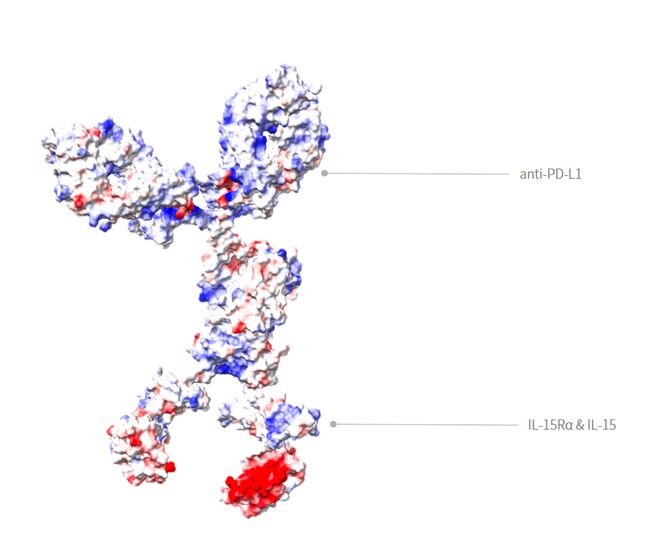
Current strategies targeting CD215/IL-15 can be broadly classified into agonists and antagonists. Agonist approaches include recombinant IL-15/IL-15Rα complexes (e.g., ALT-803), which aim to enhance anti-tumor immune responses and have entered clinical trials for various cancers (e.g., melanoma, lymphoma). Antagonist strategies are used for autoimmune disease treatment and include anti-IL-15 monoclonal antibodies, anti-CD215 antibodies, and soluble receptor proteins designed to block aberrant signaling. For example, certain monoclonal antibody drugs (e.g., HuMax-IL15) have been tested for treating rheumatoid arthritis and psoriasis, with preliminary results showing clinical potential.
Q: What challenges and future directions exist in CD215 research?
Although significant progress has been made in CD215 research, several challenges remain. First, the mechanisms underlying its bidirectional regulatory role in the microenvironment (promoting immune attack while potentially enhancing immune suppression) are not fully understood. Second, existing targeted therapies still face issues related to delivery efficiency, tissue specificity, and long-term safety. Additionally, correlating CD215 expression levels or genetic polymorphisms with individualized treatment responses is an important topic in translational medicine. Future research needs to integrate single-cell technologies, gene-edited animal models, and novel drug delivery systems to comprehensively the biological network of CD215 and advance its clinical applications.
Q: What is the of CD215 in cancer immunotherapy?
The CD215/IL-15 pathway holds great promise in cancer immunotherapy. Given its critical role in maintaining and activating NK cells and memory T cells—both indispensable for anti-tumor immune surveillance—many studies are exploring its combination with immune checkpoint inhibitors (e.g., anti-PD-1 antibodies), CAR-T, or CAR-NK cell therapies. Preclinical studies have shown that local or systemic administration of IL-15Rα agonists can significantly enhance the activity and persistence of tumor-infiltrating lymphocytes, improving treatment responses. However, managing toxicities such as cytokine release syndrome (CRS) remains a key obstacle to broad clinical application.
This article is reviewed and published by the technical expert team of UA
Disclaimer: This article partially utilizes artificial intelligence assistance in its creation. If any content involves copyright or intellectual property issues, please let us know and we promise to verify and remove it as soon as possible.
Purchase recombinant protein, choose Nanjing UA-Bio
UA protein focuses on providing various protein reagents, raw materials, and services required for drug research and development, cell therapy, gene therapy, and basic scientific research, including drug target proteins, immune checkpoint proteins, cytokines, tool enzymes, customized protein expression, and full-length transmembrane protein development. Youai is committed to providing customers with high-quality products and professional services, and building a High-tech Biological Enterprise with International Competitiveness.







 Business license (three certificates in one)