




The Past and Present of LDLR: From Mysterious Receptors to the Key to Cardiovascular Disease Treatment


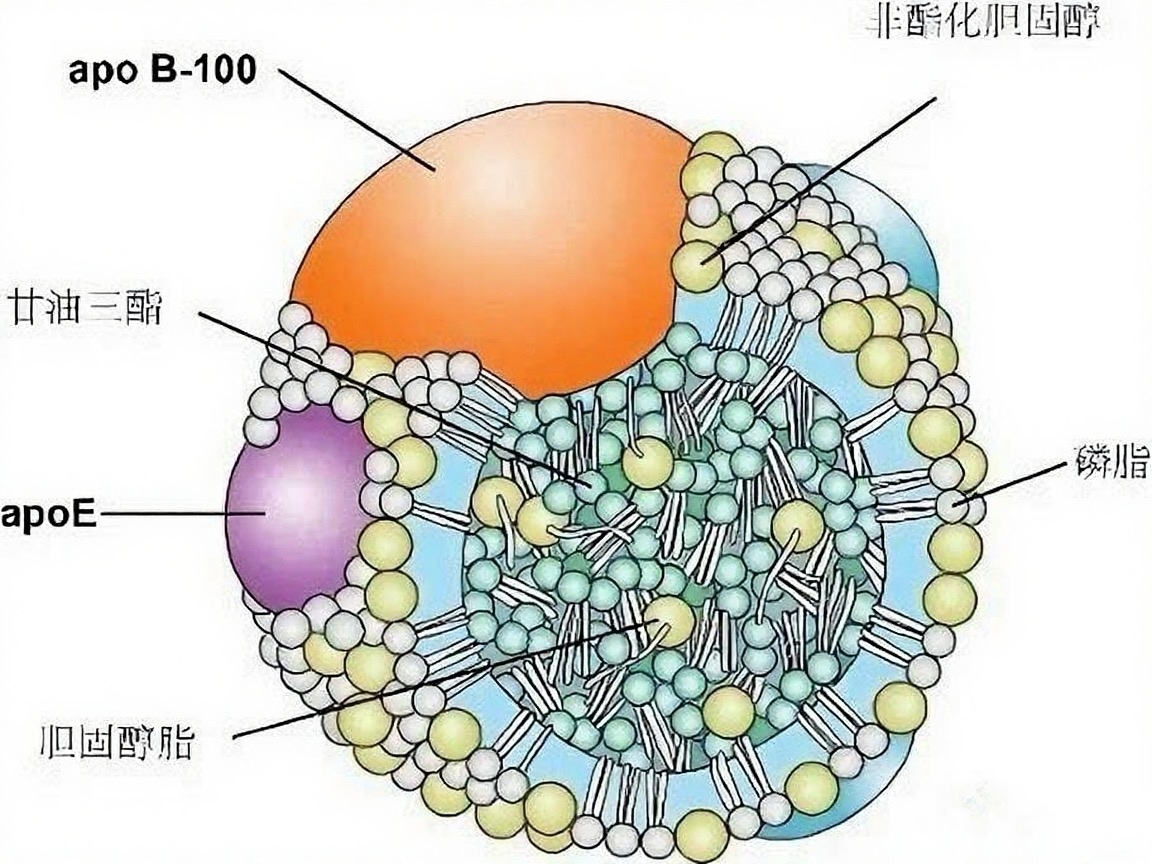
Low density lipoprotein (LDL) is a type of low-density lipoprotein particle in plasma, whose main function is to transport cholesterol in the blood. In a healthy human body, about two-thirds of plasma cholesterol binds with LDL to form low-density lipoprotein cholesterol (LDL-C).
- Recent Advances
- Product Information
What is LDL, and Why is It Closely Related to Heart Disease?
Low-density lipoprotein (LDL) is a type of low-density lipoprotein particle in plasma, primarily responsible for transporting cholesterol in the blood. In healthy individuals, about two-thirds of plasma cholesterol binds to LDL, forming what is known as low-density lipoprotein cholesterol (LDL-C). Although cholesterol is an essential component of cell membranes and the synthesis of steroid hormones, excessively high levels of LDL-C become an "invisible killer" of cardiovascular health.
When LDL particles are overabundant in the blood, they easily penetrate the subendothelial layer of blood vessels and undergo oxidative modification. Macrophages, key players in the immune system, engulf these oxidized LDL particles. However, this process causes macrophages to transform into lipid-filled "foam cells," which deposit within the arterial walls. As cholesteryl esters continue to accumulate, atherosclerotic plaques gradually form in the vessel walls, narrowing the arterial lumen and impeding blood flow. This ultimately significantly increases the risk of myocardial infarction and stroke.
Who Were the Key Scientists Behind Unraveling the Mystery of LDL Metabolism?
The normal range of LDL-C in human plasma is typically defined as 0–3.37 mmol/L, with about 65%–70% of its clearance relying on a specific receptor on the surface of the liver—the low-density lipoprotein receptor (LDLR). The discovery of this critical receptor was no accident but the result of cross-border scientific collaboration and relentless exploration.
In 1972, Professors Michael Brown and Joseph Goldstein at the University of Texas Southwestern Medical Center began researching familial hypercholesterolemia (FH). FH is an autosomal dominant genetic disorder where patients exhibit abnormally high blood cholesterol levels and develop severe atherosclerosis at an early age. However, the mechanisms regulating cholesterol were still unknown at the time. The two scientists gained crucial insights from WHHL rabbits (a model of spontaneous hypercholesterolemia) provided by Professor Yutaka Watanabe of Kobe University in Japan. They eventually successfully identified LDLR and confirmed that defects in its gene were the primary cause of FH.
This major discovery not only revealed the core regulatory mechanism of cholesterol metabolism but also laid a solid foundation for subsequent research on lipid metabolism disorders. In recognition of their outstanding contributions, Brown and Goldstein were jointly awarded the Nobel Prize in Physiology or Medicine in 1985.
If Impaired LDLR Function Causes Disease, Can Enhancing Its Function Become a Treatment Strategy?
Since impaired LDLR function can lead to hypercholesterolemia and cardiovascular disease, a natural scientific question arose: Could increasing the number of LDLRs or enhancing their function lower plasma cholesterol? The realization of this idea is closely tied to the discovery of another key gene—PCSK9.
In 2003, researchers identified a PCSK9 gene mutation associated with very low plasma cholesterol levels in a French family. Then, in 2005, a team led by Professor Helen Hobbs at the University of Texas Southwestern Medical Center reported that individuals carrying loss-of-function mutations in PCSK9 had significantly reduced LDL-C levels but remained in good health with no impact on lifespan. This finding suggested that inhibiting PCSK9 could be a safe and effective strategy for lowering cholesterol.
Further mechanistic studies revealed that the PCSK9 protein binds to LDLR on the surface of liver cells, promoting its internalization and degradation, thereby reducing LDLR-mediated cholesterol clearance. Therefore, using monoclonal antibodies or small-molecule drugs to inhibit PCSK9 can significantly increase the density of LDLRs on hepatocyte membranes, enhance the clearance of LDL-C from the blood, and bring about a revolutionary breakthrough in the treatment of hypercholesterolemia.
How Have PCSK9 Inhibitors Changed the Landscape of Cardiovascular Disease Treatment?
Building on the achievements of the aforementioned mechanistic research, the pharmaceutical industry rapidly embarked on the development of PCSK9 inhibitors. These drugs work by blocking the interaction between PCSK9 and LDLR, slowing the degradation of LDLR. This allows liver cells to recycle and reuse LDLRs, significantly improving their efficiency inLDL particles from the blood.
Clinical studies have shown that PCSK9 inhibitors can reduce LDL-C levels by 50%–60%, demonstrating remarkable efficacy even in patients who respond inadequately to maximum doses of statins. Furthermore, large-scale cardiovascular endpoint trials have confirmed that PCSK9 inhibitors can further reduce the risk of major adverse cardiovascular events in patients with atherosclerotic cardiovascular disease (ASCVD).
The successful development of PCSK9 inhibitors is not only a paradigm of translational medicine but also represents a critical step forward in humanity's fight against hypercholesterolemia and related cardiovascular diseases. The journey from the discovery of LDLR to the clinical application of PCSK9 inhibitors highlights the tremendous potential of combining basic research with clinical innovation.
This article is reviewed and published by the technical expert team of UA
Disclaimer: This article partially utilizes artificial intelligence assistance in its creation. If any content involves copyright or intellectual property issues, please let us know and we promise to verify and remove it as soon as possible.
Purchase recombinant protein, choose Nanjing UA-Bio
UA protein focuses on providing various protein reagents, raw materials, and services required for drug research and development, cell therapy, gene therapy, and basic scientific research, including drug target proteins, immune checkpoint proteins, cytokines, tool enzymes, customized protein expression, and full-length transmembrane protein development. Youai is committed to providing customers with high-quality products and professional services, and building a High-tech Biological Enterprise with International Competitiveness.







 Business license (three certificates in one)