




Quarterly Best-Selling Cytokine Spotlight: IL-2!


Interleukin-2 (IL-2) is a protein comprising 133 amino acid residues with a molecular weight of 15.5 kDa. IL-2 is structurally composed of a core of four alpha helices and beta strands. It is primarily produced by antigen-activated Th1 CD4+ T cells, with additional production by CD8+ T cells and natural killer (NK) cells.
- Recent Advances
- Product Information
- Reference
Introduction to IL-2
Interleukin-2 (IL-2) is a protein comprising 133 amino acid residues with a molecular weight of 15.5 kDa. Structurally, IL-2 consists of a core of four alpha helices and beta strands. It is primarily produced by antigen-activated Th1 CD4+ T cells, with additional production by CD8+ T cells and natural killer (NK) cells.
The IL-2 receptor is predominantly expressed on T cells and is composed of three subunits: IL-2Rα (CD25), IL-2Rβ (CD122), and IL-2Rγ (CD132).

Figure 1: Schematic Diagram of IL-2 Receptor Structure
IL-2 exhibits low affinity for receptors containing only IL-2Rα, moderate affinity for receptors with IL-2Rβ and IL-2Rγ subunits, and high affinity for receptors containing all three subunits (IL-2Rα, IL-2Rβ, and IL-2Rγ). The functional forms of the IL-2 receptor are the two-subunit and three-subunit configurations.
Moderate-affinity receptors are primarily expressed on NK cells and CD8+ T cells.
Low- and high-affinity receptors are mainly expressed on activated lymphocytes.
The binding mechanism involves IL-2 first interacting with IL-2Rα, inducing a conformational change that recruits IL-2Rβ, and finally binding to IL-2Rγ to form the high-affinity receptor. Regulatory T cells (Tregs) constitutively express high-affinity IL-2 receptors, making them highly sensitive to IL-2.
IL-2 expression is regulated by multiple transcription factors, including AP-1, NFκB, and NFAT. IL-2-mediated signaling occurs through the interaction of the IL-2βγ cytoplasmic domain with Janus family tyrosine kinases (JAK1 and JAK3), activating three major downstream pathways: STAT5, PI3K-AKT, and mitogen-activated protein kinase (MAPK) signaling.
Impact of IL-2 on T Cell Differentiation
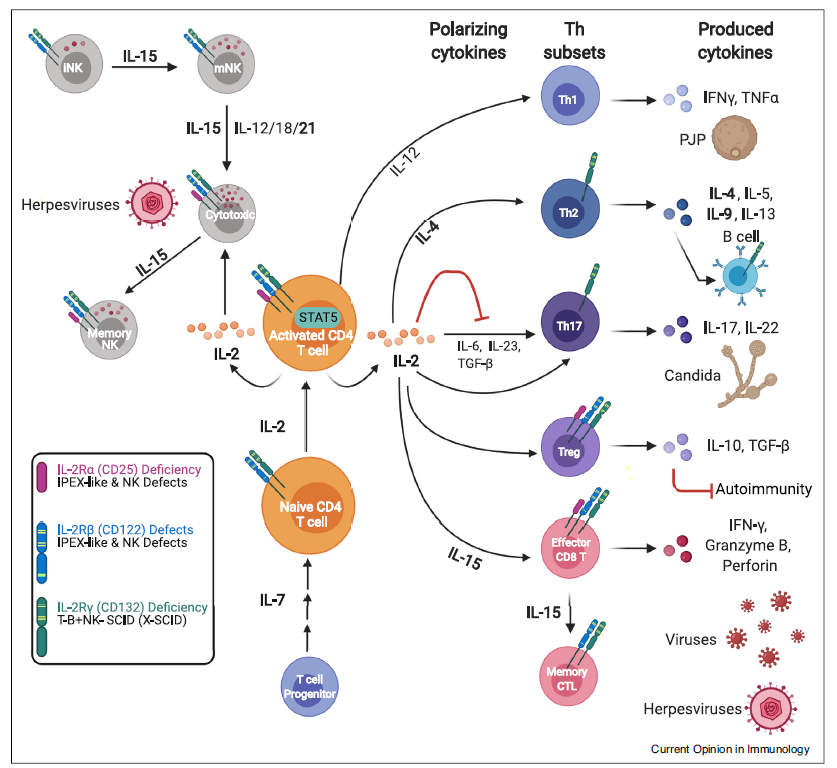
Figure 2: Schematic Diagram of T Cell Differentiation
Under the influence of antigens and cytokines, naive T cells can differentiate into TH1, TH2, TH17, TH9, TFH, Treg, and TFR (follicular regulatory) cells.
TH1 Cells
Naive T cells differentiate into TH1 cells in response to IL-12 or IFN-γ from antigen-presenting cells (APCs) and the upregulation of the transcription factor T-bet. IL-2 induces IFN-γ production and enhances T cell responsiveness to IL-12 by upregulating IL-12Rβ2. Additionally, IL-2-induced STAT5 signaling promotes Tbx21 expression, which encodes T-bet.
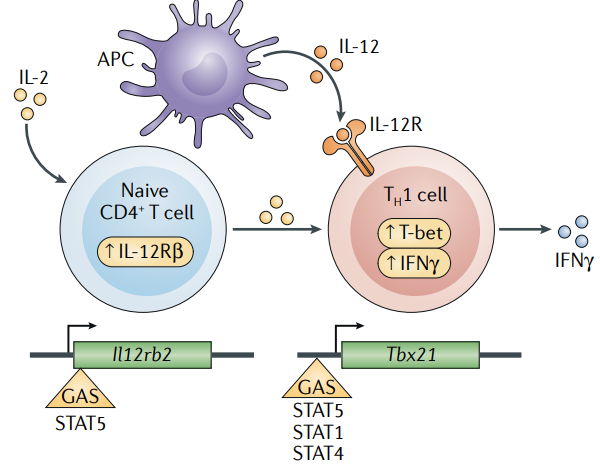
Figure 3: IL-2's Role in TH1 Cell Differentiation
IL-2 promotes TH1 differentiation by influencing BCL-6 (B-cell lymphoma 6 protein), while inhibiting differentiation into TFH cells. The T-bet/BCL-6 complex suppresses genes involved in TFH differentiation, thereby directing T cell fate. IL-2 also maintains glycolysis in TH1 cells, which is inhibited under high BCL-6 expression (low or absent IL-2), leading to memory T cell differentiation into TFH cells. Thus, IL-2 is crucial for maintaining the balance between TH1 and TFH cells.
TH2 Cells
Differentiation of CD4+ T cells into TH2 cells is associated with immune responses to extracellular parasites, allergens, and allergic asthma. IL-2 induces STAT5-mediated IL-4Rα expression, initiating TH2 differentiation. IL-2 also promotes epigenetic changes at the IL4 locus, enhancing TH2 differentiation and the expression of IL-4, IL-5, and IL-13.
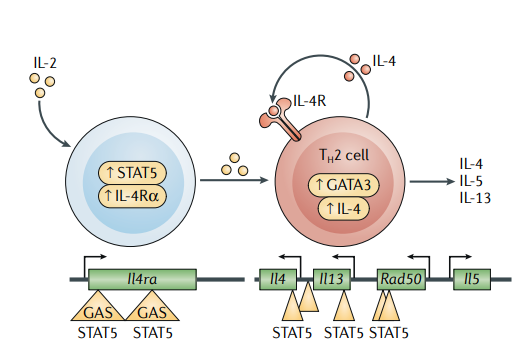
Figure 4: IL-2's Role in TH2 Cell Differentiation
TH17 Cells
TH17 cells are involved in immune responses against extracellular bacteria and fungi and are linked to autoimmune diseases. Differentiation into TH17 cells is initiated by TGFβ and IL-6, with IL-6 inducing RORγt expression via the STAT3 pathway. IL-2 inhibits TH17 differentiation by suppressing RORγt expression (via STAT5), inhibiting IL-6 receptor subunit genes, or competing with STAT3 for binding at the IL17a locus.
TH9 Cells
Differentiation into TH9 cells is promoted by TGFβ and IL-4, with both TH9 cells and innate lymphoid cells (ILCs) expressing IL-9. IL-2 is critical for TH9 differentiation and is a key inducer of IL-9 expression. TH9 differentiation is competitively regulated by IL-2 and IL-12, with IL-2-induced STAT5 promoting differentiation and IL-12-induced STAT3 inhibiting it.
Applications of IL-2
Recombinant IL-2 has been approved by the FDA for treating metastatic renal cell carcinoma and advanced melanoma. However, severe adverse effects and the expansion of immunosuppressive Treg cells limit its broader application in cancer therapy. Researchers have developed strategies to mitigate these effects, such as superkine IL-2 and ALKS 4230 (an IL-2/IL-2Rβ fusion protein).
In laboratory settings, IL-2 is used for:
Enhancing T cell survival and cytotoxic activity.
Promoting NK cell survival, activation, and functionality.
Combining IL-2 with IL-15 to enhance NK cell proliferation and activation.
Studying the affinity or activity of IL-2 with antibodies or drugs.
Recommended Recombinant Proteins from UA BIOSCIENCE
High Purity, Activity Verified, Ready-to-Ship!
IL-2 Recombinant Protein
Product Code: UA040057
Purity: >95% by SDS-PAGE
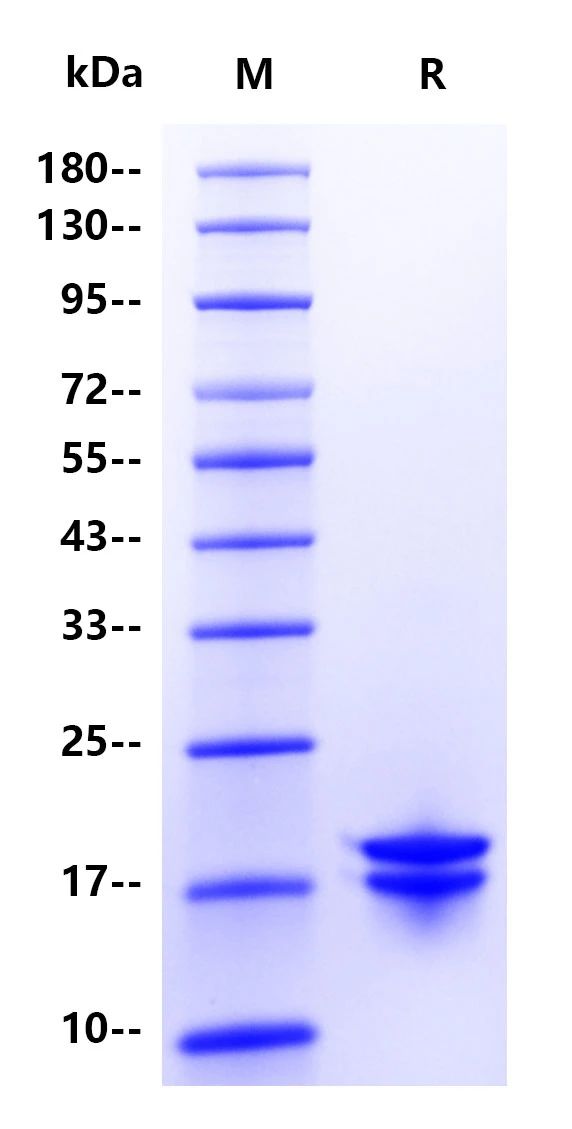
2μg (R: reducing conditions)
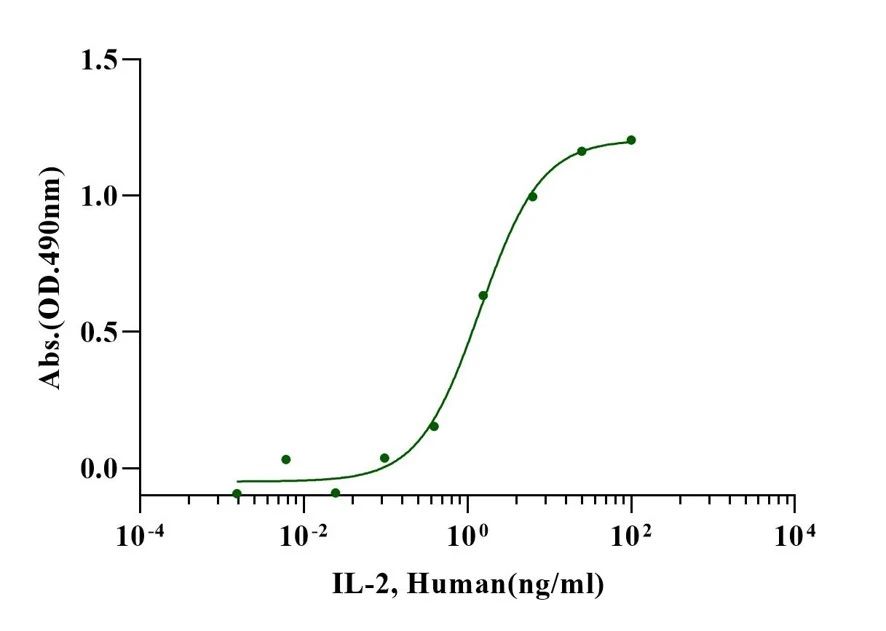
Biological Activity:measured in a cell proliferation assay using CTLL-2 cells. EC50 < 2.0ng/ml.
In addition to IL-2 recombinant protein, T cell activation experiments require CD3 and CD28 antibodies. Initial T cell activation requires dual signals:
Antigen recognition via the TCR-CD3 complex (antigen-specific).
Co-stimulatory signals via CD28 binding to B7-1 and B7-2 (non-antigen-specific).
Without the second signal, genes such as IL-2 are not transcriptionally activated, leading to T cell anergy or apoptosis. Activated T cells initiate transcription factor activation, gene expression, cytokine secretion, cell cycle entry, and differentiation into effector or memory subsets.
Click on the product catalog numbers below to be redirected to the official website for more details.
This article is reviewed and published by the technical expert team of UA
Disclaimer: This article partially utilizes artificial intelligence assistance in its creation. If any content involves copyright or intellectual property issues, please let us know and we promise to verify and remove it as soon as possible.
Purchase recombinant protein, choose Nanjing UA-Bio
UA protein focuses on providing various protein reagents, raw materials, and services required for drug research and development, cell therapy, gene therapy, and basic scientific research, including drug target proteins, immune checkpoint proteins, cytokines, tool enzymes, customized protein expression, and full-length transmembrane protein development. Youai is committed to providing customers with high-quality products and professional services, and building a High-tech Biological Enterprise with International Competitiveness.

1.Biology and regulation of IL-2:from molecular mechanisms to human therapy
2.Clean up by aisle 2: roles for IL-2 receptors in host defense and tolerance






 Business license (three certificates in one)