The role of IL-13 in exercise-induced skeletal muscle metabolic remodeling and its protein function study


Exercise is an important way to prevent and improve metabolic syndrome and other diseases, and its beneficial effects independent of weight changes suggest the involvement of humoral factors in regulating metabolic adaptation during exercise.
- Recent Advances
- Product Information
Summary
Exercise is a crucial approach for preventing and improving metabolic syndrome and related diseases. Its beneficial effects independent of weight changes suggest the involvement of humoral factors in regulating metabolic adaptations during exercise. Recent studies indicate that the type 2 cytokine IL-13 is induced during exercise and, by binding to its receptor IL-13Rα1 and activating the transcription factor Stat3 signaling, drives a shift in skeletal muscle fuel utilization from glycogen dependence to fatty acid oxidation and mitochondrial respiration. Loss of IL-13 signaling impairs exercise-mediated metabolic benefits, while enhancing its signaling can mimic the effects of exercise training, highlighting the central regulatory role of IL-13 protein in exercise-induced metabolic adaptations.
I. Biological Characteristics and Sources of IL-13
IL-13 is primarily secreted by activated T cells, type 2 innate lymphoid cells, and certain granulocytes. Traditionally recognized for its key role in allergic responses and type 2 immune responses, its function in metabolic regulation has gained increasing attention, particularly in skeletal muscle energy metabolism remodeling.
II. Exercise-Induced IL-13 Expression and Metabolic Remodeling
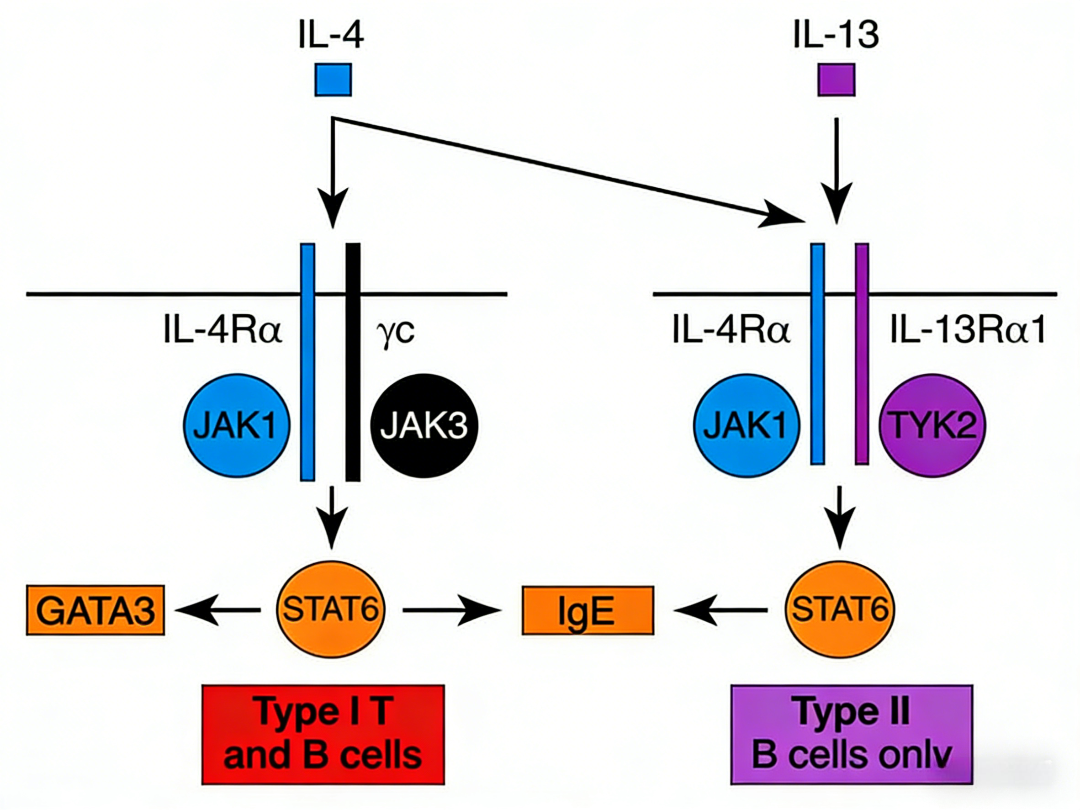
Exercise upregulates IL-13 expression in skeletal muscle, which activates the downstream Stat3 signaling pathway through its receptor complex IL-13Rα1/IL-4Rα. This signaling cascade induces a shift in muscle metabolic programs, manifested as:
1. Glycogen Preservation: Reduced reliance on glycogen breakdown during exercise;
2. Enhanced Fatty Acid Oxidation: Promotes fat as an energy source;
3. Promotion of Mitochondrial Biogenesis and Respiration: Improves aerobic metabolic capacity and optimizes energy utilization efficiency.
III. Functional Validation of IL-13 Signaling in Exercise-Induced Metabolic Adaptations
Gene knockout studies show that IL-13-deficient mice (Il13⁻/⁻) fail to exhibit normal enhancements in mitochondrial biogenesis, running endurance, or glucose improvement after exercise training. Conversely, enhancing IL-13 signaling in muscles significantly increases running distance, glucose tolerance, and mitochondrial activity in untrained mice, mimicking the effects of endurance exercise. Further studies confirm that loss of IL-13Rα1 or Stat3 leads to reduced exercise capacity, underscoring the critical role of this signaling pathway in exercise adaptation.
IV. Research Value of IL-13 Protein in Metabolic Regulation
Based on these mechanisms, IL-13 protein has become an important target for studying exercise-induced metabolic adaptations and developing related interventions. It holds clear research and application prospects in the following areas:
1. Mechanistic Insights: Serves as a signaling node to study the intersection of exercise, immunity, and metabolism;
2. Exercise-Mimicking Strategies: Explores the possibility of simulating exercise benefits through IL-13 signaling modulation;
3. Disease Intervention: Provides new therapeutic targets for metabolic syndrome, sarcopenia, and insulin resistance.
V. Conclusion
As an exercise-induced humoral factor, IL-13 drives a shift in skeletal muscle metabolism from glycolysis to fatty acid oxidation and mitochondrial respiration by activating the IL-13Rα1/Stat3 signaling axis, thereby optimizing energy utilization, enhancing exercise endurance, and improving metabolic health. This research not only reveals a novel function of immune factors in exercise physiology but also provides a critical foundation for IL-13 protein-based metabolic regulation studies and applications.
VI. Which Manufacturers Provide IL-13 Protein?
Nanjing U-Protein's independently developed IL-13 Protein, Human (Catalog No.: UA040506) is a high-purity, high-activity recombinant human interleukin-13 (IL-13) produced using a mammalian expression system, with spatial conformation and post-translational modifications consistent with the native protein. This product has undergone rigorous validation for purity, stability, and bioactivity, making it an essential tool for studying type 2 immune responses, allergic diseases, asthma mechanisms, and targeted drug development.
| Core Product Advantages |
|---|
| High Purity and Native Conformation: Expressed in a mammalian system to ensure proper folding and glycosylation. Purified via multi-step chromatography with >95% purity and low endotoxin levels, faithfully mimicking the bioactivity of native IL-13. |
| Exceptional Bioactivity: Validated by IL-13-dependent cell (e.g., TF-1) proliferation assays, demonstrating high specific activity. Effectively activates the IL-13Rα1/IL-4Rα receptor complex and downstream STAT6 signaling, suitable for cellular function studies and in vitro efficacy evaluations. |
| Broad Application Compatibility: Compatible with multiple experimental systems, including cell stimulation and signaling studies, antibody/inhibitor screening (e.g., ELISA/SPR/BLI competitive binding assays), as a standard for quantitative detection, and as an immunogen for antibody development. |
| Superior Stability and Batch Consistency: Standardized production and strict quality control ensure consistent purity, activity, and stability across batches, guaranteeing experimental reproducibility and data reliability. |
| Expert Technical Support: We provide detailed product documentation, recommended protocols, storage guidelines, and professional consultation for IL-13 research in allergies, asthma, fibrosis, tumor microenvironments, and more. |
Nanjing U-Protein is committed to providing high-quality core protein tools for immunology research, disease model construction, and innovative drug development. For detailed technical specifications, activity validation data, or application inquiries regarding IL-13 Protein, Human (Catalog No.: UA040506), please feel free to contact us.
This article is reviewed and published by the technical expert team of UA
Disclaimer: This article partially utilizes artificial intelligence assistance in its creation. If any content involves copyright or intellectual property issues, please let us know and we promise to verify and remove it as soon as possible.
Purchase recombinant protein, choose 
UA protein focuses on providing various protein reagents, raw materials, and services required for drug research and development, cell therapy, gene therapy, and basic scientific research, including drug target proteins, immune checkpoint proteins, cytokines, tool enzymes, customized protein expression, and full-length transmembrane protein development. Nanjing Univ is committed to providing customers with high-quality products and professional services, and building a High-tech Biological Enterprise with International Competitiveness.







 Business license (three certificates in one)