Challenges in Targeting KRAS G12D Mutation and Novel PROTAC Technology Strategies


The KRAS gene is one of the most frequently mutated proto-oncogenes in human cancers. Among the RAS gene family (KRAS, NRAS, HRAS), KRAS mutations account for approximately 85%, and its encoded protein serves as a critical molecular switch.
- Recent Advances
I. Clinical Significance of KRAS G12D Mutation
The KRAS gene is one of the most frequently mutated proto-oncogenes in human cancers. Among the RAS gene family (KRAS, NRAS, HRAS), KRAS mutations account for approximately 85%. The encoded protein acts as a critical molecular switch, regulating downstream signaling pathways through GDP/GTP binding state transitions, thereby driving tumorigenesis. Mutations are primarily concentrated at codons 12, 13, 61, and 146, with codon 12 mutations being the most common. KRAS G12D is one of the most prevalent mutation subtypes at this position, particularly dominant in pancreatic cancer (occurrence rate ~87% in Chinese populations) and colorectal cancer (~49%), but relatively less common in non-small cell lung cancer. Due to its high occurrence rate and clear oncogenic driver role, KRAS G12D has become a core target urgently needing breakthroughs in tumor-targeted therapy.
II. Traditional Strategies and Inherent Challenges in Targeting KRAS G12D
Although covalent inhibitors targeting the KRAS G12C mutant have been successfully marketed, proving that the "undruggability" of KRAS is not absolute, the development of targeted drugs for KRAS G12D still faces multiple severe challenges:
1. Lack of covalent binding sites: The G12D mutation replaces glycine (Gly) with aspartic acid (Asp). This amino acid residue lacks nucleophilic groups (such as the thiol group of cysteine) that are prone to covalent binding, making the covalent inhibitor strategy successfully applied to G12C unsuitable for direct adaptation.
2. Protein structural limitations: The KRAS protein surface is relatively smooth, traditionally lacking "deep pockets" suitable for high-affinity small-molecule binding. Although the Switch-II pocket in the inactive state (GDP-bound state) is a potential binding site, developing highly selective and potent non-covalent inhibitors for this pocket is extremely challenging.
3. Biochemical property differences: Compared to the G12C mutant, the G12D mutation further reduces the GTP hydrolysis rate, causing the protein to prefer a persistently activated GTP-bound state. This reduces the time window for it to adopt the inactive conformation that can be targeted by certain inhibitors.
These factors collectively result in slow progress in developing highly effective and selective small-molecule inhibitors for KRAS G12D, with no drugs approved for market use to date. This highlights the necessity of exploring novel mechanisms of action.
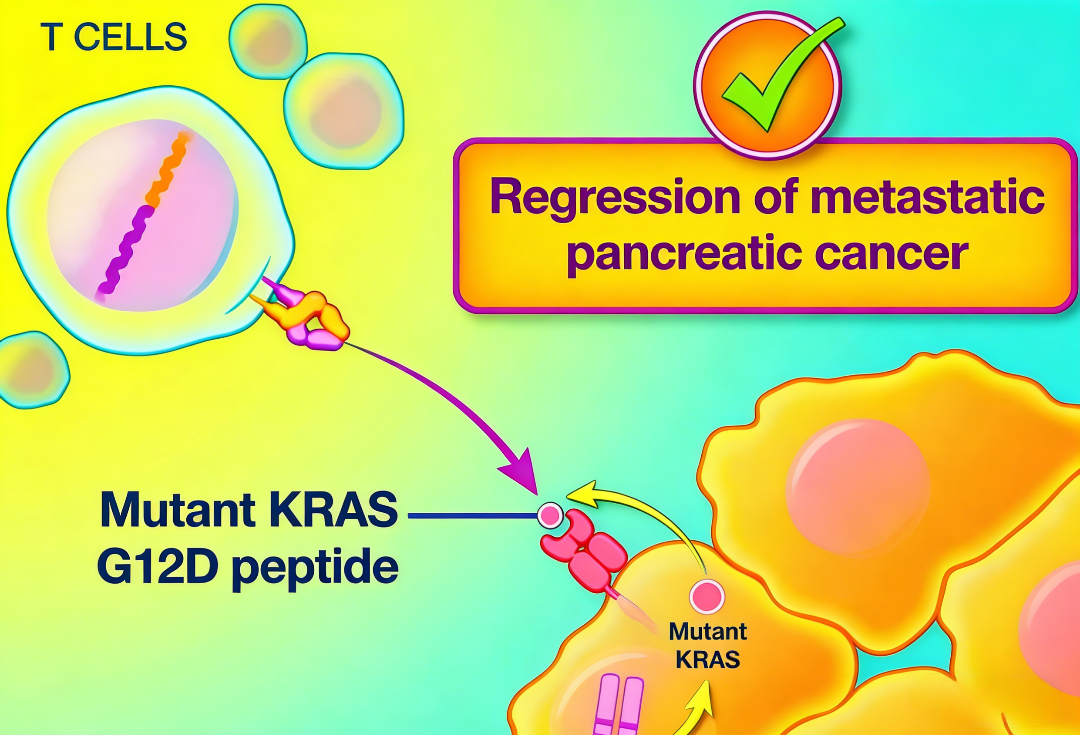
III. PROTAC Technology: An Innovative Approach to Break the "Undruggable" Dilemma of KRAS G12D
Emerging modalities represented by proteolysis-targeting chimera (PROTAC) technology provide a novel strategy beyond traditional occupancy-driven inhibitors for targeting KRAS G12D. The KRAS[G12D] / CRBN PROTAC Kit is a cutting-edge research tool developed based on this strategy.
| Key Points | Detailed Explanation |
|---|---|
| 1. Mechanism of Action | The PROTAC molecule in this kit is a bifunctional small molecule. One end is designed to specifically bind the mutant KRAS G12D protein, while the other end efficiently recruits the E3 ubiquitin ligase CRL4CRBN (whose substrate receptor is CRBN). By forming a stable ternary complex, the E3 ligase promotes polyubiquitination of KRAS G12D, leading to its recognition and degradation by the cellular 26S proteasome. |
| 2. Potential Advantages Over Traditional Inhibitors | - Revolutionary mode of action: Unlike inhibiting KRAS GTPase activity or competitively occupying its GTP-binding site, PROTAC directly eliminates the oncogenic protein itself, fundamentally removing its function. - Potential to overcome structural limitations: PROTAC molecules may require lower binding affinity for the target protein compared to traditional inhibitors, and their efficacy depends on event-driven degradation cycles rather than prolonged occupancy. This offers possibilities for targeting KRAS G12D, which lacks ideal drug-binding pockets. - Potential to address resistance: For resistance caused by upstream reactivation, bypass signaling, or target mutations, degrading the target protein may be more effective than inhibiting its single function. |
| 3. R&D and Application Value | Using the KRAS[G12D] / CRBN PROTAC Kit, researchers can: - Directly validate the feasibility, efficiency, and kinetics of inducing KRAS G12D protein degradation in cellular and preclinical models. - Systematically evaluate the blocking effects of protein degradation on downstream oncogenic signaling pathways such as MAPK/ERK and PI3K/AKT. - Investigate the impact of degradation strategies on tumor cell proliferation, apoptosis, migration, and other malignant phenotypes. - Provide lead compounds and proof-of-concept for developing KRAS G12D-targeted drug candidates based on protein degradation. |
IV. Summary and Outlook
The KRAS G12D mutation occurs at high frequencies in multiple solid tumors, creating a massive and urgent need for targeted therapies. Traditional small-molecule inhibitor strategies face bottlenecks due to its unique biochemical and structural characteristics. Protein degradation strategies represented by PROTAC technology, which leverage the cell's natural protein clearance system, open a promising new direction for tackling this "undruggable" target. The KRAS[G12D] / CRBN PROTAC Kit, as a critical research tool in this field, will accelerate the exploration and validation of KRAS G12D degradation mechanisms, driving the development of next-generation targeted therapies. Ultimately, this may bring revolutionary treatment options to patients harboring this mutation. In the future, therapies combining precise genotyping and innovative mechanisms of action will profoundly transform the treatment landscape for KRAS-mutant tumors.
V. Which Manufacturers Provide the KRAS[G12D] / CRBN PROTAC Kit?
Nanjing YouAi Protein has independently developed the TR-FRET Human KRAS[G12D] / CRBN PROTAC Binding Kit (Catalog No.: UA086002). This is a high-performance detection platform based on advanced time-resolved fluorescence resonance energy transfer (TR-FRET) technology, specifically designed for the precise quantification of ternary complex formation between PROTAC-mediated KRAS[G12D] mutant protein and the CRBN E3 ubiquitin ligase. This kit provides a sensitive, rapid, and homogeneous in vitro detection solution for the development of protein degradation therapies, drug screening, and mechanism studies targeting the undruggable KRAS G12D.
| Core Advantages of the Product |
|---|
| High Sensitivity and Low Background Noise: Utilizing TR-FRET detection technology, time-resolved and dual-wavelength measurements effectively reduce sample autofluorescence and compound interference, significantly improving the signal-to-noise ratio. This is particularly suitable for high-precision analysis of low-abundance ternary complexes. |
| Physiological Ternary Complex Conformation Simulation: The kit provides rigorously validated high-purity, high-activity human KRAS[G12D] mutant protein and CRBN complex, both maintaining correct spatial conformations and intact biological functions. This enables accurate simulation of PROTAC-induced target protein-E3 ligase ternary complex assembly. |
| Homogeneous Detection and Convenient Operation: The "mix-incubate-detect" homogeneous operation mode eliminates washing steps, simplifying the workflow and enabling compatibility with automated workstations for high-throughput screening, greatly improving experimental efficiency. |
| Excellent Stability and Batch Consistency: Advanced recombinant expression systems and strict quality control processes ensure high-purity protein products with superior long-term stability and outstanding batch consistency, providing reliable support for continuous drug screening and mechanism studies. |
| Complete Solution and Professional Support: We provide detailed and optimized experimental protocols, standard curve examples, and result interpretation guides. Additionally, we offer professional technical support for various application needs, such as PROTAC molecule screening, linker optimization, and degradation activity correlation analysis. |
Nanjing YouAi Protein is committed to providing cutting-edge, high-quality core reagents and tools for undruggable target degradation, precision cancer therapy, and innovative drug development. For detailed technical information, validation data, or specific application inquiries regarding the TR-FRET Human KRAS[G12D] / CRBN PROTAC Binding Kit (Catalog No.: UA086002), please feel free to contact us.
This article is reviewed and published by the technical expert team of UA
Disclaimer: This article partially utilizes artificial intelligence assistance in its creation. If any content involves copyright or intellectual property issues, please let us know and we promise to verify and remove it as soon as possible.
Purchase recombinant protein, choose 
UA protein focuses on providing various protein reagents, raw materials, and services required for drug research and development, cell therapy, gene therapy, and basic scientific research, including drug target proteins, immune checkpoint proteins, cytokines, tool enzymes, customized protein expression, and full-length transmembrane protein development. Nanjing Univ is committed to providing customers with high-quality products and professional services, and building a High-tech Biological Enterprise with International Competitiveness.







 Business license (three certificates in one)