




Clinical Study on Dexmedetomidine-Mediated IL-13 Pathway Improving Perioperative Inflammation and Hemodynamics in Cardiac Surgery


Cardiac surgery under extracorporeal circulation is an important means of treating severe heart diseases, but surgical trauma and non-physiological perfusion during extracorporeal circulation often trigger significant systemic inflammatory responses.
- Recent Advances
- Product Information
I. Research Background and Scientific Questions
Cardiac surgery under cardiopulmonary bypass (CPB) is a critical treatment for severe heart diseases. However, surgical trauma and non-physiological perfusion during CPB often trigger significant systemic inflammatory responses. This excessive inflammatory stress is closely associated with postoperative organ dysfunction, hemodynamic instability, and adverse clinical outcomes. Therefore, exploring effective perioperative anti-inflammatory strategies is an important research direction for improving patient prognosis. Dexmedetomidine, a highly selective α2-adrenergic receptor agonist, has attracted attention not only for its sedative, analgesic, and sympathetic inhibitory effects but also for its potential anti-inflammatory properties. This prospective randomized controlled trial aims to systematically evaluate the specific effects of perioperative continuous infusion of dexmedetomidine on inflammatory responses and hemodynamics in patients undergoing CPB cardiac surgery.
II. Key Findings: Dexmedetomidine Elevates IL-13 Levels and Improves Clinical Indicators
This single-center, randomized, double-blind controlled clinical trial enrolled 80 adult patients undergoing CPB cardiac surgery, who were randomly assigned to either the standard anesthesia group or the dexmedetomidine intervention group (continuous infusion from anesthesia induction until CPB at a dose of 0.5 μg/kg/h). The results demonstrated clear anti-inflammatory effects and clinical benefits from dexmedetomidine intervention.
1. Significant Upregulation of Anti-Inflammatory Factor IL-13: One of the primary findings was dexmedetomidine's regulatory effect on specific cytokines. At 24 hours postoperatively, plasma levels of the anti-inflammatory cytokine interleukin-13 (IL-13) were significantly higher in the dexmedetomidine group compared to the control group, where the levels showed a declining trend. IL-13 protein, a key regulator of type 2 immune responses, is known to inhibit pro-inflammatory mediator production and promote tissue repair. Its elevated levels may represent a crucial molecular mechanism underlying dexmedetomidine's anti-inflammatory effects.
2. Trends in Pro-Inflammatory Factors: Although no statistically significant differences were observed in major pro-inflammatory factors such as IL-6 and IL-18 at 24 hours postoperatively, the dexmedetomidine group exhibited lower numerical trends. Additionally, neither group showed statistically significant increases in IL-1β or TNF-α compared to baseline, but the rise in TNF-α was less pronounced in the dexmedetomidine group.
3. Improved Hemodynamic Stability and Safety: In terms of clinical outcomes, the dexmedetomidine group demonstrated superior hemodynamic and respiratory stability. Compared to the control group, the intervention group had lower incidences of intraoperative and postoperative adverse events such as hypotension, bradycardia, and tachycardia, indicating that dexmedetomidine enhances perioperative circulatory management controllability and safety while providing anti-inflammatory benefits.
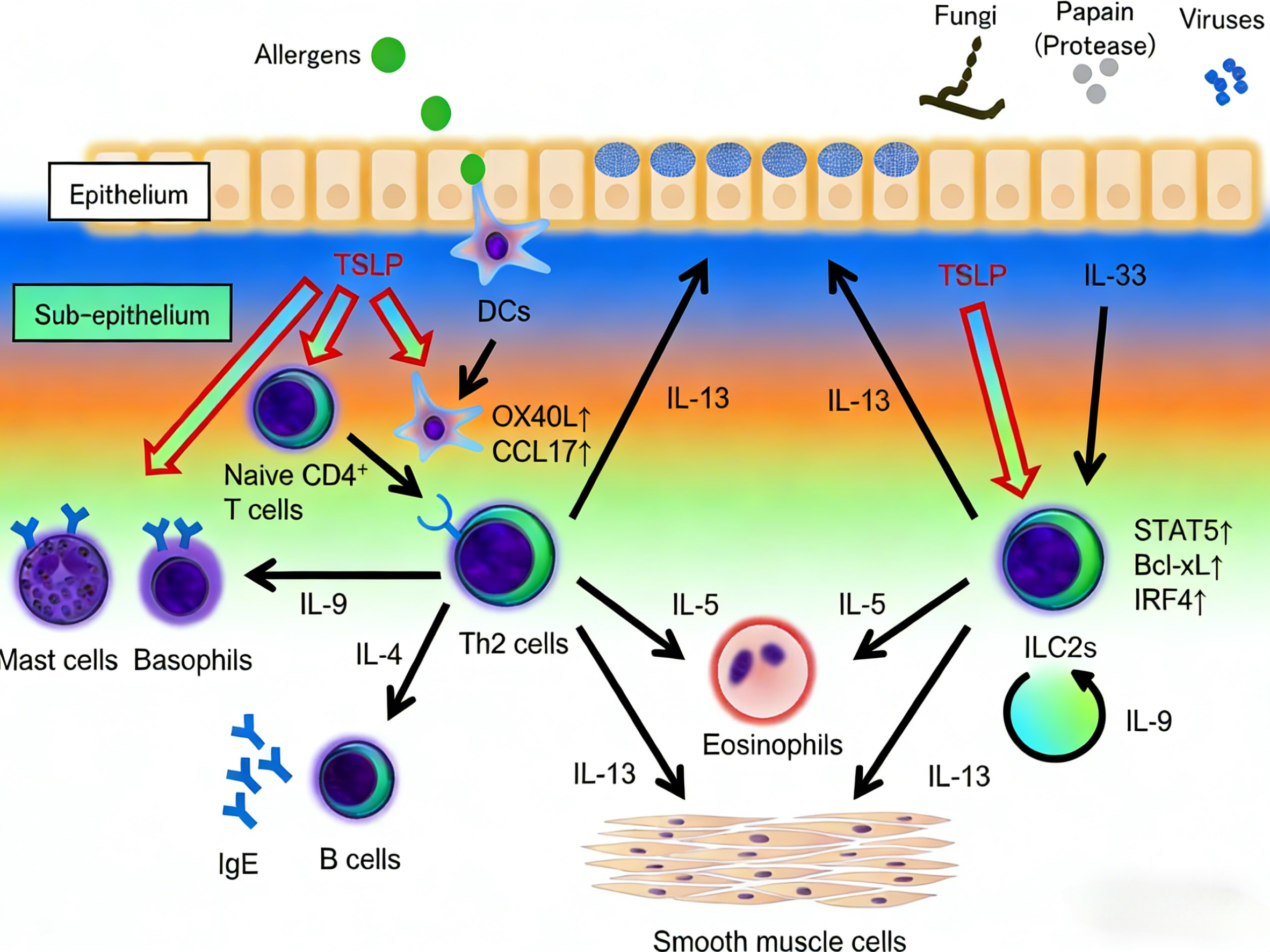
III. Significance of IL-13 Protein in Mechanistic Exploration
In this study's mechanistic interpretation, the detection of IL-13 protein played a pivotal role. As a clearly measured effector molecule, its level changes provided direct biological evidence linking dexmedetomidine's pharmacological effects. Although the study did not delve into the specific signaling pathways by which dexmedetomidine upregulates IL-13 (potentially through central α2 receptor-mediated neuro-immune modulation or direct effects on immune cell function), the identification of IL-13 protein as a downstream key effector molecule points the way for further basic research. Future studies could utilize animal models or cell experiments to explore the causal relationship and molecular mechanisms between dexmedetomidine and IL-13 expression regulation.
IV. Summary and Clinical Implications
This study confirms that continuous perioperative infusion of dexmedetomidine, starting from anesthesia induction during CPB cardiac surgery, effectively modulates patients' inflammatory response profiles. This is manifested by promoting the generation of the anti-inflammatory factor IL-13 protein and potentially suppressing the upward trend of certain pro-inflammatory factors. Simultaneously, this dosing strategy significantly improves perioperative hemodynamic stability and reduces the risk of adverse events.
These findings provide new evidence-based medical rationale for dexmedetomidine's application in major cardiac surgeries beyond its traditional sedative effects. By modulating immune balance represented by IL-13, dexmedetomidine may serve as a valuable adjunctive drug to mitigate inflammation-related damage in cardiac surgery, offering a potential strategy to improve postoperative recovery and clinical outcomes. Future large-scale multicenter studies are needed to validate these findings and further clarify its efficacy and optimal dosing regimens in different patient subgroups.
V. Which Manufacturers Provide IL-13 Protein?
Nanjing YouAi Protein independently developed IL-13 Protein, Human (Catalog No.: UA040506), a high-purity, high-activity recombinant human interleukin-13 (IL-13) protein produced using a mammalian expression system. This product maintains the spatial conformation and post-translational modifications consistent with the natural protein. Rigorously validated for purity, stability, and biological activity, it serves as an essential tool for studying type 2 immune responses, allergic diseases, asthma mechanisms, and targeted drug development.
| Core Product Advantages |
|---|
| High Purity and Native Conformation: Expressed via a mammalian system to ensure proper folding and glycosylation. Purified through multiple chromatography steps with >95% purity and low endotoxin levels, accurately mimicking the bioactivity of native IL-13. |
| Exceptional Bioactivity: Validated via IL-13-dependent cell (e.g., TF-1) proliferation assays, exhibiting high specific activity. Capable of effectively activating the IL-13Rα1/IL-4Rα receptor complex and downstream STAT6 signaling pathways, suitable for cell function studies and in vitro efficacy evaluations. |
| Broad Application Compatibility: Compatible with various experimental systems, including cell stimulation and signal transduction research, antibody/inhibitor screening (e.g., ELISA/SPR/BLI competitive binding assays), use as a standard for quantitative detection, and as an immunogen for antibody development. |
| Superior Stability and Batch Consistency: Manufactured using standardized processes and strict quality control systems to ensure consistent purity, activity, and stability across batches, guaranteeing experimental reproducibility and data reliability. |
Professional Technical Support: We provide detailed product technical documentation, recommended experimental protocols, storage guidelines, and expert technical consultation and support for IL-13 research in allergies, asthma, fibrosis, tumor microenvironments, and other fields.
Nanjing YouAi Protein is committed to providing high-quality core protein tools for immunology research, disease model construction, and innovative drug development. For detailed technical parameters, activity validation data, or application inquiries regarding IL-13 Protein, Human (Catalog No.: UA040506), please feel free to contact us.
Disclaimer: This article partially utilizes artificial intelligence assistance in its creation. If any content involves copyright or intellectual property issues, please let us know and we promise to verify and remove it as soon as possible.
Purchase recombinant protein, choose Nanjing UA-Bio
UA protein focuses on providing various protein reagents, raw materials, and services required for drug research and development, cell therapy, gene therapy, and basic scientific research, including drug target proteins, immune checkpoint proteins, cytokines, tool enzymes, customized protein expression, and full-length transmembrane protein development. Youai is committed to providing customers with high-quality products and professional services, and building a High-tech Biological Enterprise with International Competitiveness.







 Business license (three certificates in one)