




Decoding EphA3: New Explorations of the Mechanisms of Tumorigenesis and Development and Targeted Therapy


EphA3 is a member of the Eph receptor family. Its abnormal alterations are closely associated with the occurrence and development of various tumors, which may lead to changes in the morphological characteristics and biological properties of cells, such as alterations in cell growth and survival rate, cell adhesion, cell migration, and anti-apoptotic ability.
- Recent Advances
- Product Information
- Reference
The Discovery and Structural Basis of EphA3
In the research fields of cell biology and oncology, the receptor tyrosine kinases (RTKs) family has always attracted much attention. Among them, the Eph receptor family, as the largest branch of RTKs, plays an indispensable role in processes such as cell growth, differentiation, and migration. As an important member of the Eph receptor family, EphA3 has become a research hotspot in recent years. Its complex functions in tumorigenesis and development, as well as its great potential as a potential therapeutic target, have brought new hope and directions for conquering cancer.
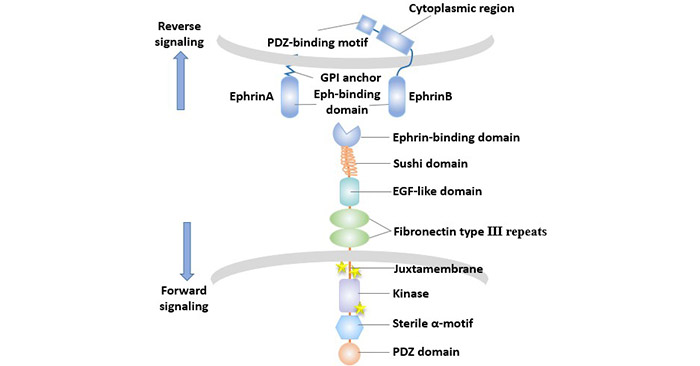
The EphA3 receptor was initially isolated from the surface of human pre-B lymphoid leukemia cells, thus opening the door to in-depth research on it. The EphA3 gene is located in the 3p11.2 region of chromosome 3, and this region frequently undergoes mutations in a variety of tumor tissues. This phenomenon implies a close connection between EphA3 and tumors. Structurally, the EphA3 receptor has an extracellular ligand-binding region, an intracellular functional region with tyrosine kinase activity, and a transmembrane region connecting the two. The globular domain in the extracellular domain is the key site for ligand binding, and the integrity of its structure is crucial for the function of the receptor. The tyrosine kinase activity domain, SAM domain, and PDZ domain in the intracellular region play their unique roles in the signal transduction process, jointly regulating the biological behavior of cells.
The Ligands and Binding Characteristics of EphA3
The main ligands of EphA3 are Ephrin-B2 and Ephrin-A5. According to the different attachment methods to the cell membrane, Ephrin ligands are divided into two subtypes, A and B. Only the membrane-bound form of the ligand is active, and the soluble form is not only inactive but also acts as an antagonist. This characteristic makes the interaction between EphA3 and its ligands more complex and also increases the difficulty of studying its functions.
The Expression Differences of EphA3 in Physiological and Pathological States
Under normal physiological conditions, EphA3 is highly expressed in multiple tissues such as the brain, spinal cord, lungs, and kidneys at various stages of embryonic development. It plays a key role in the normal development of the embryo, especially in the development of the nervous system. For example, EphA3 plays an indispensable role in the development of the retinal tectum. However, in normal adult tissues, the expression level of EphA3 is extremely low, and it is only relatively highly expressed in a few tissues such as the retina. In the tumor environment, however, EphA3 shows a completely different performance. In a variety of solid tumors such as gastric cancer, lung cancer, and kidney cancer, as well as some hematopoietic system tumors and lymphocytic tumors, EphA3 is often abnormally expressed. The changes in its expression level are closely related to the invasion, metastasis of tumors, and the prognosis of patients, making it an important biomarker in tumor research.
The Multiple Roles of EphA3 in Tumor Development
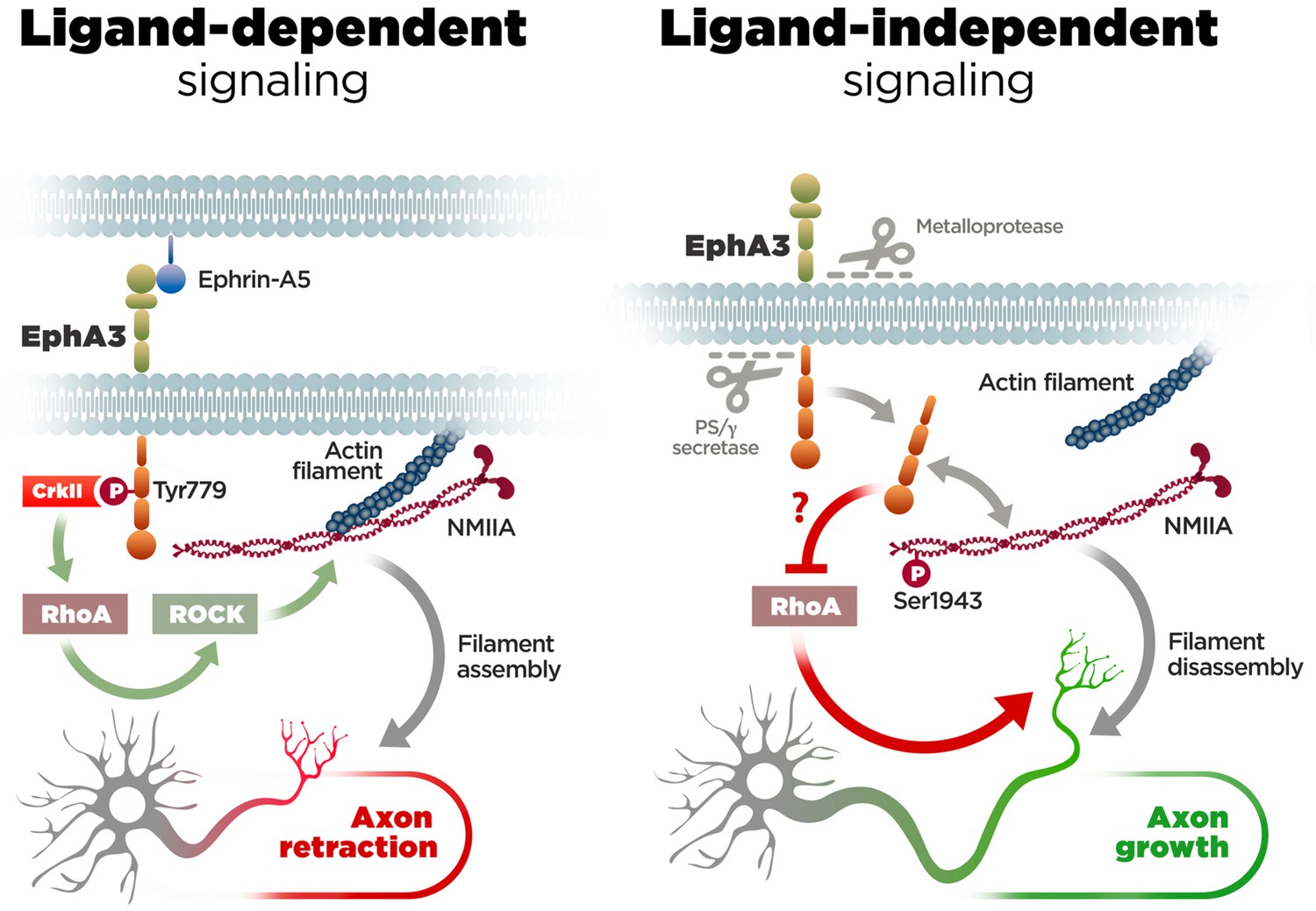
During the process of tumorigenesis and development, EphA3 plays multiple roles. On the one hand, it affects the migration and invasion abilities of tumor cells by regulating cell-cell adhesion and contraction responses. The transmembrane metalloprotease ADAM10 can recognize and disrupt the EphA3-Ephrin-A5 complex, thereby regulating the interaction between cells and affecting the adhesion and detachment of tumor cells, creating conditions for tumor metastasis. On the other hand, EphA3 is also involved in the process of tumor angiogenesis, providing necessary nutritional support for tumor growth. In addition, EphA3 may also play a certain role in the maintenance of tumor stem cells, which further increases the complexity of tumor treatment.
It is worth noting that the roles of EphA3 in different tumors are not completely consistent. In melanoma, the activation of highly expressed EphA3 induces Rho-dependent cytoskeleton reorganization and cell retraction, promoting tumor metastasis. In small cell lung cancer, however, the excessive expression of EphA3 can increase the apoptosis rate of tumor cells and the cell cycle arrest in the G0/G1 phase, reducing the resistance to chemotherapeutic drugs. This difference indicates that the functions of EphA3 in tumors are regulated by multiple factors, and in-depth study of these mechanisms is of great significance for the precise treatment of tumors.
Exploration of Therapeutic Strategies Targeting EphA3
Given the crucial role of EphA3 in tumors, the therapeutic strategies targeting it have become a key research direction. Currently, the targeted therapies for EphA3 mainly include the use of kinase inhibitors and monoclonal antibodies, etc. Researchers have attempted to block EphA3 with the highly adhesive ligand EphrinA5 of soluble EphA3 to inhibit its function of promoting tumor growth. The monoclonal antibody IIIA4 and its modified version KB004 have received even more attention. IIIA4 can specifically target the N-terminus of the extracellular domain of EphA3 and has a relatively high affinity for EphA3. KB004, while retaining the high affinity, has a powerful antibody-dependent cellular cytotoxicity (ADCC). It has currently entered the clinical development stage and is being evaluated in phase I/II clinical trials for patients with hematological malignancies. These research achievements have brought new hope for tumor treatment and are expected to provide more effective treatment options for cancer patients.
Research Prospects and Challenges
With the continuous in-depth research on EphA3, we have a clearer understanding of its mechanism of action in tumorigenesis and development. However, the current research still faces some challenges. For example, how to more precisely regulate the functions of EphA3 to avoid adverse effects on normal tissues; how to further optimize the targeted treatment strategies to improve the treatment effect, and so on.
This article is reviewed and published by the technical expert team of UA
Disclaimer: This article partially utilizes artificial intelligence assistance in its creation. If any content involves copyright or intellectual property issues, please let us know and we promise to verify and remove it as soon as possible.
Purchase recombinant protein, choose Nanjing UA-Bio
UA protein focuses on providing various protein reagents, raw materials, and services required for drug research and development, cell therapy, gene therapy, and basic scientific research, including drug target proteins, immune checkpoint proteins, cytokines, tool enzymes, customized protein expression, and full-length transmembrane protein development. Youai is committed to providing customers with high-quality products and professional services, and building a High-tech Biological Enterprise with International Competitiveness.

[1] Wicks I P, Wilkinson D, Boyd E S W. Molecular Cloning of HEK, the Gene Encoding a Receptor Tyrosine Kinase Expressed by Human Lymphoid Tumor Cell Lines [J]. Proceedings of the National Academy of Sciences of the United States of America, 1992, 89(5): 1611-1615.
[2] Ogawa K. EphB2 and ephrin-B1 expressed in the adult kidney regulate the cytoarchitecture of medullary tubule cells through Rho family GTPases [J]. Journal of Cell Science, 2006, 119(3): 559-570.
[3] Feldheim D A. Loss-of-Function Analysis of EphA Receptors in Retinotectal Mapping [J]. Journal of Neuroscience, 2004, 24(10): 2542-2550.
[4] Lisabeth E M, Fernandez C, Pasquale E B. Cancer Somatic Mutations Disrupt Functions of the EphA3 Receptor Tyrosine Kinase through Multiple Mechanisms [J]. Biochemistry, 2012, 51(7): 1464-1475.






 Business license (three certificates in one)