




Application of Human T Cell Activation Kits in Cell Therapy


T lymphocytes are the core executors of the human adaptive immune system, playing a critical role in anti-infection and anti-tumor immune responses.
- Recent Advances
- Product Information
I. Introduction
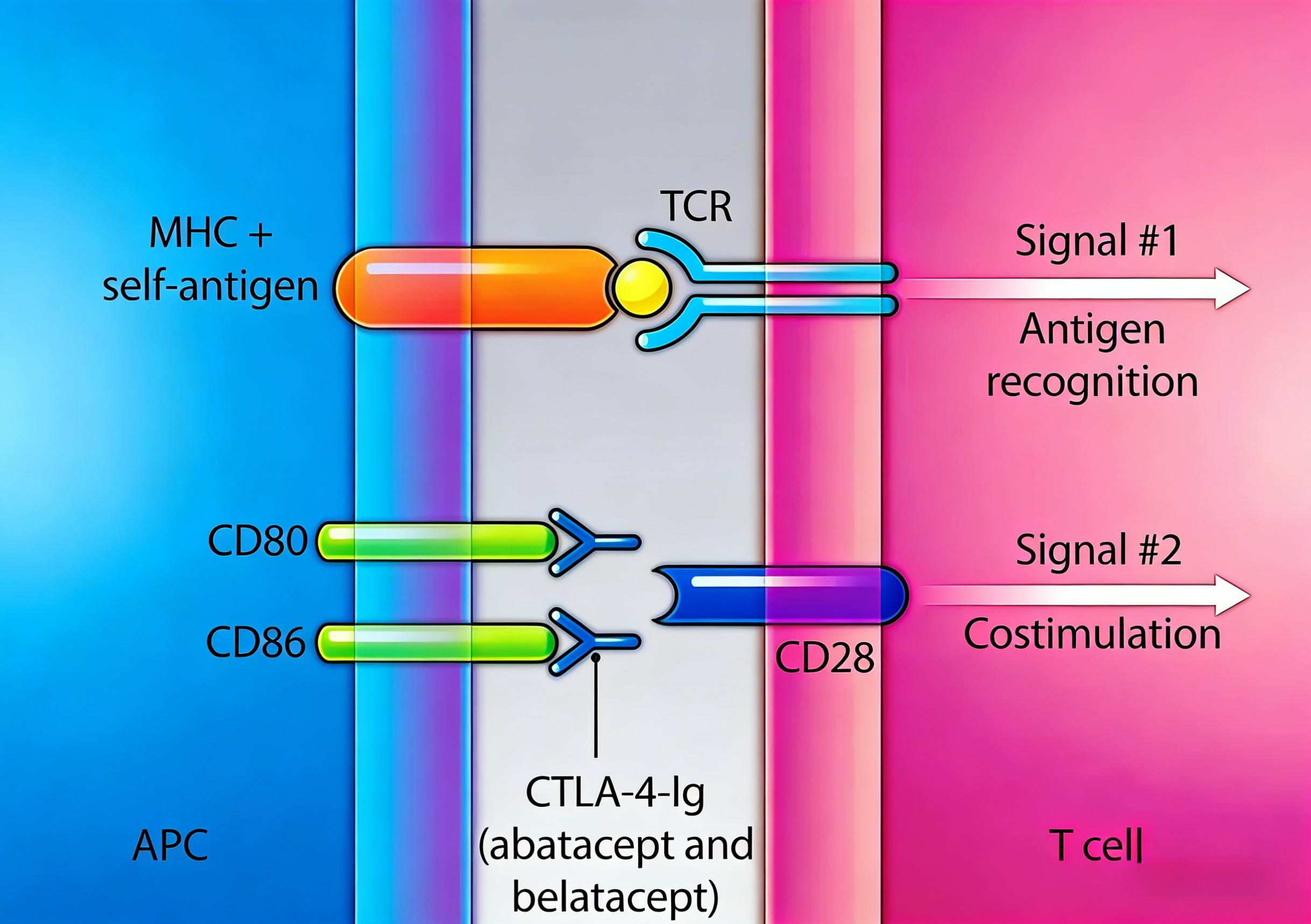
T lymphocytes are the core executors of the human adaptive immune system, playing a pivotal role in anti-infective and anti-tumor immune responses. The activation of T cells in vivo requires dual-signal stimulation: the first signal is provided by the T cell receptor (TCR) recognizing the MHC-peptide complex on the surface of antigen-presenting cells (APCs); the second signal is delivered through the interaction of co-stimulatory molecules such as CD28 with their corresponding ligands. Studies have confirmed that T cells receiving only the first signal without co-stimulation rapidly enter a state of hypo-responsiveness or anergy. In adoptive immunotherapy, the efficient activation and expansion of functional T cells in vitro have become a technical cornerstone. The Human T Cell Activation Kit provides standardized solutions for the research and production of cell therapies such as CAR-T, TIL, and Treg by offering activation components that mimic the dual signals in vivo.
II. Dual-Signal Mechanism of T Cell Activation
Complete T cell activation relies on two independent yet synergistic signaling pathways. The first signal is triggered by the TCR/CD3 complex recognizing the antigen peptide-MHC molecule complex on the APC surface, determining the specificity of the T cell response. The second signal is mediated by co-stimulatory molecules, with the interaction between CD28 and B7 family molecules (CD80/CD86) on APCs being the most classic co-stimulatory pathway. Additionally, adhesion molecules such as LFA-1 and ICAM-1 participate in stabilizing intercellular interactions and providing auxiliary signals.
The clinical significance of the dual-signal model lies in the fact that when T cells receive only the first signal via TCR without co-stimulation, they fail to be effectively activated and instead enter a state of clonal anergy, a key mechanism for maintaining peripheral immune tolerance. This also provides a theoretical basis for designing in vitro T cell activation strategies.
III. Core Components of the Human T Cell Activation Kit
The core function of the Human T Cell Activation Kit is to mimic the dual-signal stimulation provided by APCs in vivo. The kit typically includes the following key components:
Anti-CD3 Antibody: As a mimic of the first signal, the anti-CD3 antibody binds to the CD3 molecule on the T cell surface, cross-linking the TCR complex and triggering the initial activation signal. OKT3, the first anti-CD3 monoclonal antibody used clinically, remains the gold standard reagent for T cell activation.
Anti-CD28 Antibody: As a mimic of the second signal, the anti-CD28 antibody binds to the CD28 co-stimulatory molecule on the T cell surface, providing synergistic activation signals to prevent T cell anergy and promote proliferation.
Antibody Immobilization Carrier: To effectively present activation antibodies to T cells, the kit typically provides immobilization carriers such as magnetic beads, nanobeads, or cell culture plates. By coating antibodies on the carrier surface, the kit simulates the ligand presentation mode on APC membranes, enabling efficient T cell activation.
IV. Applications of Activation Reagents in Different Cell Therapies
(1) CAR-T Cell Preparation
In the CAR-T cell production process, in vitro T cell activation is a critical step before genetic modification. The most common method involves coating anti-CD3 and anti-CD28 antibodies on magnetic beads and co-incubating them with isolated T cells to provide sustained activation signals. This method offers high activation efficiency and standardized operation. Some studies have explored introducing CAR genes first and then stimulating with target antigens combined with anti-CD28 antibodies to reduce costs and minimize T cell exhaustion, but magnetic bead antibody activation remains the mainstream approach.
(2) TIL Cell Expansion
Tumor-infiltrating lymphocyte (TIL) therapy requires isolating T cells from tumor tissue and expanding them in vitro to clinical doses. The classic method involves initial expansion with high concentrations of IL-2, followed by large-scale expansion using media containing anti-CD3 and anti-CD28 antibodies. Researchers have optimized cytokine combinations, adding IL-7 and IL-15 to the media, reducing the induction cycle to about 7 days and expanding to clinical cell quantities in 25-30 days while increasing the proportion of CD8+ cytotoxic T cells to improve clinical efficacy.
(3) Treg Cell Culture
Regulatory T cells (Tregs) are extremely rare in peripheral blood, accounting for only 1-2% of mononuclear cells, while clinical treatments require single infusions of 1×10⁹ cells, necessitating in vitro expansion of 50-100 times. Treg activation also relies on CD3/CD28 dual-signal stimulation, commonly achieved using anti-CD3/CD28 antibody-conjugated magnetic beads combined with growth factors like IL-2 and TGF-β, enabling specific Treg expansion for research in autoimmune disease treatment and organ transplant rejection prevention.
V. Impact of Activation Conditions on T Cell Quality
Activation strategies not only affect T cell expansion efficiency but also profoundly influence their functional phenotype and clinical application outcomes. Overactivation may lead to T cell exhaustion, characterized by upregulated inhibitory receptors (e.g., PD-1, TIM-3) and loss of effector function; insufficient activation results in cell anergy or failed proliferation. The ratio of activation reagents, immobilization methods, stimulation duration, and synergistic use of cytokines must be optimized for different T cell subtypes and therapeutic purposes.
Studies show that the ratio of anti-CD3 to anti-CD28 antibodies, the ratio of beads to cells, and co-culture time all affect the functionality of the final cell product. For CAR-T therapy, a balance between expansion efficiency and memory phenotype retention is needed; for TIL therapy, expansion speed and killing activity must be balanced; for Treg therapy, maintaining immunosuppressive function is critical.
VI. Manufacturers Providing Human T Cell Activation Kits
Nanjing UA-Bio Technology Co., Ltd. (UA-Bio) has independently developed the "CellXViva Human T Cell Activation Kit", a high-performance cell activation platform specifically designed for in vitro expansion and functional research of human T cells. This kit employs an optimized antibody conjugation and stimulation system to efficiently and stably activate primary human T cells, providing standardized and reliable solutions for tumor immunology, cell therapy development, and T cell function research.
| Core Advantages of the Product |
|---|
| Efficient Activation and Directed Expansion: The kit uses an optimized anti-CD3/CD28 antibody conjugation system to mimic the natural stimulation signals of antigen-presenting cells (APCs), enabling efficient activation of resting primary human T cells. The optimized activation system promotes rapid T cell proliferation while effectively maintaining T cell stemness and functional activity, making it particularly suitable for cell therapy product preparation and expansion. |
| Exceptional Batch-to-Batch Consistency and Stability: Leveraging an internationally leading cell culture reagent development platform and standardized production processes, combined with stringent quality control, ensures stable activation efficiency, consistent cell expansion capability, and excellent long-term stability for each batch of reagents. This provides reliable quality assurance for long-term and continuous T cell research. |
| Flexible and Convenient Operating System: The kit offers a ready-to-use activation system with simple and quick operation. The optimized formulation is compatible with various culture containers (plates, flasks, bags) and automated culture platforms, flexibly meeting diverse application needs such as T cell activation and expansion, CAR-T functional evaluation, T cell subset sorting, and immune function research. |
| Serum-Free System Compatibility: The kit is specially optimized for compatibility with various commercial serum-free media, meeting clinical application requirements for cell therapy product development and avoiding the impact of serum batch variability on experimental results. |
| Comprehensive Solutions and Professional Support: We provide fully validated standard protocols, typical expansion curves, and detailed result interpretation guides to help you quickly establish stable and reproducible T cell activation and expansion processes. Nanjing UA-Bio's professional technical team offers全程 support for research design, experimental optimization, and data analysis. |
Nanjing UA-Bio Technology Co., Ltd. is committed to providing cutting-edge, high-quality core reagents and tools for immunology, cell therapy, and innovative drug development. For detailed technical parameters, validation data, or specific application inquiries about the "CellXViva Human T Cell Activation Kit" (Catalog No.: UA090033), please feel free to contact us.
This article is reviewed and published by the technical expert team of UA
Disclaimer: This article partially utilizes artificial intelligence assistance in its creation. If any content involves copyright or intellectual property issues, please let us know and we promise to verify and remove it as soon as possible.
Purchase recombinant protein, choose Nanjing UA-Bio
UA protein focuses on providing various protein reagents, raw materials, and services required for drug research and development, cell therapy, gene therapy, and basic scientific research, including drug target proteins, immune checkpoint proteins, cytokines, tool enzymes, customized protein expression, and full-length transmembrane protein development. Youai is committed to providing customers with high-quality products and professional services, and building a High-tech Biological Enterprise with International Competitiveness.







 Business license (three certificates in one)