




Mechanisms and Functions of ASGR1 Protein Receptor: A Comprehensive Analysis


Protein receptors serve as crucial bridges for cellular communication with the extracellular environment, mediating signal transduction through specific ligand recognition to regulate diverse physiological functions. Among these receptors, asialoglycoprotein receptor 1 (ASGR1), as a liver-specific receptor molecule, plays an indispensable role in maintaining systemic metabolic homeostasis.
- Recent Advances
- Product Information
Protein receptors serve as critical mediators of cellular communication with the extracellular environment, facilitating signal transduction through specific ligand recognition to regulate diverse physiological processes. Among these receptors, asialoglycoprotein receptor 1 (ASGR1) emerges as a liver-specific receptor molecule that plays an indispensable role in maintaining systemic metabolic homeostasis.
Characteristics and Functions of ASGR1
ASGR1 is a transmembrane glycoprotein receptor predominantly expressed on the surface of hepatocytes, whose structural features determine its unique biological functions. This receptor specifically recognizes and binds desialylated glycoprotein molecules, which perform essential physiological functions in the circulatory system. Through this specific recognition mechanism, ASGR1 participates in regulating the metabolic balance of glycoproteins, ensuring their timely clearance and recycling within the organism.
From a functional perspective, ASGR1 exerts dual regulatory roles in vivo. On one hand, it mediates the clearance of senescent or damaged desialylated glycoproteins via endocytosis, preventing their pathological accumulation in circulation. On the other hand, it participates in the metabolic transformation of xenobiotics, particularly in the recognition and clearance of drug molecules and toxic substances, thereby contributing to the liver's detoxification and protective functions. This dual functionality establishes ASGR1 as a crucial molecular switch in maintaining metabolic equilibrium.
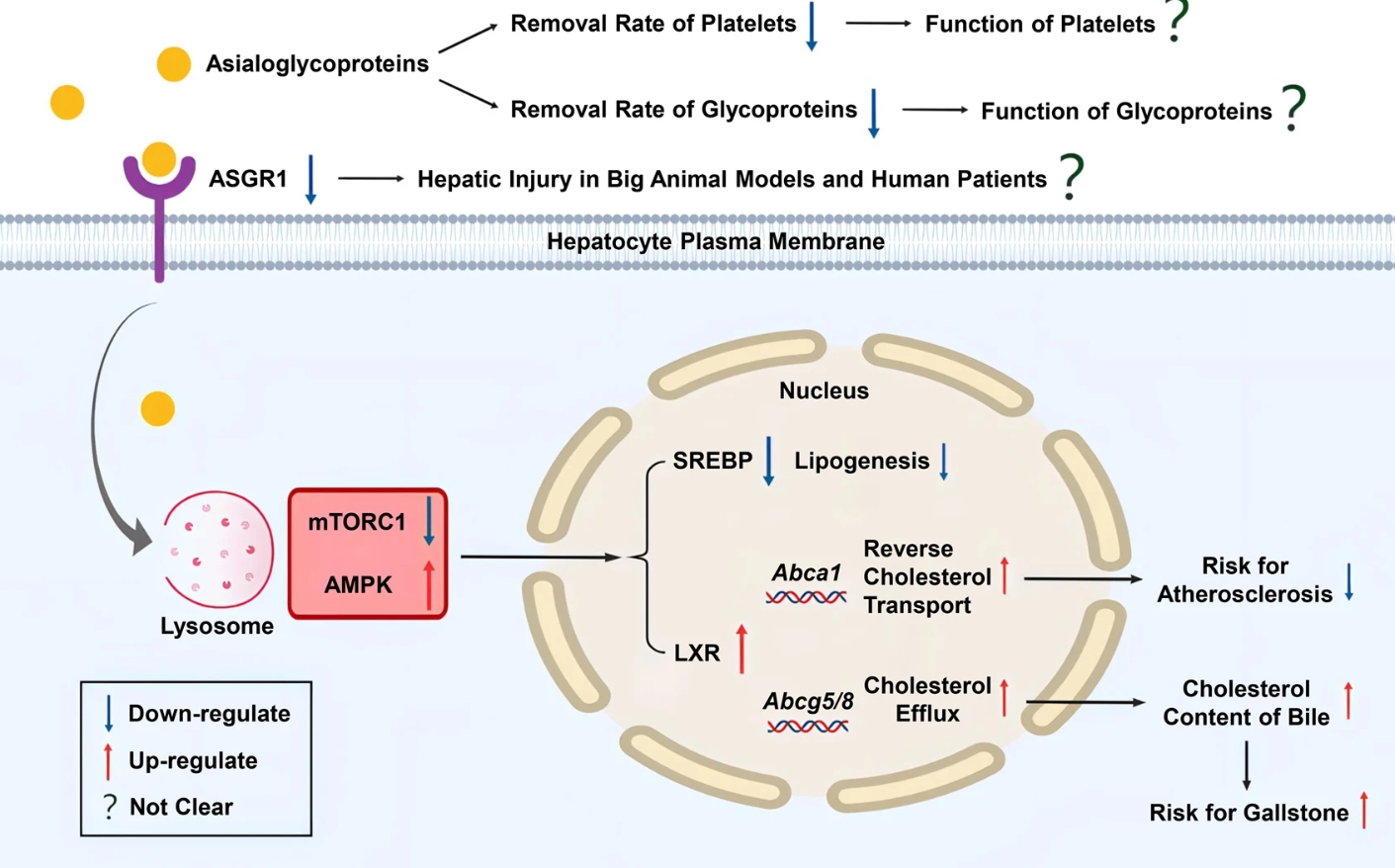
Mechanisms of Action and Signal Transduction
The functional activation of ASGR1 involves complex molecular mechanisms. Ligand binding triggers an intricate intracellular signaling network encompassing multiple processes: the cascade activation of various kinases, nuclear translocation of transcription factors, and subsequent regulation of downstream target gene expression. Notably, ASGR1 may form functional complexes with other membrane receptors or scaffold proteins, thereby expanding its regulatory network through protein-protein interactions to achieve precise modulation of cellular physiological states.
Association of ASGR1 with Liver Diseases
Recent studies have revealed significant correlations between ASGR1 expression abnormalities and the pathogenesis of various liver diseases. Under pathological conditions such as viral hepatitis, alcoholic liver disease, and cirrhosis, ASGR1 expression levels and functional activity frequently undergo substantial alterations. These changes may lead to glycoprotein metabolic disorders, creating a vicious cycle that exacerbates hepatic damage. Therefore, in-depth investigation of ASGR1 dynamics in liver diseases not only facilitates elucidation of disease mechanisms but may also provide novel molecular markers for clinical diagnosis.
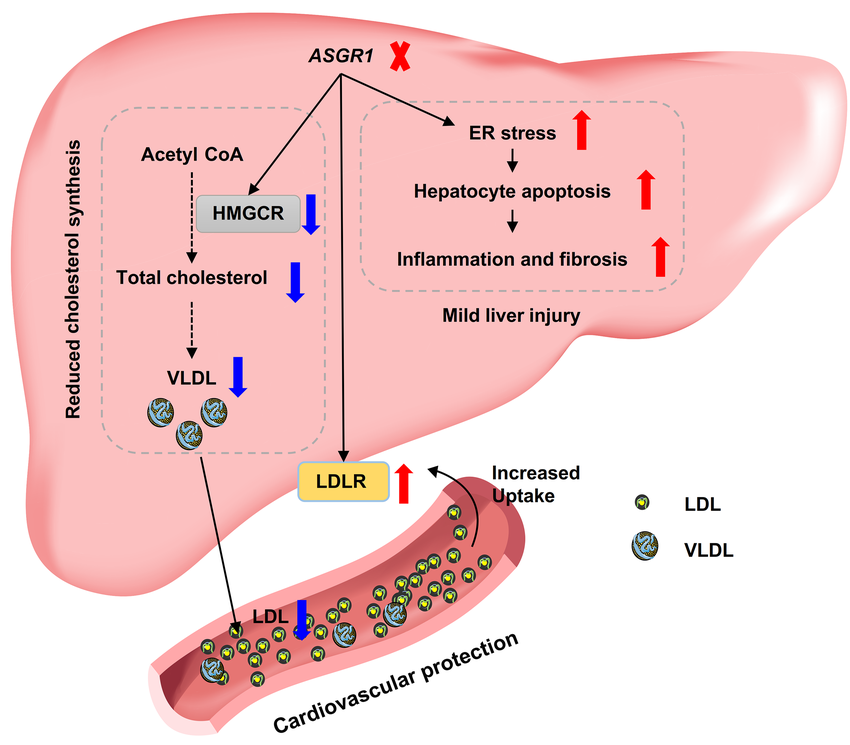
Therapeutic Potential of ASGR1 as a Drug Target
Given its central role in metabolic regulation, ASGR1 has emerged as a promising target for drug development. The design of small-molecule compounds or biologics specifically modulating ASGR1 activity holds potential for precise intervention in glycoprotein metabolism. Such targeted therapeutic strategies may establish new paradigms for treating metabolic disorders, particularly liver diseases. Concurrently, the development of ASGR1-focused drug screening platforms will provide crucial technical support for pharmaceutical innovation.
Conclusions and Future Perspectives
As a liver-specific molecule, ASGR1 plays a pivotal role in maintaining systemic metabolic homeostasis. With deepening understanding of its molecular mechanisms, ASGR1 research possesses not only significant theoretical value but also broad clinical application prospects. Future studies should prioritize exploration of detailed mechanisms within ASGR1 regulatory networks and development of targeted intervention approaches, thereby providing novel strategies for the diagnosis and treatment of related diseases.
This article is reviewed and published by the technical expert team of UA
Disclaimer: This article partially utilizes artificial intelligence assistance in its creation. If any content involves copyright or intellectual property issues, please let us know and we promise to verify and remove it as soon as possible.
Purchase recombinant protein, choose Nanjing UA-Bio
UA protein focuses on providing various protein reagents, raw materials, and services required for drug research and development, cell therapy, gene therapy, and basic scientific research, including drug target proteins, immune checkpoint proteins, cytokines, tool enzymes, customized protein expression, and full-length transmembrane protein development. Youai is committed to providing customers with high-quality products and professional services, and building a High-tech Biological Enterprise with International Competitiveness.







 Business license (three certificates in one)