




α-Synuclein: Unraveling the Key Player in Parkinson’s Disease


α-Synuclein (α-syn) is a soluble protein predominantly expressed in presynaptic terminals and perinuclear regions of the central nervous system, with a molecular weight of approximately 14–19 kDa. It plays a critical role in synaptic function and has been closely implicated in the pathogenesis and functional impairments of various neurodegenerative disorders, particularly Parkinson’s disease (PD).
- Recent Advances
- Product Information
- Reference
Introduction
α-Synuclein (α-syn) is a soluble protein predominantly expressed in presynaptic terminals and perinuclear regions of the central nervous system (CNS), with a molecular weight of approximately 14–19 kDa. It plays a pivotal role in synaptic activity and is closely implicated in the pathogenesis and functional impairments of neurodegenerative disorders, particularly Parkinson’s disease (PD).
PD ranks as the second most common neurodegenerative disorder globally, primarily affecting motor function and manifesting as tremors, rigidity, and bradykinesia. While current pharmacological treatments alleviate some symptoms, they fail to halt disease progression. As a key pathological hallmark of PD, in-depth research into α-syn’s role not only offers potential therapeutic targets but also opens new avenues for early diagnosis.
I. Biological Characteristics and Functions of α-Syn
(1) Fundamental Properties
α-Syn is a small protein composed of 140 amino acids, predominantly expressed in CNS neurons, with high concentrations at presynaptic terminals. Encoded by the SNCA gene on human chromosome 4, it physiologically regulates synaptic plasticity, neurotransmitter release and trafficking, and may critically modulate mitochondrial function and calcium homeostasis.
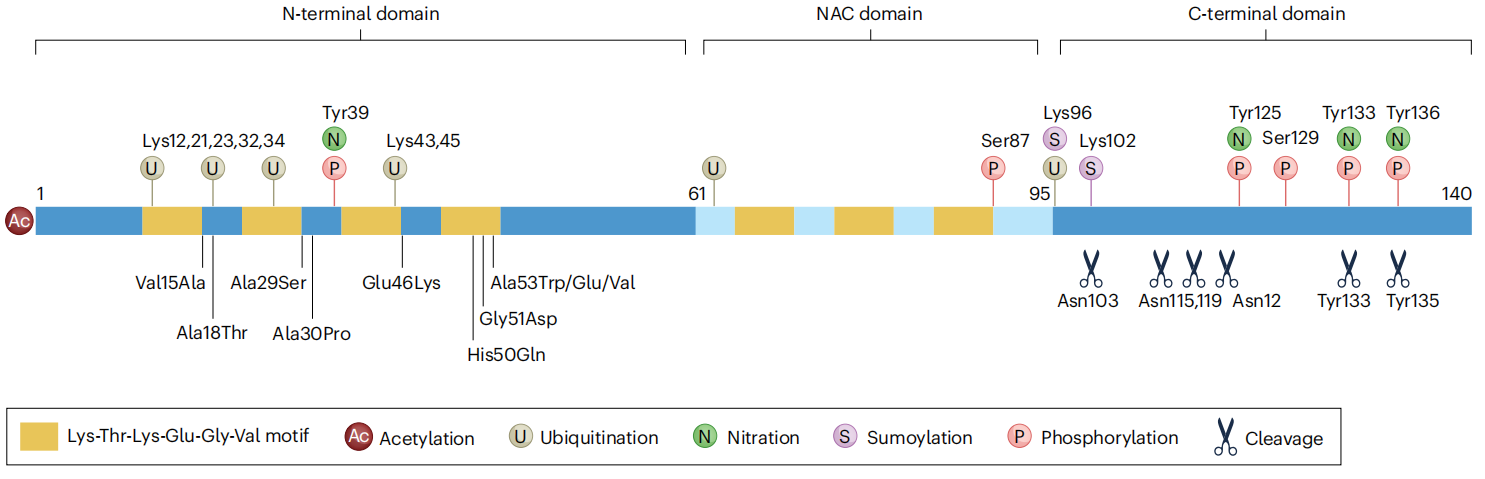
Illustration: A schematic depicting the primary structure of α-syn, highlighting disease-associated modifications such as point mutations, post-translational modifications, and truncations linked to its pathological aggregation.
(2) Physiological Functions
Synaptic Regulation: Monomeric α-syn participates in synaptic vesicle exocytosis, modulating vesicle trafficking and neurotransmitter release. By interacting with the dopamine transporter (DAT1), it regulates dopaminergic neurotransmission, maintaining neuronal homeostasis.
Molecular Chaperone Activity: In its membrane-bound multimeric state, α-syn collaborates with cysteine-string protein-α (DNAJC5) to facilitate SNARE (soluble NSF attachment protein receptor) complex folding, ensuring synaptic stability.
Neuroprotective Role: α-Syn attenuates neuronal apoptosis by reducing caspase-3 activation in response to apoptotic stimuli.
II. Role of α-Syn in Neurodegenerative Diseases
(1) Parkinson’s Disease
α-Syn is the primary structural component of Lewy bodies (LBs) and Lewy neurites (LNs), the pathological hallmarks of PD. Mutations in SNCA are associated with familial PD. Misfolded α-syn forms insoluble fibrillar aggregates, with intermediate oligomeric species exhibiting high toxicity. These oligomers disrupt membrane integrity, perturb calcium homeostasis, impair mitochondrial function, and exacerbate oxidative stress, culminating in dopaminergic neuron degeneration—the direct cause of PD motor symptoms.
(2) Other Neurodegenerative Disorders
α-Syn pathology extends to Alzheimer’s disease (AD), dementia with Lewy bodies (DLB), and multiple system atrophy (MSA). In DLB, α-syn oligomers and fibrils accumulate in neurons, spreading to the brainstem, cortex, and limbic system. MSA is characterized by α-syn-rich glial cytoplasmic inclusions in oligodendrocytes.
III. Therapeutic Strategies Targeting α-Syn
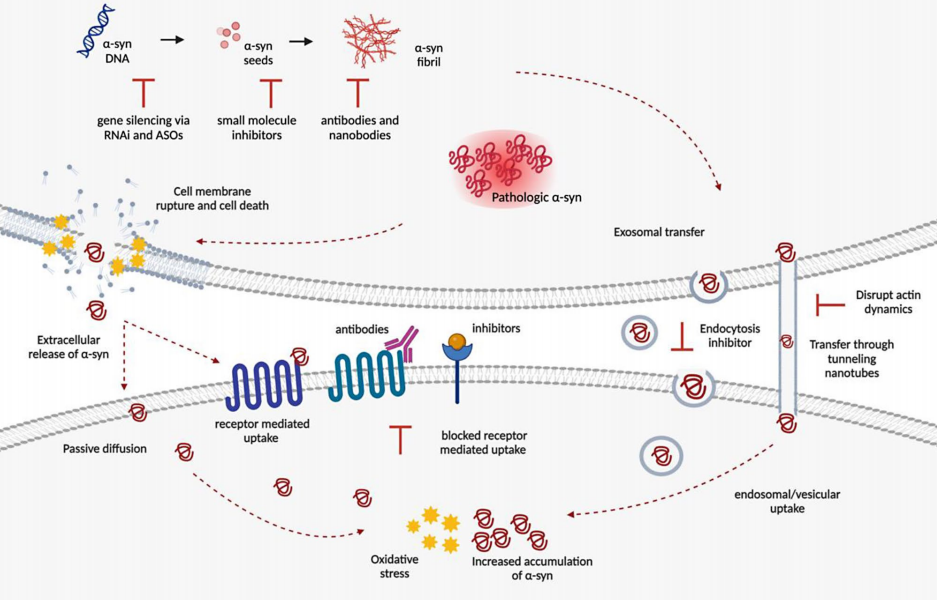
Gene Therapy: CRISPR/Cas9 or gene silencing to reduce α-syn expression.
Small-Molecule Inhibitors: Compounds to prevent α-syn aggregation and toxicity.
Immunotherapy: Humanized monoclonal antibodies (e.g., PRX002) in clinical trials to neutralize toxic α-syn species.
Enhanced Autophagy: Strategies to promote clearance of pathological aggregates via lysosomal pathways.
IV. α-Syn as a Diagnostic Biomarker
α-Syn aggregates are detectable in CSF, blood, saliva, and peripheral tissues (e.g., skin, gut). While CSF α-syn oligomers and phosphorylated forms show diagnostic promise, their invasive collection limits utility. Plasma/serum assays face variability, whereas exosomal α-syn offers a less invasive alternative with comparable sensitivity. Salivary α-syn remains inconsistent due to methodological disparities.
Molecular Imaging: PET/SPECT probes (e.g., [11C]-PIB, 18F-BF227) aim to visualize α-syn aggregates in vivo, though current probes require improved blood-brain barrier penetration and binding specificity.
V. Conclusion
α-Syn is central to neurodegenerative pathogenesis, particularly in PD. Elucidating its biology and pathological mechanisms informs novel therapeutic and diagnostic approaches. Interdisciplinary innovation holds promise for advancing disease-modifying treatments.
Related Products
α-Synuclein His-Tag Protein, Human
Catalog Noumber: UA011215
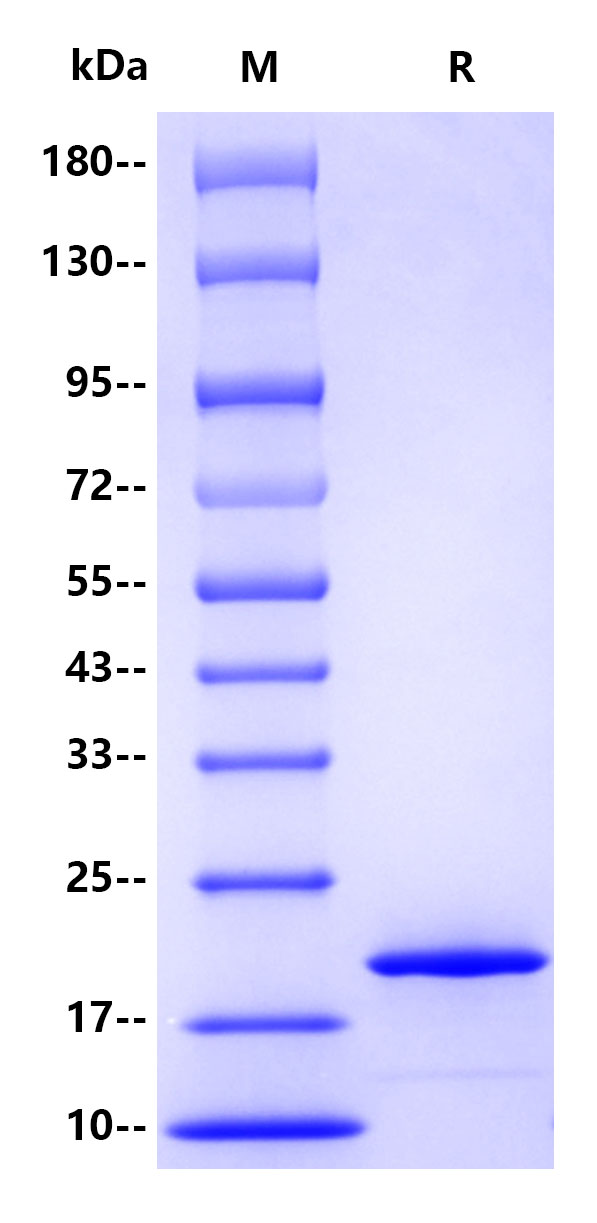
>95% by SDS-PAGE
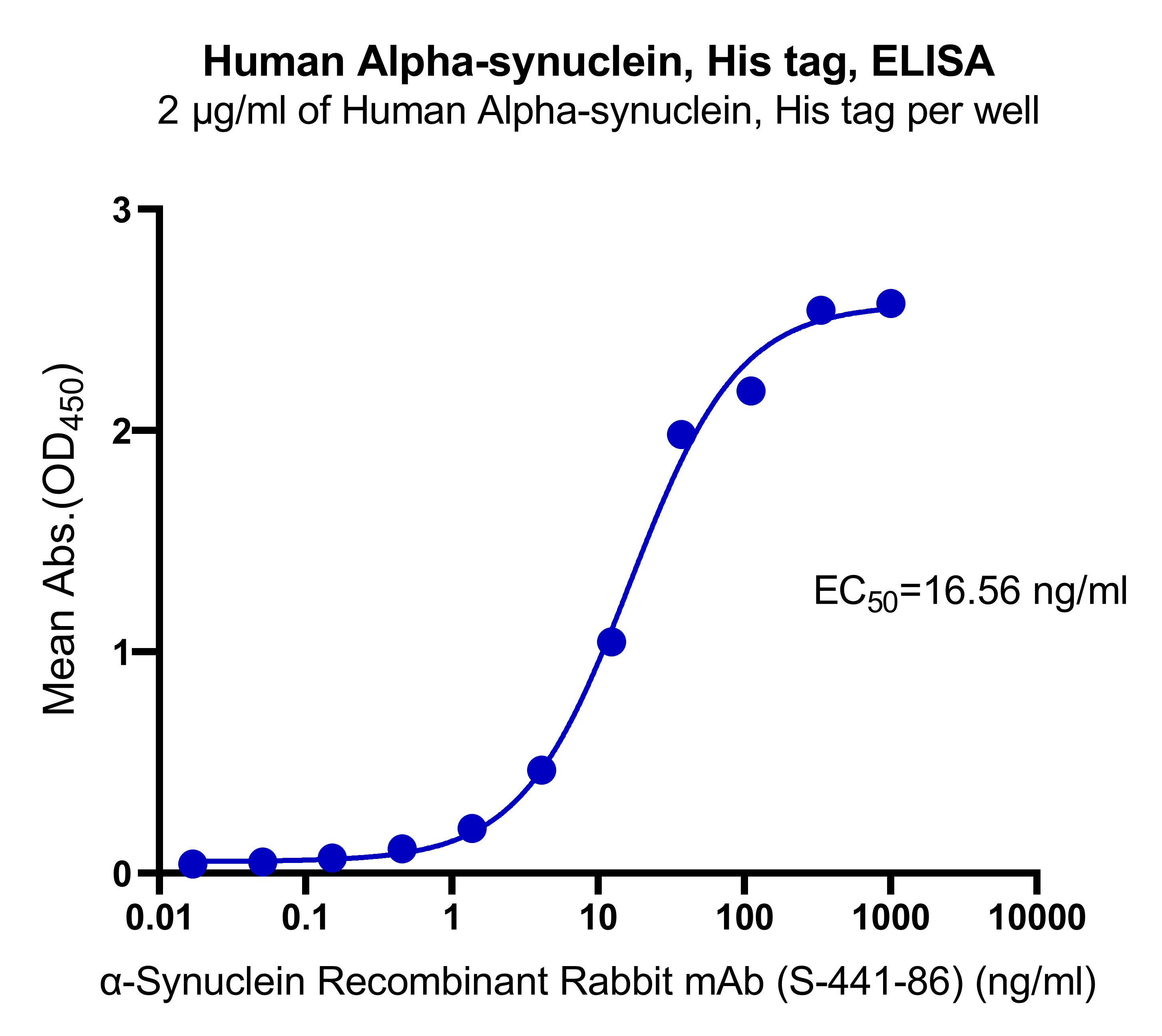
Immobilized α-synuclein His tag Protein, Human at 2 μg/mL (50 μL/well) can bind α-Synuclein Recombinant Rabbit mAb (S-441-86) (S0B0344) with EC50 of 13.11-21.33 ng/ml.
Click on the product catalog numbers below to access detailed information on our official website.
This article is reviewed and published by the technical expert team of UA
Disclaimer: This article partially utilizes artificial intelligence assistance in its creation. If any content involves copyright or intellectual property issues, please let us know and we promise to verify and remove it as soon as possible.
Purchase recombinant protein, choose Nanjing UA-Bio
UA protein focuses on providing various protein reagents, raw materials, and services required for drug research and development, cell therapy, gene therapy, and basic scientific research, including drug target proteins, immune checkpoint proteins, cytokines, tool enzymes, customized protein expression, and full-length transmembrane protein development. Youai is committed to providing customers with high-quality products and professional services, and building a High-tech Biological Enterprise with International Competitiveness.

Mark Cookson.α-Synuclein and neuronal cell death.Molecular Neurodegeneration,(2009).
Hye-Jin Park; Tae‐In Kam; Valina L. Dawson; Ted M. Dawson.α-Synuclein pathology as a target in neurodegenerative diseases.Nature Reviews Neurology,(2024).
Grace m. Kuo; Ramhari Kumbhar; W. Frank Blair; Valina L. Dawson; Valina L. Dawson; et al. Emerging targets of α-synuclein spreading in α-synucleinopathies: a review of mechanistic pathways and interventions.Molecular Neurodegeneration,(2025).






 Business license (three certificates in one)