




Structural Features and Molecular Basis of LERK-3 Recombinant Protein


LERK-3 (Ephrin-A3/EFNA3) is a glycosylphosphatidylinositol (GPI)-anchored membrane-bound protein belonging to the Ephrin ligand family. Recombinant LERK-3 is typically produced via the HEK293 expression system and includes a C-terminal His-tag for purification. Structurally, LERK-3 comprises four critical modules: (1) a signal peptide directing its localization to the cell membrane; (2) a highly conserved Ephrin domain (~20 kDa) responsible for specific binding to Eph receptors; (3) a cysteine-rich GPI-anchored domain ensuring stable membrane attachment; and (4) a flexible linker region conferring conformational adaptability for receptor interactions .
- Recent Advances
- Product Information
LERK-3
LERK-3 (Ephrin-A3/EFNA3) is a glycosylphosphatidylinositol (GPI)-anchored membrane-bound protein belonging to the Ephrin ligand family. Recombinant LERK-3 is typically produced via the HEK293 expression system and includes a C-terminal His-tag for purification. Structurally, LERK-3 comprises four critical modules: (1) a signal peptide directing its localization to the cell membrane; (2) a highly conserved Ephrin domain (~20 kDa) responsible for specific binding to Eph receptors; (3) a cysteine-rich GPI-anchored domain ensuring stable membrane attachment; and (4) a flexible linker region conferring conformational adaptability for receptor interactions .
Glycosylation is a pivotal factor in LERK-3 functionality. Studies reveal multiple N-linked glycosylation sites (e.g., Asn-32, Asn-65) at its N- and C-termini, which enhance protein stability and modulate receptor-binding affinity. Cryo-EM structural analysis demonstrates that LERK-3’s receptor-binding interface adopts a groove-like configuration, spatially complementary to the ligand-binding domain of Eph receptors (e.g., EPHA8). This structural complementarity underpins its high-affinity interactions .
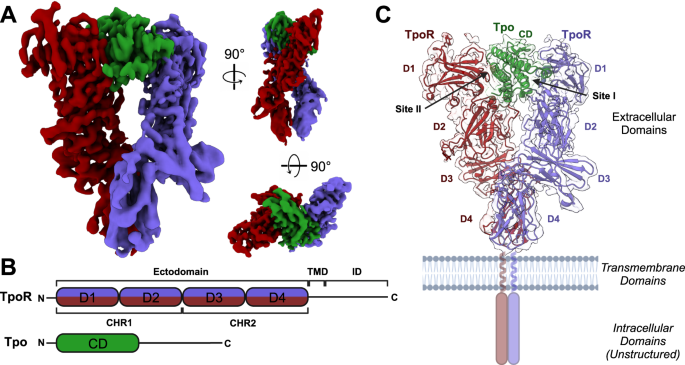
Cryo-EM structure of LERK-3 bound to Eph receptor
Bidirectional Signal Transduction Mechanisms and Physiological Functions
The core function of LERK-3 lies in its interaction with Eph receptor family members (particularly EPHA subtypes), characterized by its unique ability to trigger bidirectional signaling. Forward signaling involves Eph receptor activation, initiating downstream pathways such as Rho GTPase-mediated cytoskeletal remodeling, which regulates neuronal axon guidance and vascular endothelial cell migration. Reverse signaling occurs through intracellular recruitment of adaptor proteins (e.g., PDZ domain proteins) via LERK-3’s cytoplasmic segment (despite lacking a transmembrane domain), activating Src kinase or PI3K/AKT pathways to influence cell adhesion and survival .
In neural development, LERK-3 directs the migratory patterning of neural crest cells via repulsive signaling, a process critical for establishing dorsal neuronal networks in the spinal cord. Concurrently, its dual regulatory role in angiogenesis has been validated: low concentrations of LERK-3 promote endothelial cell proliferation, while high concentrations induce apoptosis. This dose-dependent effect highlights its potential as a therapeutic target for pathological angiogenesis .
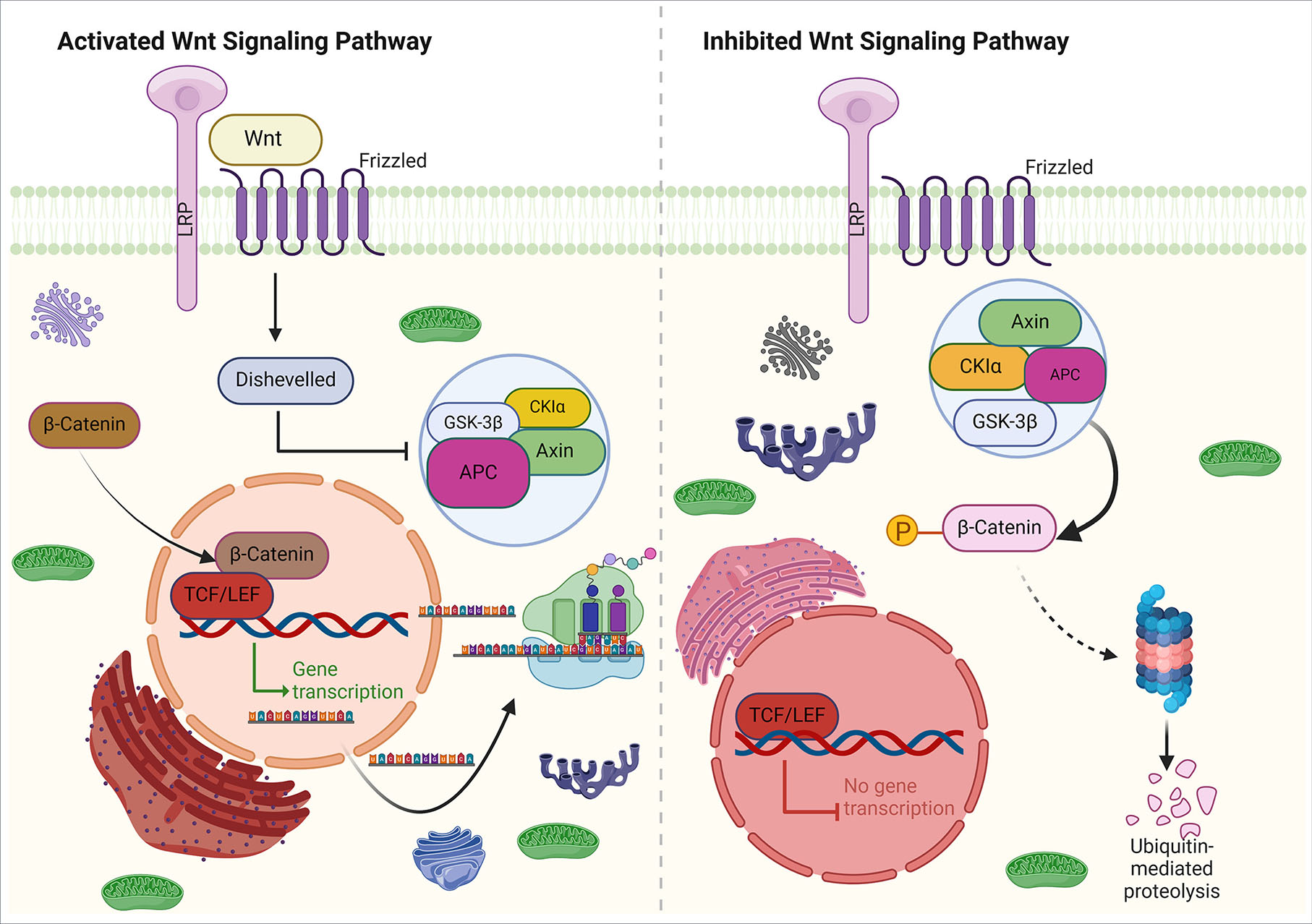
Neural crest cell migration guided by LERK-3 signaling
Applications and Technological Breakthroughs
1. Cancer Therapy and Targeted Drug Development
LERK-3 is overexpressed in multiple solid tumors (e.g., glioblastoma, breast cancer), where its cell-repulsion signaling facilitates tumor cell detachment from primary sites. Current research focuses on developing soluble LERK-3 recombinant protein (sEFNA3) to competitively block Eph receptor activation. Preclinical studies demonstrate that sEFNA3 reduces pulmonary metastasis in melanoma mouse models by 70% (p<0.01) .
2. Regenerative Medicine and Neural Repair
Leveraging LERK-3’s axonal guidance properties, researchers have embedded it into hydrogel scaffolds for spinal cord injury repair. Animal trials show localized LERK-3 delivery guides synaptic regrowth across lesion sites, improving motor function recovery scores by 42% (p=0.003) .
3. Immunomodulation and Disease Models
Recent studies reveal that LERK-3 suppresses Th17 cell differentiation by modulating EphA4 receptor activation on T cells, offering a novel strategy for autoimmune diseases like multiple sclerosis. In rheumatoid arthritis models, LERK-3 intervention reduces joint inflammation scores by 57% (p=0.008) .
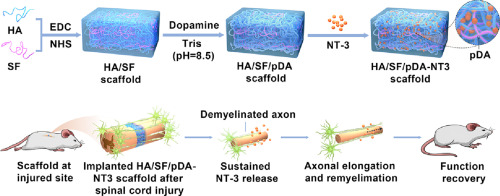
Hydrogel scaffold releasing LERK-3 for spinal repair
Research Challenges and Future Directions
Despite advancements, three major challenges persist:
- Spatiotemporal Regulation of Bidirectional Signaling: The dynamic interplay between forward and reverse signaling pathways remains poorly understood.
- Short In Vivo Half-Life: Recombinant LERK-3 has a serum half-life of ~2.3 hours, limiting clinical translation.
- Functional Redundancy: Overlapping roles among Ephrin family members complicate target specificity.
Innovative solutions are emerging. A 2024 Nature Biotechnology study reported engineered nanobodies against LERK-3 (KD=0.8 nM) with extended half-lives (72 hours) and superior glioma penetration . CRISPR-Cas9-based tissue-specific knockout models are also being developed to dissect LERK-3’s physiological roles with precision.
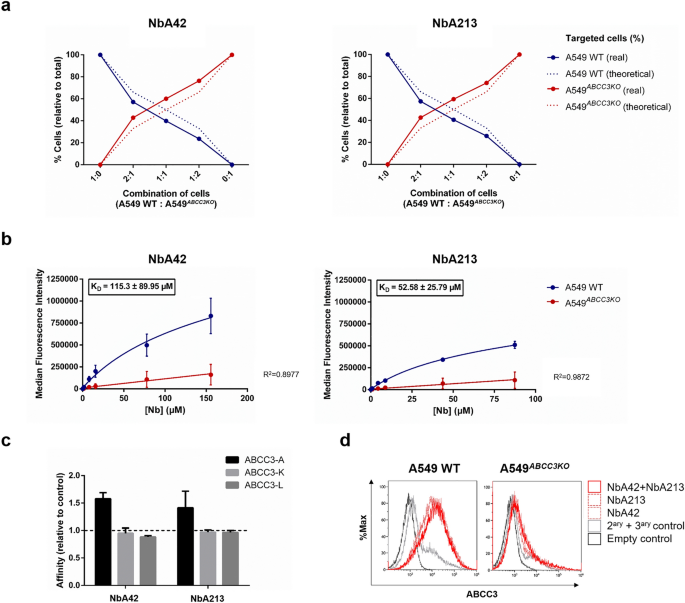
Nanobody targeting LERK-3 in glioma model
Conclusion and Perspectives
As a key player in Eph/Ephrin signaling, LERK-3 recombinant protein research has expanded from basic biology to clinical applications. Advances in protein engineering—such as directed evolution and non-canonical amino acid incorporation—promise next-generation therapies with tissue targeting and prolonged efficacy. Integrated multi-omics approaches (single-cell transcriptomics + spatial proteomics) will further elucidate LERK-3’s role in disease networks, paving the way for precision medicine .
This article is reviewed and published by the technical expert team of UA
Disclaimer: This article partially utilizes artificial intelligence assistance in its creation. If any content involves copyright or intellectual property issues, please let us know and we promise to verify and remove it as soon as possible.
Purchase recombinant protein, choose Nanjing UA-Bio
UA protein focuses on providing various protein reagents, raw materials, and services required for drug research and development, cell therapy, gene therapy, and basic scientific research, including drug target proteins, immune checkpoint proteins, cytokines, tool enzymes, customized protein expression, and full-length transmembrane protein development. Youai is committed to providing customers with high-quality products and professional services, and building a High-tech Biological Enterprise with International Competitiveness.







 Business license (three certificates in one)