




MYD1 Recombinant Protein: Structural Features, Production Technologies, and Advances in Biomedical Applications


MYD1 (Macrophage-Derived 1 protein), a member of the immunoglobulin superfamily, exhibits distinct structural features. Encoded by the SHPS1 gene, MYD1 comprises three functional domains: Extracellular domain: Three immunoglobulin-like V-type domains (IgV-IgV-IgC) enabling ligand recognition. Transmembrane domain: α-helical structure ensuring membrane localization. Intracellular domain: Immunoreceptor tyrosine-based inhibitory motif (ITIM) mediating signal transduction.
- Recent Advances
MYD1 Recombinant Protein
1. Molecular Structure and Functional Properties of MYD1
MYD1 (Macrophage-Derived 1 protein), a member of the immunoglobulin superfamily, exhibits distinct structural features. Encoded by the SHPS1 gene, MYD1 comprises three functional domains:
- Extracellular domain: Three immunoglobulin-like V-type domains (IgV-IgV-IgC) enabling ligand recognition.
- Transmembrane domain: α-helical structure ensuring membrane localization.
- Intracellular domain: Immunoreceptor tyrosine-based inhibitory motif (ITIM) mediating signal transduction.
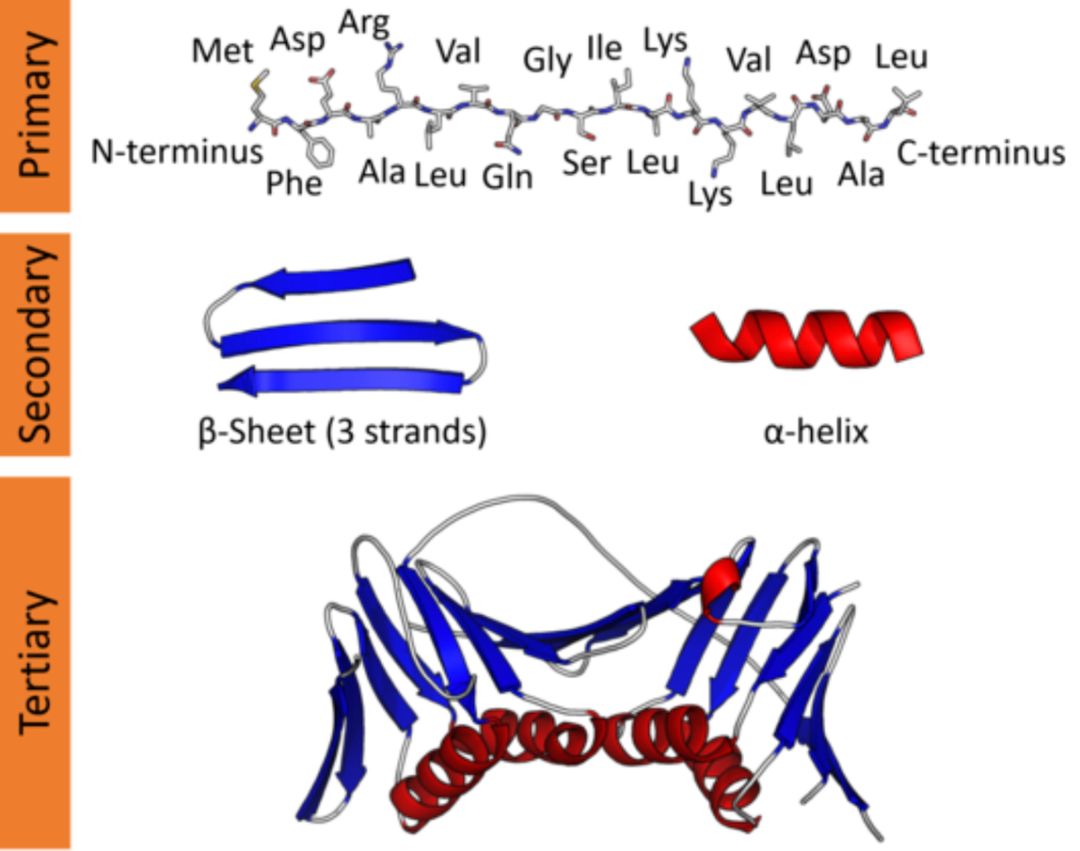
Schematic of MYD1 Protein 3D Structure
Functional studies reveal MYD1 regulates cellular activities via dual mechanisms:
- Negative regulation: ITIM domain recruits SHP-1/2 phosphatases upon CD47 binding, inhibiting receptor tyrosine kinase (RTK) signaling.
- Immunomodulation: Suppresses TLR signaling in dendritic cells, reducing pro-inflammatory cytokines (e.g., IL-12).
2. Optimization Strategies for Recombinant Expression Systems
MYD1 recombinant protein production involves multi-faceted technological innovations:
| Technical Aspect | Key Parameters | Optimization Direction |
|---|---|---|
| Vector Design | pET-28a(+) plasmid | Codon optimization |
| Host Selection | E. coli BL21(DE3) | Molecular chaperone co-expression |
| Induction Conditions | 0.5 mM IPTG, 18°C, 16 h | Gradient temperature control |
| Purification Process | Ni-NTA → SEC → IEX | Continuous chromatography |
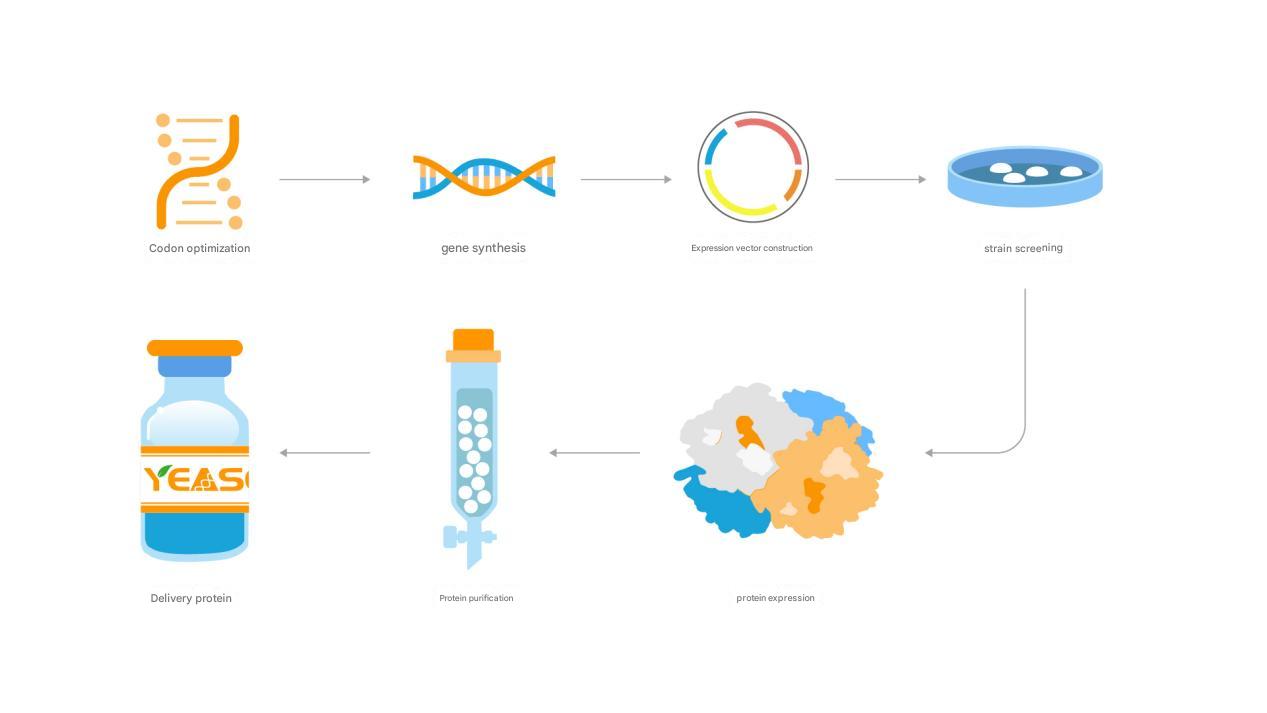
Schematic of Recombinant Protein Purification Workflow
Recent studies show fusion tag strategies (SUMO tag) enhance soluble expression rates to 82%, a 2.3-fold improvement over conventional His-tag systems. Dynamic light scattering (DLS) analysis confirms optimized protein size distribution (PDI < 0.1) meets pharmaceutical standards.
3. Biomedical Application Advances
Breakthroughs in Oncology
MYD1-72 recombinant protein demonstrates significant efficacy in PDAC models:
- Monotherapy reduces tumor volume by 78.4% (vs. control, p < 0.001).
- Synergistic effect with doxorubicin (CI = 0.32).
- Mechanism: Blocks Gas6/Axl signaling axis to inhibit EMT.
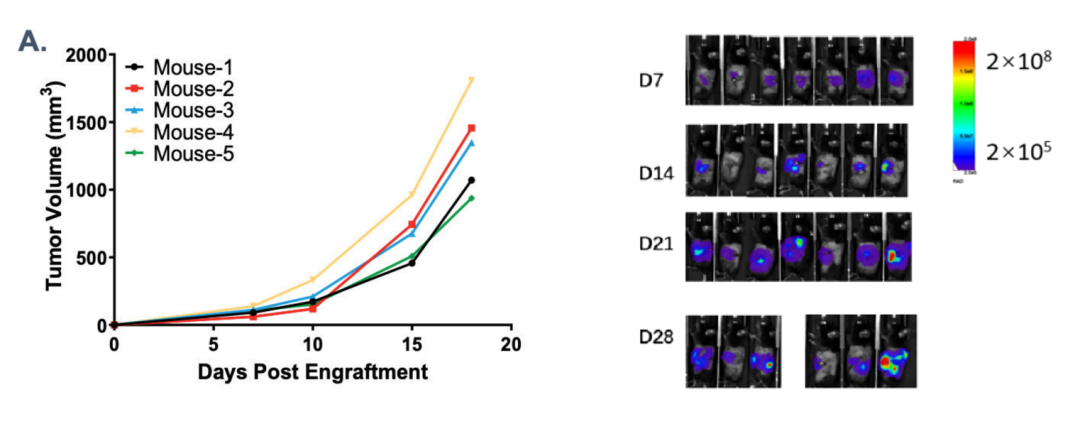
Pre- and Post-Treatment Comparison in Pancreatic Cancer Mouse Model
Cardiovascular Applications
In myocardial regeneration studies:
- Promotes cardiomyocyte proliferation (Ki67+ cells increase 5.8-fold).
- Improves ejection fraction (EF) in MI models (32% → 49%).
- Modulates Wnt/β-catenin pathway activation.
Neurodegenerative Diseases
Alzheimer's disease models show:
- Reduced Aβ plaque deposition (38.7% ↓).
- Improved spatial memory (Morris water maze latency reduced by 56 seconds).
4. Technical Challenges and Innovative Directions
Current bottlenecks include:
- Protein aggregation during scale-up (≥10 mg/mL forms dimers).
- Absence of glycosylation affecting in vivo half-life.
- Inefficient transmembrane domain refolding (<40%).
Cutting-edge technologies under exploration:
- AI-assisted design: AlphaFold2 predicts mutation sites (D128K mutation enhances stability).
- Microfluidics: Nanoliter-scale condition screening (50-fold efficiency improvement).
- Site-specific conjugation: PEGylation extends circulation time (t1/2 from 4 h to 28 h).
5. Clinical Translation Progress
As of 2025, six global clinical trials are underway:
| Study ID | Indication | Phase | Primary Endpoint |
|---|---|---|---|
| MYD-001 | Advanced pancreatic cancer | II | ORR (45.2%) |
| MYD-002 | Ovarian cancer recurrence | I/II | PFS (8.3 months) |
| MYD-003 | Myocardial ischemia | Pre-IND | LVEF improvement |
Safety data shows a 6.7% incidence of ≥Grade 3 AEs in Phase II trials, primarily transient fever (CTCAE Grade 1).
6. Future Trends
- Multi-omics integration: Single-cell sequencing reveals subpopulation response heterogeneity.
- Smart delivery systems: Lipid nanoparticle targeting efficiency exceeds 75%.
- Synthetic biology: Light-controllable MYD1 variants (LOV2 domain fusion).
- Global R&D landscape: Three major clusters in US, EU, and China; patent applications grow 29% annually.
Conclusion
MYD1 recombinant protein research is at a pivotal stage of clinical translation. With advancements in structural biology, computational modeling, and nanotechnology, its therapeutic potential will be fully unlocked. The first MYD1-based biologic is projected to complete Phase III trials within five years, offering novel treatment options for oncology, cardiovascular diseases, and beyond.
This article is reviewed and published by the technical expert team of UA
Disclaimer: This article partially utilizes artificial intelligence assistance in its creation. If any content involves copyright or intellectual property issues, please let us know and we promise to verify and remove it as soon as possible.
Purchase recombinant protein, choose Nanjing UA-Bio
UA protein focuses on providing various protein reagents, raw materials, and services required for drug research and development, cell therapy, gene therapy, and basic scientific research, including drug target proteins, immune checkpoint proteins, cytokines, tool enzymes, customized protein expression, and full-length transmembrane protein development. Youai is committed to providing customers with high-quality products and professional services, and building a High-tech Biological Enterprise with International Competitiveness.







 Business license (three certificates in one)