




EphA2 protein: a new target for cancer treatment


The important role of EphA2 in tumor biology makes it a promising therapeutic target, and ongoing efforts to target EphA2 in the clinic may provide a valuable new weapon in the fight against cancer. Future efforts include continued in-depth understanding of EphA2-Ephrin A1 signaling and precise elucidation of crosstalk with other oncogenic pathways. Completed clinical studies and new biological findings provide clues for the development of the next generation of EphA2-targeted therapies: (I) the focus should be on improving efficacy and selectivity while preventing off-target side effects; and (II) combination with other therapies may be helpful.
- Recent Advances
- Product Information
EphA2 protein: a new target for cancer treatment
In the field of cancer research, EphA2 protein has attracted much attention due to its key role in a variety of malignant tumors. EphA2 belongs to the Eph receptor family and is an important class of receptor tyrosine kinases (RTKs) that play an important role in cell signaling, tissue development, and tumorigenesis. This article will introduce in detail the function of EphA2 protein, its relationship with cancer, and its potential as a therapeutic target.
Function of EphA2 protein
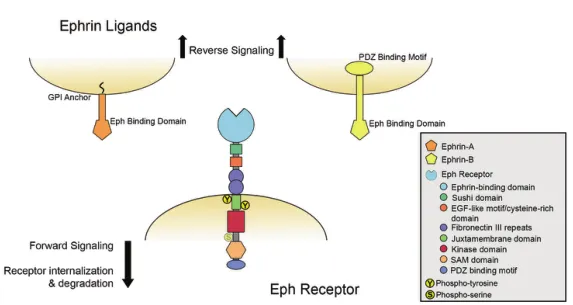
EphA2 is a transmembrane glycoprotein containing 976 amino acids and a molecular weight of approximately 130 kDa. It is able to interact with any of the eight ligands of the Ephrin A family, preferentially binding to Ephrin A1. The interaction between EphA2 and Ephrin A1 triggers a unique bidirectional signaling mechanism: a "forward signal" is generated in cells expressing the EphA2 receptor, and a "reverse signal" is generated in cells expressing the Ephrin A1 ligand.
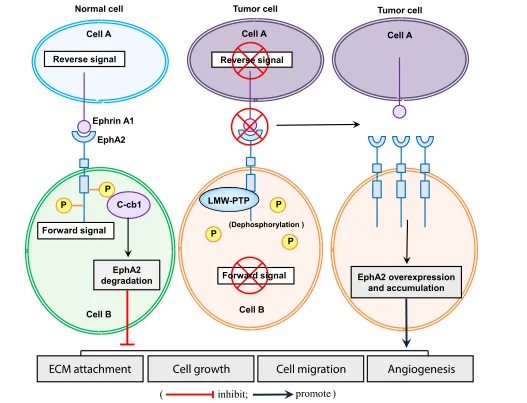
- Forward signal: usually leads to cell rejection, promotes EphA2 oligomerization and phosphorylation, enhances its kinase activity, and reduces cell attachment to the extracellular matrix (ECM).
- Reverse signal: usually associated with cell adhesion. Since Ephrin A1 lacks enzymatic activity, reverse signal is considered to be independent of kinase, and its specific mechanism is not fully understood.
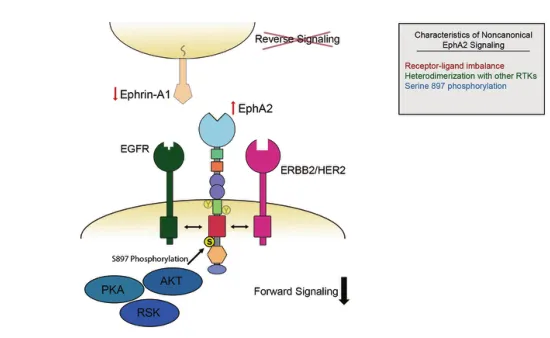
In addition, EphA2 also exhibits ligand-independent kinase activity in cancer cells, and can dimerize with proteins such as E-cadherin, EGFR, HER2, and integrin, changing downstream signaling pathways, thereby promoting tumor occurrence and development in a non-phosphorylated state.
Relationship between EphA2 and cancer
EphA2 shows high levels of expression in a variety of malignant tumors, including prostate cancer, lung cancer, esophageal cancer, colorectal cancer, cervical cancer, ovarian cancer, breast cancer, and skin cancer. Abnormal expression of EphA2 is closely associated with poor prognosis, increased metastatic potential, and shortened survival in tumor patients. Studies have shown that EphA2 is not only a biomarker for cancer, but also actively participates in the malignant progression of tumors.
The mechanism of action of EphA2 in tumors includes:
1. Promoting tumor cell proliferation and survival: By activating downstream signaling pathways, EphA2 can promote tumor cell proliferation and survival.
2. Enhancing tumor cell migration and invasion: The activation of EphA2 can change the dynamics of the cytoskeleton and enhance the migration and invasion ability of tumor cells.
3. Regulating the tumor microenvironment: EphA2 regulates cell-to-cell repulsion and adhesion in the tumor microenvironment through interaction with Ephrin A1, thereby affecting tumor growth and metastasis.
EphA2 as a target for cancer therapy
Given the important role of EphA2 in tumor occurrence and development, it has become an attractive target for cancer therapy. The EphA2/Ephrin A1 system can be used as a target for cancer therapy through the following two mechanisms:
1. Inhibiting the oncogenic function of EphA2: Inhibiting the oncogenic function of EphA2 by reducing the expression of EphA2, promoting its degradation, or blocking its activation.
2. Utilizing EphA2 targeted drug delivery: Targeted delivery of therapeutic drugs (such as cytotoxic drugs or immune cells) to cancer cells expressing EphA2.
Currently, therapeutic strategies targeting EphA2 include:
- Antibody-drug conjugates (ADCs) and peptide-drug conjugates (PDCs): Targeted delivery of drugs to EphA2-positive cancer cells through specific antibodies or peptides.
- Tyrosine kinase inhibitors (TKIs): Such as dasatinib, which can inhibit the kinase activity of EphA2.
- CAR-T cell therapy: Designing CAR-T cells that can recognize EphA2 antigens for targeted killing of tumor cells.
- Nanocarriers: Used to deliver siRNA targeting EphA2 to tumor cells to inhibit the expression of EphA2.
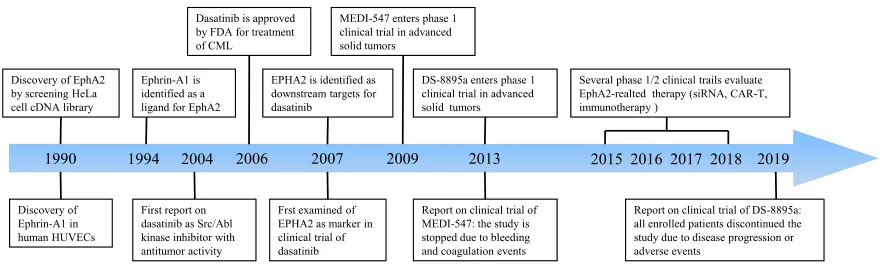
In addition, potential future therapeutic strategies may also include EphA2 agonists, such as soluble EphA2 agonists (A1-Fc), or other small molecule inhibitors to block the non-canonical signaling of EphA2.
Challenges and Prospects
Although EphA2 has great potential as a target for cancer therapy, it still faces some challenges:
1. Nonspecific toxicity: EphA2 is also expressed in a variety of normal tissues, which may lead to nonspecific toxicity.
2. Signal complexity: The multiple signaling patterns of EphA2 make targeting strategies complicated, and appropriate treatments need to be selected according to different tumor types and environments.
3. Non-kinase-dependent oncogenic effects: The non-kinase-dependent function of EphA2 may make it insensitive to traditional TKI drugs.
Future research directions may include:
- Improving the specificity and selectivity of treatment: Developing drugs that can specifically target EphA2 and reduce toxicity to normal cells.
- Combination therapy strategy: Combining EphA2-targeted therapy with other therapies (such as chemotherapy, radiotherapy, or immunotherapy) to improve the therapeutic effect.
- In-depth study of the signaling pathway of EphA2: Further clarify the interaction between EphA2 and downstream signaling pathways and develop more effective treatment strategies.
In summary, the important role of EphA2 in tumor biology makes it a promising therapeutic target. With the in-depth study of EphA2 function and signaling pathway, and the continuous development of new treatment strategies, EphA2 targeted therapy is expected to bring new hope to cancer patients.
This article is reviewed and published by the technical expert team of UA
Disclaimer: This article partially utilizes artificial intelligence assistance in its creation. If any content involves copyright or intellectual property issues, please let us know and we promise to verify and remove it as soon as possible.
Purchase recombinant protein, choose Nanjing UA-Bio
UA protein focuses on providing various protein reagents, raw materials, and services required for drug research and development, cell therapy, gene therapy, and basic scientific research, including drug target proteins, immune checkpoint proteins, cytokines, tool enzymes, customized protein expression, and full-length transmembrane protein development. Youai is committed to providing customers with high-quality products and professional services, and building a High-tech Biological Enterprise with International Competitiveness.







 Business license (three certificates in one)