




EphA2 protein: new hope and cutting-edge strategy for cancer treatment


EphA2 is a tyrosine kinase receptor, so using tyrosine kinase inhibitors (TKIs) to inhibit the kinase activity of EphA2 is a potential therapeutic strategy. The multiple signaling pathways and non-kinase-dependent functions of EphA2 make targeted therapy complicated, and appropriate treatment methods need to be selected according to different tumor types and environments.
- Recent Advances
- Product Information
EphA2 protein: new hope and cutting-edge strategy for cancer treatment
At the forefront of cancer treatment, scientists are constantly looking for new targets to overcome this global health problem. In recent years, EphA2 protein has attracted much attention due to its key role in various cancers. EphA2 protein not only plays an important role in tumor invasion, metastasis and poor prognosis, but also becomes an important target for cancer treatment due to its unique biological characteristics. This article will explore in depth the targeted treatment strategies of EphA2 protein and how these strategies bring new hope to cancer patients.
What is EphA2 protein?
EphA2 protein is a receptor tyrosine kinase (RTK) belonging to the Eph receptor family. It is a transmembrane glycoprotein that is widely present in many cell types, especially overexpressed in tumor cells. EphA2 protein activates downstream signaling pathways by binding to Ephrin A family ligands, regulating cell proliferation, migration and invasion. Studies have shown that EphA2 protein is overexpressed in many cancers, including prostate cancer, lung cancer, esophageal cancer, colorectal cancer, cervical cancer, ovarian cancer, breast cancer and skin cancer. Its high expression is closely associated with poor prognosis, increased metastatic potential and shortened survival in cancer patients.
Targeted therapeutic strategies for EphA2 protein
Targeting EphA2 through protein degradation
Using E3 ubiquitin ligase
E3 ubiquitin ligase c-Cbl can mediate the ubiquitination and proteasomal degradation of EphA2, thereby inhibiting the function of EphA2. Studies have found that by using a peptide called A11, Annexin A1 can be prevented from binding to EphA2, thereby promoting the interaction between c-Cbl and EphA2, increasing the ubiquitination and degradation of EphA2, and inhibiting the growth, migration and invasion of tumor cells.
Using PROTAC technology
PROTACs (protein degradation targeting chimeras) are a class of small molecule compounds that can induce protein degradation, which recruit E3 ubiquitin ligases to mark target proteins and promote their degradation. Studies have shown that EphA2 may be sensitive to PROTACs, and this approach is expected to overcome the limitations of traditional targeted therapies, such as targeting proteins lacking kinase domains or specific protein subtypes.
Bicyclic peptide-based therapeutic strategies
Bicyclic peptides are a class of small engineered proteins with a bicyclic structure that have high stability, specificity, and strong targeted binding ability. For example, BT5528 is a bicyclic peptide toxin conjugate (BTC) targeting EphA2 that can specifically bind to the ligand binding site of EphA2 and connect the toxin through a cleavable linker. Compared with traditional antibody-drug conjugates (ADCs), BTC has better tumor penetration and lower normal tissue toxicity.

Nanoparticle-based EphA2 targeted therapy
Nanoparticles can improve the targeting, stability, and loading capacity of drugs and reduce toxicity to normal tissues. For example, researchers have developed siRNA-loaded liposome nanoparticles for specific silencing of the EphA2 gene. In glioma cells, silencing EphA2 by siRNA can reduce tumor cell proliferation and induce apoptosis. In addition, cationic solid lipid nanoparticles (cSLNs) have also been designed to carry siRNA targeting EphA2 to improve the stability and cellular uptake efficiency of siRNA.
Immunotherapy strategies
CAR-T cell therapy
CAR-T cell therapy is a revolutionary immunotherapy method that transforms T cells to express chimeric antigen receptors (CARs) that specifically recognize EphA2, enabling T cells to specifically target and kill tumor cells expressing EphA2.
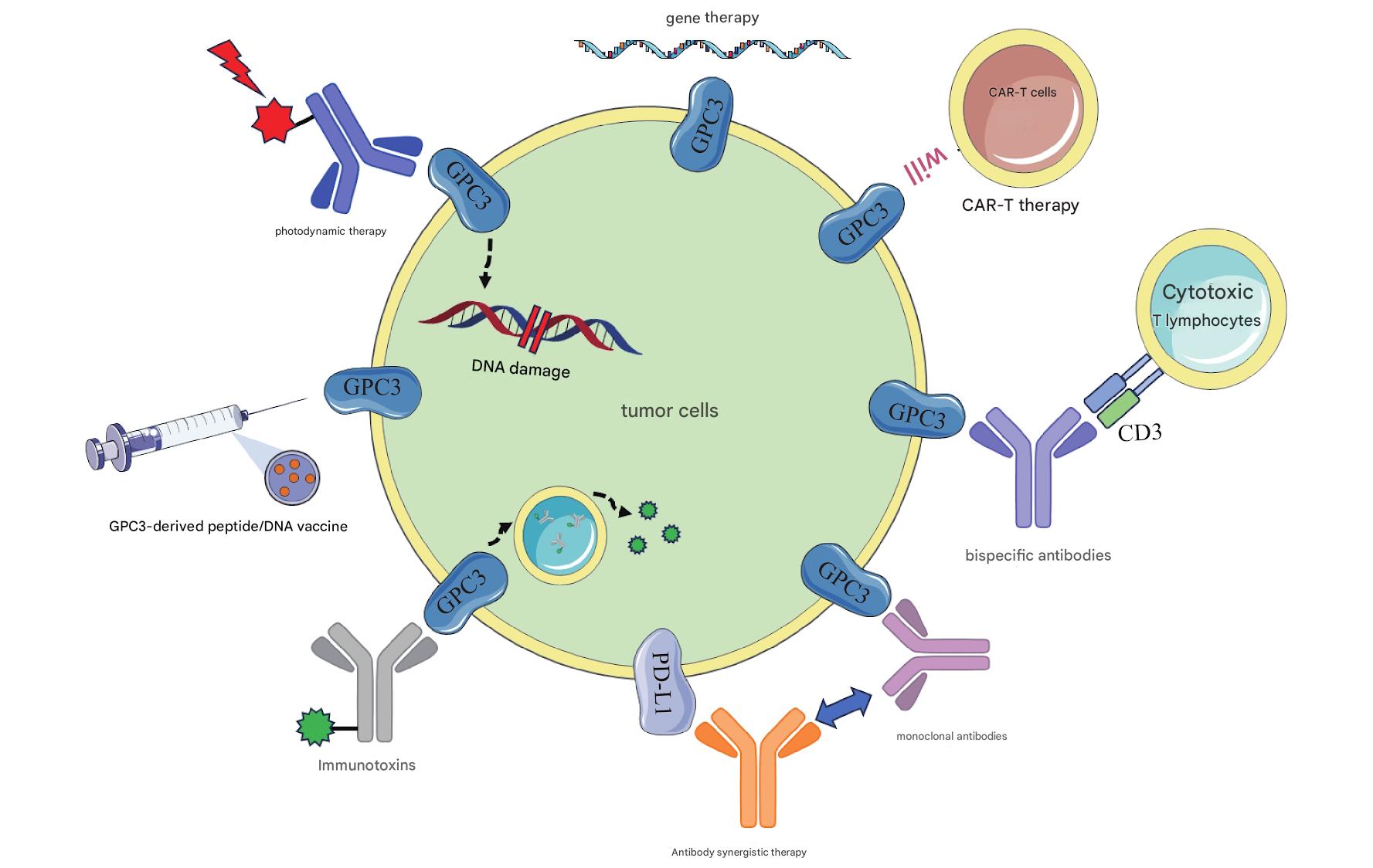
Peptide-based vaccines
Therapeutic vaccines are developed using peptides in the EphA2 protein sequence to stimulate the immune system to produce an immune response to tumor cells expressing EphA2.
RNA interference technology
RNA interference (RNAi) is a technology that silences gene expression by specifically degrading mRNA. Studies have shown that in a variety of cancer cells, silencing the EphA2 gene through RNAi technology can inhibit tumor cell proliferation, migration, and invasion. For example, in pancreatic adenocarcinoma cells, RNAi silencing of EphA2 significantly inhibited tumor growth in nude mouse models. In addition, researchers have also delivered siRNA into tumor cells through a nanoparticle delivery system to improve the efficiency and specificity of RNAi therapy.
Tyrosine kinase inhibitors
EphA2 is a tyrosine kinase receptor, so the use of tyrosine kinase inhibitors (TKIs) to inhibit the kinase activity of EphA2 is a potential therapeutic strategy.
Challenges and prospects
Although the targeted therapeutic strategy for EphA2 has made significant progress, it still faces some challenges. For example, the expression of EphA2 in normal tissues may cause nonspecific toxicity, and more specific targeted drugs need to be developed to reduce the impact on normal cells. In addition, the multiple signaling pathways and non-kinase-dependent functions of EphA2 make targeted therapy complicated, and appropriate treatment methods need to be selected according to different tumor types and environments.
Future research directions may include:
- Improving the specificity and selectivity of treatment: Developing drugs that can specifically target EphA2 and reduce toxicity to normal cells.
- Combination therapy strategy: Combining EphA2 targeted therapy with other therapies (such as chemotherapy, radiotherapy, or immunotherapy) to improve the therapeutic effect.
- In-depth study of EphA2 signaling pathway: further clarify the interaction between EphA2 and downstream signaling pathways and develop more effective treatment strategies.
Conclusion
The important role of EphA2 protein in tumor biology makes it a promising therapeutic target. With the in-depth study of EphA2 function and signaling pathway, and the continuous development of new treatment strategies, EphA2 targeted therapy is expected to bring new hope to cancer patients.
This article is reviewed and published by the technical expert team of UA
Disclaimer: This article partially utilizes artificial intelligence assistance in its creation. If any content involves copyright or intellectual property issues, please let us know and we promise to verify and remove it as soon as possible.
Purchase recombinant protein, choose Nanjing UA-Bio
UA protein focuses on providing various protein reagents, raw materials, and services required for drug research and development, cell therapy, gene therapy, and basic scientific research, including drug target proteins, immune checkpoint proteins, cytokines, tool enzymes, customized protein expression, and full-length transmembrane protein development. Youai is committed to providing customers with high-quality products and professional services, and building a High-tech Biological Enterprise with International Competitiveness.







 Business license (three certificates in one)