




SHP1: A new target for immunotherapy


In the field of cancer immunotherapy, SHP1 (Src homology region 2 protein tyrosine phosphatase-1) is gradually becoming a research focus. SHP1 is a non-receptor protein tyrosine phosphatase that is mainly expressed in hematopoietic cells and regulates cell signaling through dephosphorylation. It plays an important role in the immune system, regulating the proliferation, apoptosis, adhesion and signaling of B cells, T cells, myeloid cells and natural killer cells.
- Recent Advances
- Product Information
SHP1: A new target for immunotherapy
In the field of cancer immunotherapy, SHP1 (Src homology region 2 protein tyrosine phosphatase-1) is gradually becoming a research focus. SHP1 is a non-receptor protein tyrosine phosphatase that is mainly expressed in hematopoietic cells and regulates cell signaling through dephosphorylation. It plays an important role in the immune system, regulating the proliferation, apoptosis, adhesion and signaling of B cells, T cells, myeloid cells and natural killer cells.
The role of SHP1 in immune checkpoints
The role of SHP1 in immune checkpoints is mainly reflected in the following aspects:
1. Inhibition of B cell function: SHP1 inhibits BCR signaling by binding to ITIM (immunoreceptor tyrosine inhibitory motif) downstream of B cell receptor (BCR), thereby regulating B cell activation.
2. Regulating immune checkpoint receptors: SHP1 and SHP2 act downstream of immune checkpoint receptors such as SIRPα and PD1, inhibiting the phagocytosis of macrophages and the activation of T cell receptor (TCR) signals, thereby causing immune escape.
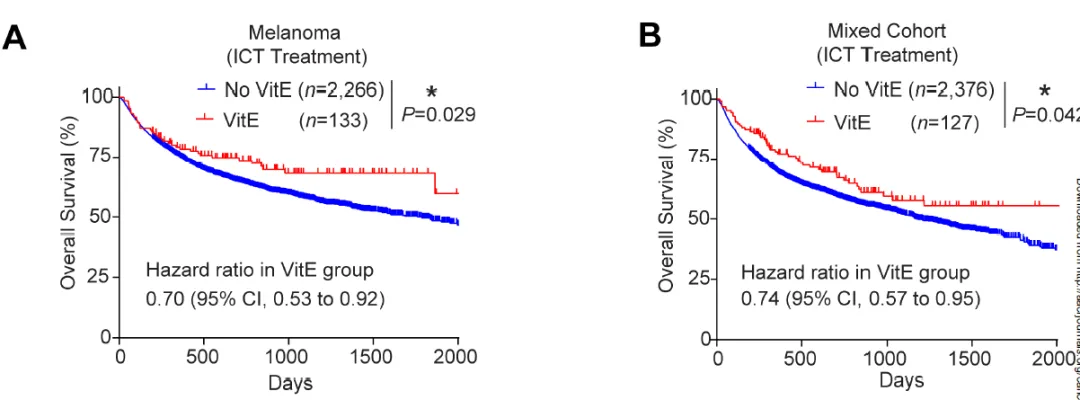
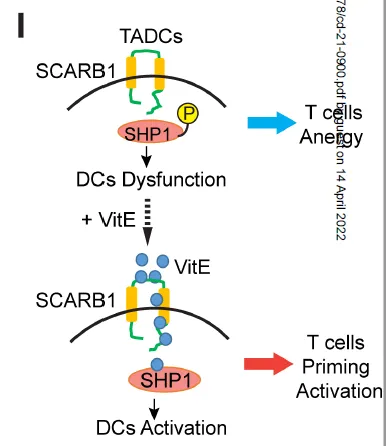
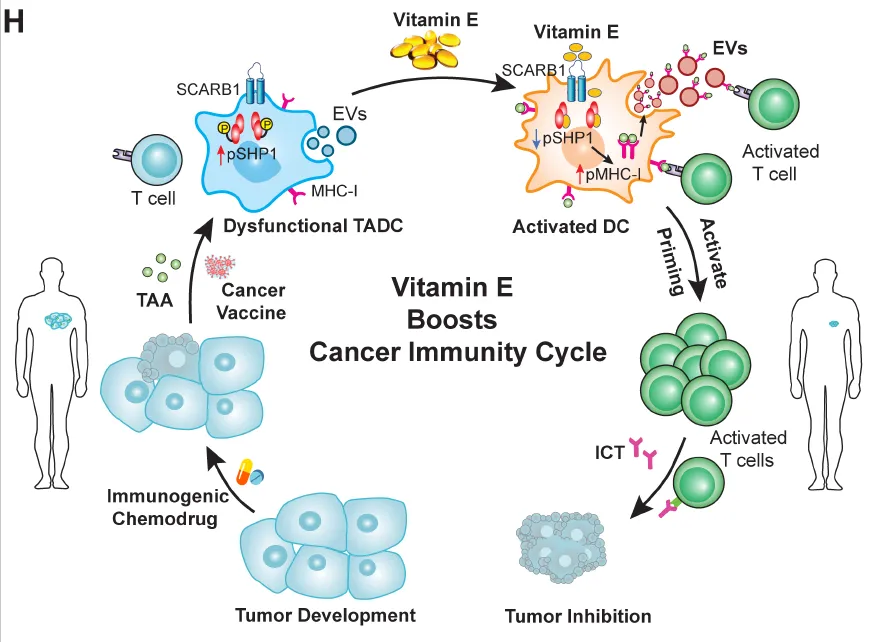
3. Enhance the activity of dendritic cells: Vitamin E blocks SHP1 in dendritic cells, enhances antigen presentation function, and promotes the anti-tumor immune response of T cells.
Relationship between SHP1 and tumors
SHP1 also plays an important role in tumorigenesis and chemotherapy resistance. Tumor cells reduce the expression level of SHP1 through various mechanisms (such as promoter methylation modification, abnormal RNA splicing, protein ubiquitination degradation, etc.), thereby promoting tumorigenesis. In addition, SHP1 also affects chemotherapy resistance. Studies have shown that PD-1, a stem cell marker of acute T-lymphocytic leukemia (T-ALL), activates SHP1, thereby promoting stem cell stemness and chemotherapy resistance.
SHP1 as a therapeutic target
SHP1 has great potential as a therapeutic target. Inhibition of SHP1 can activate the cell cycle of acute myeloid leukemia (AML), enhance chemotherapy sensitivity, and downregulate MYC, a key transcription factor for immune escape. In addition, the dual-targeting strategy of SHP1 and SHP2 is expected to simultaneously inhibit tumor and immune escape and enhance the anti-tumor therapeutic effect.
Interaction between vitamin E and SHP1
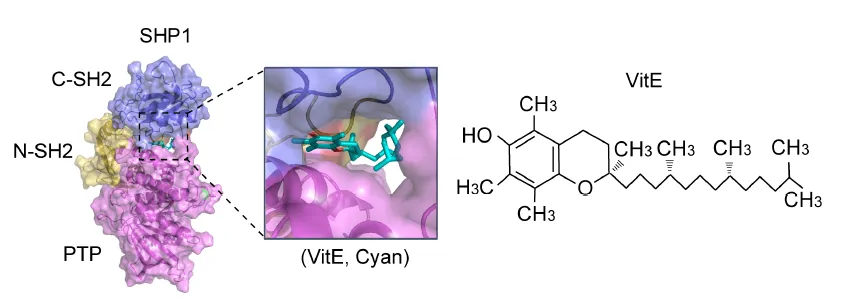
Vitamin E directly binds to and inhibits the immune checkpoint protein SHP1 in dendritic cells, enhancing the antigen presentation function of dendritic cells, thereby promoting the anti-tumor immune response of T cells. This interaction helps to improve the effect of immunotherapy.
Future Outlook
As an immune checkpoint protein, the role of SHP1 in tumor immunotherapy is gradually being revealed. Future research will focus on developing more specific SHP1 inhibitors to verify their ability to enhance chemotherapy and immunotherapy, so that more cancer patients can benefit.
This article is reviewed and published by the technical expert team of UA
Disclaimer: This article partially utilizes artificial intelligence assistance in its creation. If any content involves copyright or intellectual property issues, please let us know and we promise to verify and remove it as soon as possible.
Purchase recombinant protein, choose Nanjing UA-Bio
UA protein focuses on providing various protein reagents, raw materials, and services required for drug research and development, cell therapy, gene therapy, and basic scientific research, including drug target proteins, immune checkpoint proteins, cytokines, tool enzymes, customized protein expression, and full-length transmembrane protein development. Youai is committed to providing customers with high-quality products and professional services, and building a High-tech Biological Enterprise with International Competitiveness.







 Business license (three certificates in one)