




Full-length protein: from basic research to future applications


Protein is the core molecule of life activities, and the diversity of its structure and function determines the complexity and adaptability of organisms. The study of full-length protein not only helps us to deeply understand the biological function of protein, but also provides new ideas for disease diagnosis and treatment.
- Recent Advances
Full-length protein: from basic research to future applications
Protein is the core molecule of life activities, and the diversity of its structure and function determines the complexity and adaptability of organisms. The study of full-length protein not only helps us to deeply understand the biological function of protein, but also provides new ideas for disease diagnosis and treatment. This article will introduce the basic concepts, research methods, application prospects and future development directions of full-length protein.
Basic concepts of full-length protein
Full-length protein refers to the amino acid composition and arrangement order of a complete protein, the number of polypeptide chains, and the number and position of disulfide bonds, also known as the primary structure of protein. The primary structure of protein is important information and basis for qualitative identification of protein, and is also the basis of protein's advanced structure, which largely determines the biological function of protein. The amino acid sequence of protein not only determines its three-dimensional structure, but also affects its localization, stability and interaction with other molecules in the cell.
Research methods of full-length protein
Mass spectrometry technology: Mass spectrometry technology is one of the main methods for full-length protein sequencing. By breaking down the protein into short peptides, and then using a mass spectrometer to analyze the amino acid sequence of the peptides, and then splicing these sequences together, a complete protein sequence is formed. This method has significant advantages in high-throughput protein identification, but there are problems such as low sequence coverage and low accuracy.
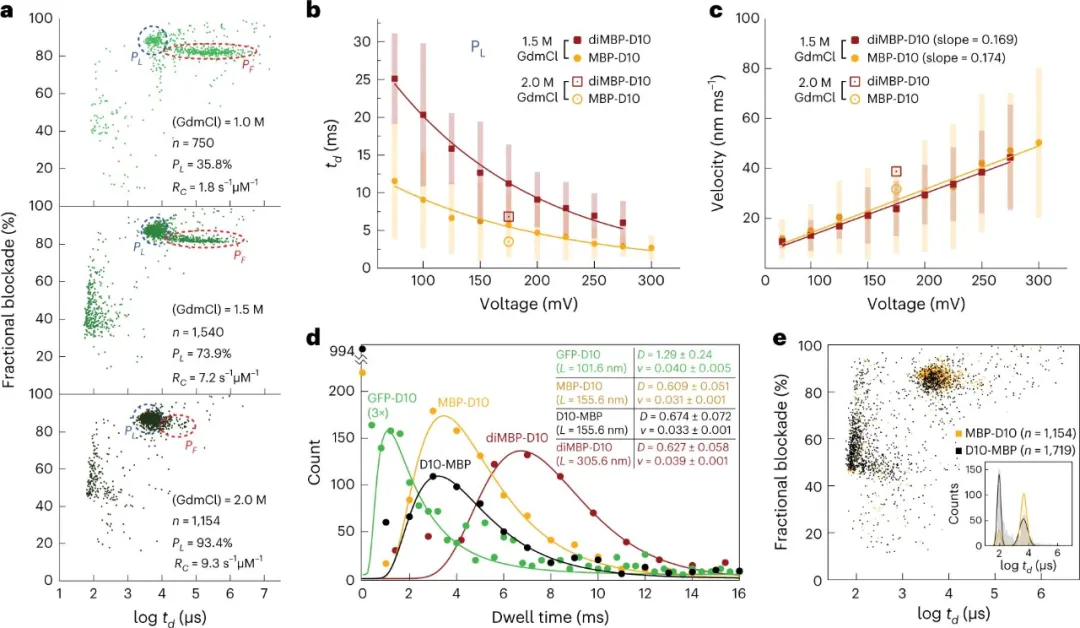
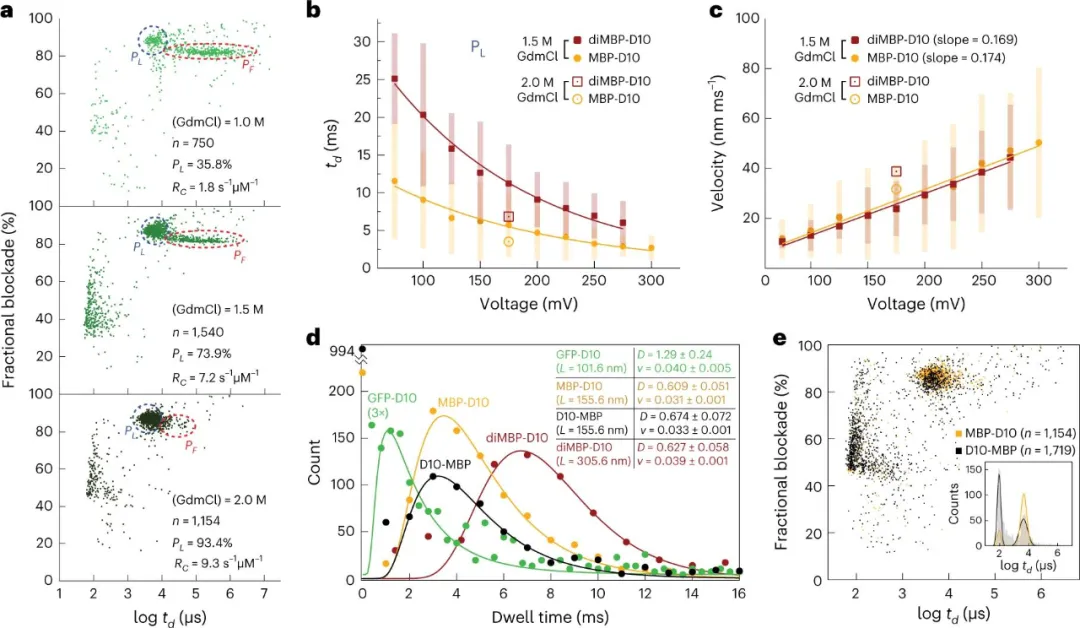
Nanopore technology: Nanopore technology is an emerging single-molecule detection method that analyzes the amino acid sequence of proteins by measuring the current changes caused by proteins passing through nanopores. This method has the advantages of no labeling, single-molecule detection, and high throughput, and can achieve direct sequencing of full-length proteins. For example, a research team at the University of Washington in the United States developed a combination of ClpX unfolding enzyme and CsgG nanopore to achieve unidirectional single transmission of full-length proteins.
Long-read sequencing technology: Long-read sequencing technology (such as PacBio or Oxford Nanopore) can provide complete transcript sequences, thereby predicting isomers of full-length proteins. This method combines transcriptomics and proteomics data to more accurately identify protein isomers.
Application prospects of full-length proteins
Disease diagnosis and treatment: The study of full-length proteins helps to reveal the molecular mechanisms of disease occurrence. For example, mutations or misfolding of proteins may lead to neurodegenerative diseases, cancer, etc. Through full-length protein sequencing, disease-related protein variants can be identified, providing a basis for the development of new diagnostic markers and therapeutic targets.
Drug development: The structural information of full-length proteins is crucial for drug design. Understanding the complete structure of proteins helps to design drugs that can specifically bind to target proteins and improve the efficacy and safety of drugs.
Synthetic biology: In synthetic biology, full-length protein sequencing can verify whether artificially designed proteins are expressed as expected and ensure that they have complete sequences and correct functions.
Future development direction
Technology integration and innovation: Future research will focus more on the integration of multiple technologies, such as combining mass spectrometry with nanopore technology to improve the accuracy and efficiency of protein sequencing.
Protein function prediction: With the in-depth understanding of protein folding mechanisms, it is expected that the function of proteins can be predicted by computational methods in the future, thereby accelerating the discovery of new drugs.
Personalized medicine: The study of full-length proteins will promote the development of personalized medicine. Through a comprehensive analysis of individual proteomes, more accurate treatment plans can be provided to patients.
The study of full-length proteins not only helps us to deeply understand the basic laws of life activities, but also provides new impetus for the development of medicine, biology and other fields. As technology continues to advance, research on full-length proteins will bring more possibilities for human health and disease treatment.
This article is reviewed and published by the technical expert team of UA
Disclaimer: This article partially utilizes artificial intelligence assistance in its creation. If any content involves copyright or intellectual property issues, please let us know and we promise to verify and remove it as soon as possible.
Purchase recombinant protein, choose Nanjing UA-Bio
UA protein focuses on providing various protein reagents, raw materials, and services required for drug research and development, cell therapy, gene therapy, and basic scientific research, including drug target proteins, immune checkpoint proteins, cytokines, tool enzymes, customized protein expression, and full-length transmembrane protein development. Youai is committed to providing customers with high-quality products and professional services, and building a High-tech Biological Enterprise with International Competitiveness.







 Business license (three certificates in one)