




Full-length high-precision protein sequencing: the "super key" to unlock the mysteries of life


In the microscopic world of life, proteins are one of the well-deserved "protagonists". They are like precision machine parts, undertaking almost all functions in organisms, from building cell structures to catalyzing biochemical reactions, from transmitting signals to resisting pathogen invasion. However, for a long time, the complete determination of the amino acid sequence of proteins, that is, full-length protein sequencing, has been a huge challenge facing the scientific community.
- Recent Advances
- Product Information
Full-length high-precision protein sequencing: the "super key" to unlock the mysteries of life
In the microscopic world of life, proteins are one of the well-deserved "protagonists". They are like precision machine parts, undertaking almost all functions in organisms, from building cell structures to catalyzing biochemical reactions, from transmitting signals to resisting pathogen invasion. However, for a long time, the complete determination of the amino acid sequence of proteins, that is, full-length protein sequencing, has been a huge challenge facing the scientific community. But now, this problem is being gradually overcome, and we are moving towards a new era of practical full-length high-precision protein sequencing.
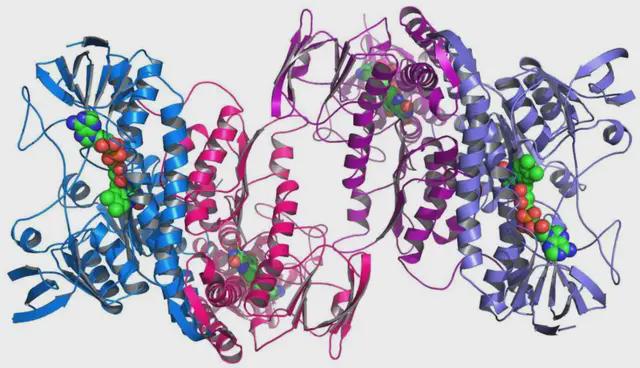
The difficult journey of protein sequencing
The history of protein sequencing can be traced back to 1967, when Edman and Beggs invented the Edman degradation method. Although this method was a huge breakthrough at the time, it could only determine 25 to 50 amino acids at the N-terminus of the peptide chain, which was just the "tip of the iceberg" for the complete protein sequence, and the cost was still very high, which greatly limited its practical application.
With the development of science and technology, protein mass spectrometry technology has gradually emerged and been applied to de novo protein sequencing. The principle of mass spectrometry is to first degrade proteins into short peptides with enzymes, then analyze these peptides with a mass spectrometer, identify the amino acid sequence of each peptide from the spectrum, and then splice the sequences of these peptides to form a complete protein sequence. However, this method is difficult in practice.
First, the splicing sequence requires a certain overlap between peptides, but the commonly used enzyme cleavage methods often cannot guarantee the overlap of peptides, which leads to difficulties in splicing. Secondly, the physical and chemical properties of different parts of the long protein chain vary greatly, and no enzyme cleavage scheme can take all parts into account. Finally, the error of the peptide de novo sequencing algorithm is large, and the recognition error rate of peptide sequences is as high as 30% to 50%, and the errors are mainly concentrated at the two ends of the peptides, which are the key parts for finding overlapping segments during splicing. These difficulties have made it difficult to improve the integrity and accuracy of full-length protein splicing for a long time.
Breakthrough MuCS scheme
Against this background, Zhang Gong's research group at Jinan University has successfully developed a highly robust and ultra-high-precision protein full-length de novo sequencing scheme, MuCS, after years of research and exploration. The inspiration for this scheme comes from the field of nucleic acid sequencing. In the development of nucleic acid sequencing, similar sequence assembly problems have been faced, and the contig-scaffolding strategy of genome assembly has successfully solved this problem. Zhang Gong's research group cleverly transplanted this strategy to protein sequencing, pioneering the use of a variety of non-specific proteases and chemical degradation methods to cut proteins, and mass spectrometry analysis and preliminary splicing were performed after each cut. Then, the preliminary splicing results of multiple cutting schemes were compared with each other to assemble a more complete protein sequence framework. Then, the sequence data of these results were used for mutual correction, and fine gap filling and error correction were performed.
The MuCS scheme showed amazing performance in the test. When testing three proteins with different structural characteristics, the researchers deliberately used extensive experimental methods, resulting in uneven quality of mass spectrometry data. But even so, MuCS can successfully splice the complete sequence every time, and the sequence coverage and accuracy can reach 99% to 100%, without any erroneous sequence insertion. In contrast, other protein sequencing algorithms such as pTA and ALPS are far inferior to MuCS in terms of sequence coverage, completeness and accuracy, and may even mistakenly insert a large number of non-existent sequences.
Even more exciting is that the MuCS scheme also performs well when facing difficult membrane proteins. Since it is difficult to obtain mass spectrometry data for the transmembrane segment of membrane proteins, other methods can hardly complete splicing, but MuCS can still achieve robust and accurate full-length splicing of other parts of membrane proteins. Moreover, although the MuCS scheme requires three degradations and mass spectrometry analysis, the total cost is not high, the operation process is simple, and most algorithms can be run automatically, which makes the MuCS scheme highly scalable.
Opening a new chapter in protein research
The emergence of highly robust, ultra-high precision, low-cost protein full-length high-precision sequencing schemes will undoubtedly have a profound impact on many fields of life sciences. First, in terms of drug quality control, by accurately determining the full-length sequence of drug target proteins, the mechanism of action and potential side effects of drugs can be more accurately evaluated, thereby improving the success rate and safety of drug research and development. In the field of antibody engineering, being able to fully determine the sequence of antibody proteins will help design more efficient and specific antibodies, providing a more powerful weapon for disease treatment.
In terms of disease diagnosis, full-length high-precision protein sequencing can be used to detect the variation and abnormal expression of disease-related proteins, providing an important basis for early diagnosis and precise treatment of diseases. For forensic identification, by determining the full-length sequence of proteins in biological samples, individual identities can be more accurately identified, providing key clues for case detection. In addition, in terms of protein reverse engineering cracking, the MuCS solution will also play an important role, helping scientists better understand the relationship between protein structure and function, and providing new ideas and methods for fields such as synthetic biology and bioengineering.
The breakthrough in protein full-length high-precision sequencing technology is like a "super key" that opens the door for us to deeply understand the mysteries of life. It will not only greatly promote the development of basic life science research, but also bring revolutionary changes to multiple application fields such as medicine, pharmacy, and forensic medicine. With the continuous promotion and improvement of this technology, we have reason to believe that in the future we will be able to interpret the code of life more accurately and make greater contributions to human health and well-being.
This article is reviewed and published by the technical expert team of UA
Disclaimer: This article partially utilizes artificial intelligence assistance in its creation. If any content involves copyright or intellectual property issues, please let us know and we promise to verify and remove it as soon as possible.
Purchase recombinant protein, choose Nanjing UA-Bio
UA protein focuses on providing various protein reagents, raw materials, and services required for drug research and development, cell therapy, gene therapy, and basic scientific research, including drug target proteins, immune checkpoint proteins, cytokines, tool enzymes, customized protein expression, and full-length transmembrane protein development. Youai is committed to providing customers with high-quality products and professional services, and building a High-tech Biological Enterprise with International Competitiveness.







 Business license (three certificates in one)