




Full-length membrane proteins: the "intelligent boundary" of cells and the key to life activities


Full-length membrane proteins are key members of this family. They run through the cell membrane completely, connecting the two completely different worlds inside and outside the cell, and are the core hub of cell life activities.
- Recent Advances
- Product Information
Full-length membrane proteins: the "intelligent boundary" of cells and the key to life activities
In the microscopic world of cells, there is a mysterious and important family - membrane proteins. They are embedded in the outer boundary of cells - the cell membrane, like a delicate "intelligent device", and undertake many vital functions such as cell communication with the outside world, material transport, and signal transmission. Full-length membrane proteins are key members of this family. They run through the cell membrane completely, connecting the two completely different worlds inside and outside the cell, and are the core hub of cell life activities.
The "cross-border" mission of membrane proteins
The cell membrane is the "wall" of the cell. It separates the complex biochemical reaction environment inside the cell from the external environment and maintains the stability inside the cell. However, cells do not exist in isolation. They need to exchange materials and communicate information with the outside world. This requires a special protein - membrane protein to complete this arduous task.
Full-length membrane proteins are the "cross-border elites" in the membrane protein family. Their structure is very unique, usually composed of multiple transmembrane regions, which are like "anchors" that firmly fix the protein in the cell membrane. At the same time, their two ends extend to the inside and outside of the cell, forming a "channel" across the cell membrane. This channel is not a simple hole, but a highly complex structure that can precisely control the entry and exit of substances.
"Transit station" for signal transmission
In addition to material transport, full-length membrane proteins also play a vital role in cell signal transmission. Cells need to constantly receive external signals, such as hormones, neurotransmitters, etc., and convert these signals into biochemical reactions in the cell, thereby regulating cell growth, differentiation, metabolism and other processes. Full-length membrane proteins are the "transit stations" for these signal transmissions.
Take G protein-coupled receptors as an example, which is a very important class of full-length membrane proteins. When hormones or neurotransmitters bind to G protein-coupled receptors, the structure of the receptor changes, and this change activates the G protein in the cell. G protein further activates a series of downstream signal pathways, ultimately leading to changes in gene expression in the cell, thereby regulating the function of the cell. This process is like a sophisticated signal amplifier that converts weak external signals into strong intracellular responses.
Association between diseases and full-length membrane proteins
Abnormal function of full-length membrane proteins often leads to serious diseases. Because they play such an important role in the life activities of cells, once their structure or function changes, the normal physiological function of cells will be disturbed, thus causing diseases.
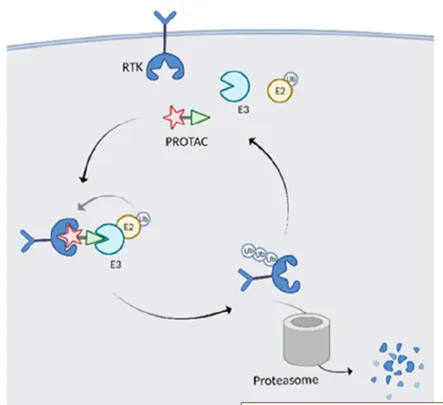
In addition, the occurrence of many cancers is also related to the abnormal function of full-length membrane proteins. Some full-length membrane proteins play a key role in the signal transmission of cell growth and division. When these proteins mutate or are overexpressed, they will continuously activate the growth signal pathway in the cell, leading to abnormal cell proliferation and eventually forming tumors. For example, epidermal growth factor receptor (EGFR) is a full-length membrane protein. In many cancers, the mutation or overexpression of EGFR is one of the key factors in the occurrence and development of tumors. Therefore, full-length membrane proteins are not only the key to the normal physiological function of cells, but also an important target for the occurrence of many diseases.
Challenges and breakthroughs in research
Although full-length membrane proteins play such an important role in life activities, their research faces huge challenges. First, the structure of full-length membrane proteins is very complex. They are embedded in the cell membrane and are difficult to separate and purify. Second, their functions are regulated by many factors, including the environment inside and outside the cell, interactions with other proteins, etc., which makes it very difficult to study their functions in vitro.
However, with the continuous advancement of science and technology, scientists have made a series of breakthroughs in the study of full-length membrane proteins. For example, the development of X-ray crystallography and cryo-electron microscopy technology has enabled scientists to analyze the high-resolution structure of full-length membrane proteins, thereby gaining a deeper understanding of their functional mechanisms. At the same time, the progress of gene editing technology and protein engineering has also provided new means for studying the function and regulation of full-length membrane proteins.
Future Outlook
As the "intelligent boundary" of cells, full-length membrane proteins play an indispensable role in life activities. From material transport to signal transmission, from normal physiological functions to disease occurrence, full-length membrane proteins play a key role. Although their research faces many challenges, with the continuous advancement of science and technology, our understanding of full-length membrane proteins will become more and more in-depth.
In short, full-length membrane proteins are the core of cellular life activities. Their research is not only of great significance to basic life sciences, but will also have a profound impact on medicine, pharmacy and other fields. With the continuous deepening of research, we have reason to believe that full-length membrane proteins will become an important breakthrough in future life science research and disease treatment.
This article is reviewed and published by the technical expert team of UA
Disclaimer: This article partially utilizes artificial intelligence assistance in its creation. If any content involves copyright or intellectual property issues, please let us know and we promise to verify and remove it as soon as possible.
Purchase recombinant protein, choose Nanjing UA-Bio
UA protein focuses on providing various protein reagents, raw materials, and services required for drug research and development, cell therapy, gene therapy, and basic scientific research, including drug target proteins, immune checkpoint proteins, cytokines, tool enzymes, customized protein expression, and full-length transmembrane protein development. Youai is committed to providing customers with high-quality products and professional services, and building a High-tech Biological Enterprise with International Competitiveness.







 Business license (three certificates in one)