




Fibronectin: "Biological glue" and health guardian in the human body


In the microscopic world of the human body, there is a magical protein - Fibronectin (Fn). Although it is not as well-known as red blood cells and white blood cells, it plays an extremely important role in maintaining human health.
- Recent Advances
- Product Information
Fibronectin: "Biological glue" and health guardian in the human body
In the microscopic world of the human body, there is a magical protein - Fibronectin (Fn). Although it is not as well-known as red blood cells and white blood cells, it plays an extremely important role in maintaining human health. Fibronectin is widely present in plasma, body fluids and tissues. It is a macromolecular glycoprotein with a monomer molecular weight of 220-250KD and a dimer molecular weight of about 450KD. It not only plays a key role in normal physiological processes, but is also closely related to the diagnosis and treatment of various diseases.
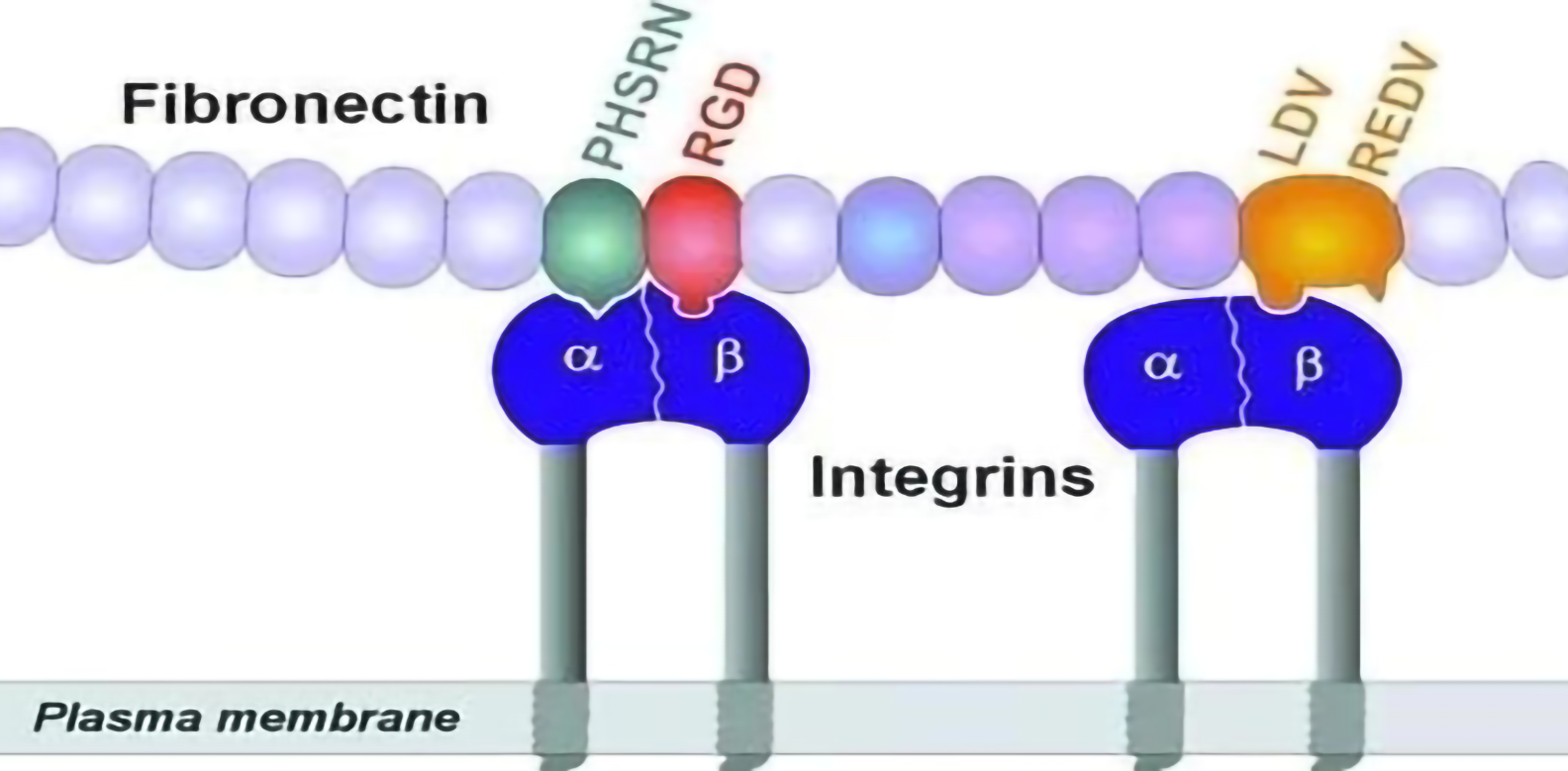
Fibronectin family members
There are three main types of fibronectin. The first is plasma fibronectin (PFn) synthesized by hepatocytes or endothelial cells, which exists in plasma and body fluids in a soluble dimer state. The second is cellular fibronectin (CFn), which is synthesized by fibroblasts, astrocytes, early mesenchymal cells and other cells, and deposited in the form of dimers or polymers on the cell surface, extracellular matrix, intercellular space, basement membrane and connective tissue. The first two fibronectins are similar in molecular structure and function, and can be converted into each other. The third is fetal fibronectin (FFn), which is mainly synthesized by embryonic tissue, placental tissue, malignant cells, etc. Its structure is slightly different from the first two, and is produced by overexpression of gene sequences EDA and EDB.
Structure and diversity of fibronectin
The structure of fibronectin is complex and exquisite. At present, scientists have identified at least 20 fibronectin polypeptides. These different subunits are actually encoded by the same gene, but there are differences in the splicing process of post-transcriptional RNA, which produces different mRNAs and then translates proteins with different functions. Each subunit of fibronectin is composed of multiple domains, which give fibronectin a high affinity binding ability to cell surface receptors, collagen, fibrin and sulfated proteoglycans, enabling it to participate in a variety of biological processes.
Biological functions of fibronectin
The functions of fibronectin are very extensive and complex. First, it plays an important role in cell adhesion, migration and chemotaxis. Cells need to interact with the surrounding environment through fibronectin to properly locate and move in the body. For example, in the process of tissue repair and wound healing, fibronectin provides a "scaffold" for cells to help them reach the damaged site and repair it. Secondly, fibronectin has a strong effect on promoting the phagocytic function of mononuclear macrophages. It can enhance the ability of the immune system to clear pathogens and immune complexes, thus playing an important role in anti-infection. In addition, fibronectin is also involved in the genetic transformation process of tumors. Although this function is not common under normal physiological conditions, it may affect the occurrence and development of tumors under pathological conditions.
Fibronectin also plays a key role in blood coagulation and thrombosis. It exists in the α granules of platelets. When blood vessels are damaged, fibronectin is released, promoting platelet adhesion to the damaged site and accelerating the coagulation process. In the final stage of coagulation, fibronectin and fibrin are firmly bound by covalent bonds to form a stable blood clot. At the same time, fibronectin also participates in the coagulation process through coagulation factor Ⅻ, regulates the dynamic balance of coagulation and fibrinolysis, and prevents excessive formation of thrombus.
Plant-derived recombinant human fibronectin: new research and application directions
In recent years, with the development of biotechnology, scientists have used genetic recombination technology to specifically and efficiently express plant-derived recombinant human fibronectin (Recombinant Human Fibronectin, OsrFn) from rice endosperm cells. This recombinant fibronectin retains the complete functional domain of natural human plasma fibronectin PFn, with a monomer molecular weight of about 210KD, high purity (SDS-PAGE purity> 95%), and low endotoxin content (less than 0.5EU/ug). This provides new possibilities for the research and application of fibronectin. Plant-derived recombinant human fibronectin OsrFn can enhance cell-to-cell and cell-matrix adhesion, regulate cell shape and cytoskeleton organization through cell signal transduction pathways, promote cell adhesion, growth, proliferation and differentiation, and promote cell spreading, migration and movement. This makes it have broad application prospects in the fields of tissue engineering, regenerative medicine and drug development.
Future Outlook
In short, fibronectin, as the "biological glue" in the human body, plays an indispensable role in maintaining tissue structure, regulating immune response, promoting wound healing and participating in blood coagulation and other physiological processes. It is not only an important guarantee for the normal operation of our body, but also provides new ideas and tools for the diagnosis and treatment of diseases. In the future, with the continuous advancement of science and technology, the mystery of fibronectin will be further unveiled, bringing more breakthroughs to medical research and clinical applications.
This article is reviewed and published by the technical expert team of UA
Disclaimer: This article partially utilizes artificial intelligence assistance in its creation. If any content involves copyright or intellectual property issues, please let us know and we promise to verify and remove it as soon as possible.
Purchase recombinant protein, choose Nanjing UA-Bio
UA protein focuses on providing various protein reagents, raw materials, and services required for drug research and development, cell therapy, gene therapy, and basic scientific research, including drug target proteins, immune checkpoint proteins, cytokines, tool enzymes, customized protein expression, and full-length transmembrane protein development. Youai is committed to providing customers with high-quality products and professional services, and building a High-tech Biological Enterprise with International Competitiveness.







 Business license (three certificates in one)