




Epithelial cell mitotic proteins: the "commanders" of cell division


Epithelial cell mitotic proteins are a class of proteins that play a key role in the mitosis of epithelial cells. They are involved in regulating the progress of the cell cycle, ensuring that cells can accurately replicate their genetic material and distribute it equally to two new cells.
- Recent Advances
- Product Information
Epithelial cell mitotic proteins: the "commanders" of cell division
In the microscopic world of the human body, cell division is a magical and complex process. As a type of cell with a large number and diverse functions in the human body, epithelial cells are essential for maintaining the normal function and repair of tissues. In this process, there is a key class of proteins - epithelial cell mitotic proteins, which are like the "commanders" of cell division and precisely regulate the cell division process.
What are epithelial cell mitotic proteins?
Epithelial cell mitotic proteins are a class of proteins that play a key role in the mitosis of epithelial cells. They are involved in regulating the progress of the cell cycle, ensuring that cells can accurately replicate their genetic material and distribute it equally to two new cells. These proteins play different functions at different stages of cell division, from starting the cell cycle to the final completion of cell division, each step is inseparable from their precise regulation.
The "clock" of the cell cycle
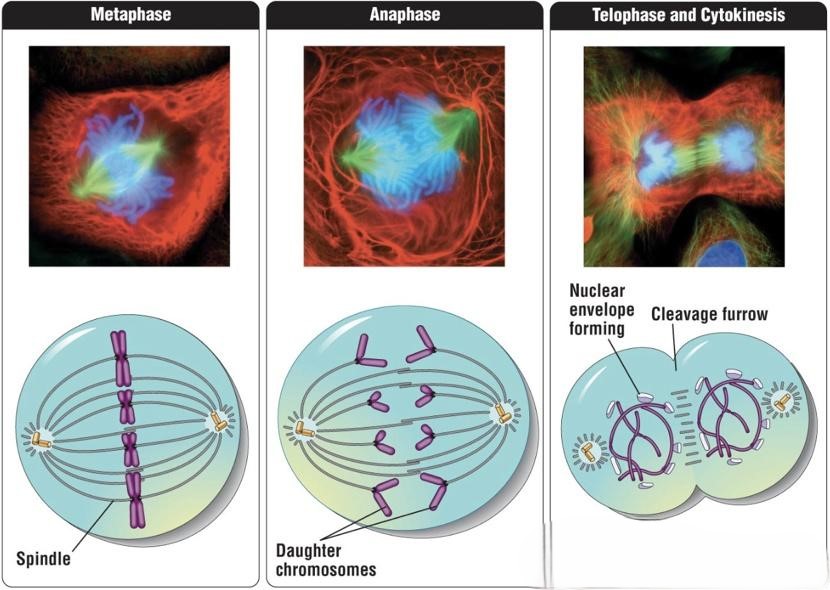
The cell cycle is an orderly process divided into several main phases: G1 phase, S phase, G2 phase and M phase. G1 phase is the phase when cells grow and prepare to replicate DNA; S phase is the phase when DNA is replicated; G2 phase is the phase when cells continue to grow and prepare to enter mitosis; M phase is the phase of mitosis, when the chromosomes of the cell are equally divided into two new cells. Epithelial cell mitotic proteins play a vital role in these phases. They are like a "clock" for the cell cycle, ensuring that each phase proceeds on time and accurately.
Key regulatory proteins
There are several key regulatory proteins in the process of epithelial cell mitosis:
1. Cyclin-dependent kinases (CDKs): These enzymes are activated after binding to cyclins and promote the progress of the cell cycle. For example, CDK2 plays a key role in the initiation of the S phase, while CDK1 plays an important role in the initiation of the M phase.
2. Cyclins: The levels of these proteins change periodically during the cell cycle. They bind to CDKs and regulate the activity of CDKs. For example, cyclin A plays a role in DNA replication during the S phase, while cyclin B plays a role in mitosis during the M phase.
3. Tumor protein p53: This is an important tumor suppressor protein that acts as a "brake" in the regulation of the cell cycle. When the cell's DNA is damaged, p53 is activated, stopping the progression of the cell cycle and giving the cell time to repair the DNA. If the DNA damage cannot be repaired, p53 initiates the cell apoptosis program to prevent the cell from becoming cancerous.
4. Tubulins: These proteins are the main components of microtubules, which form the spindle during mitosis and are responsible for the separation of chromosomes. The polymerization and depolymerization of tubulins are strictly regulated to ensure the correct assembly and function of the spindle.
"Commander" of cell division
Epithelial cell mitotic proteins precisely regulate each stage of the cell cycle through a complex network of interactions and signaling. They are like a sophisticated "command system" that ensures that cells divide at the right time and the division process is accurate. The activity of these proteins is regulated by a variety of factors, including intracellular signaling pathways, extracellular growth factors and hormones, etc.
When the functions of these regulatory proteins are abnormal, the progression of the cell cycle may be out of control, leading to excessive cell proliferation or insufficient cell apoptosis, thus causing disease. For example, the occurrence of certain cancers is associated with mutations or abnormal expression of cell cycle regulatory proteins. Therefore, studying the function and regulatory mechanism of epithelial cell mitotic proteins is of great significance for understanding the normal physiological processes of cells and the pathogenesis of diseases.
Clinical significance and future prospects
Due to the key role of epithelial cell mitotic proteins in cell cycle regulation, they have become an important target for cancer treatment. By inhibiting the activity of these proteins, the proliferation of cancer cells can be prevented, thereby achieving the purpose of treating cancer. At present, some drugs targeting cell cycle regulatory proteins have shown good results in clinical trials.
In addition, the study of epithelial cell mitotic proteins can also help develop new diagnostic tools. For example, by detecting the expression levels of these proteins, abnormalities in the cell cycle can be detected early, thereby achieving early diagnosis of cancer.
In short, epithelial cell mitotic proteins are the "commanders" in the process of cell division. They ensure that cells can divide normally through precise regulation. With a deeper understanding of the functions and regulatory mechanisms of these proteins, their application prospects in cancer treatment and diagnosis will be broader. In the future, with the continuous advancement of technology, we are expected to develop more new drugs targeting cell cycle regulatory proteins, bringing new hope to cancer patients.
This article is reviewed and published by the technical expert team of UA
Disclaimer: This article partially utilizes artificial intelligence assistance in its creation. If any content involves copyright or intellectual property issues, please let us know and we promise to verify and remove it as soon as possible.
Purchase recombinant protein, choose Nanjing UA-Bio
UA protein focuses on providing various protein reagents, raw materials, and services required for drug research and development, cell therapy, gene therapy, and basic scientific research, including drug target proteins, immune checkpoint proteins, cytokines, tool enzymes, customized protein expression, and full-length transmembrane protein development. Youai is committed to providing customers with high-quality products and professional services, and building a High-tech Biological Enterprise with International Competitiveness.







 Business license (three certificates in one)